
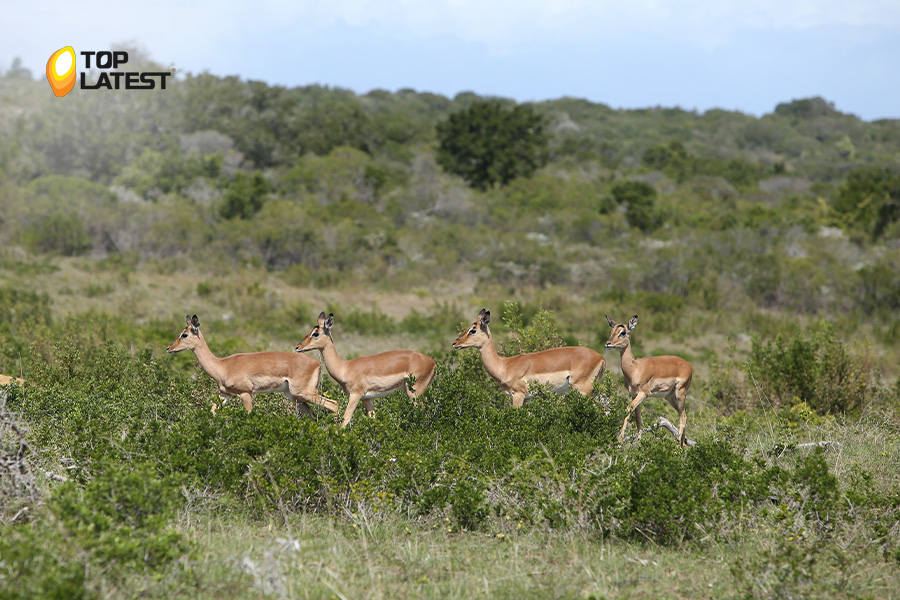
Picture a giraffe crossing a sandy track at sunrise while an Arabian oryx watches from the dunes, all within a few hours of Abu Dhabi city. That is the everyday rhythm of Sir Bani Yas Island, the largest natural island in the UAE and one of the country’s most rewarding nature escapes. Set off the coast of Al Dhafra in western Abu Dhabi, the island brings together free-roaming wildlife, quiet beaches, and centuries of heritage in one easy weekend.
This guide covers everything you need to plan a Sir Bani Yas Island trip with confidence: how to get there, what a wildlife safari actually involves, how each of the three island resorts feels, and the practical details that keep the journey smooth from jetty to villa.
Sir Bani Yas Island at a Glance
Sir Bani Yas is one of eight Desert Islands in the Al Dhafra region. Its story as a sanctuary began in 1971, when the late Sheikh Zayed bin Sultan Al Nahyan set it aside as a nature reserve and launched a greening programme that turned an arid landscape into grassland, woodland, and mangrove. Decades of planting and careful breeding have made it one of the most important conservation sites in the country.
Today, the Arabian Wildlife Park covers more than half of the island. According to the Department of Culture and Tourism Abu Dhabi’s official guide to Sir Bani Yas Island, the reserve is home to more than 17,000 free-roaming animals, including Arabian oryx, gazelles, giraffes, hyenas, and cheetahs. The island was also named the World’s Leading Sustainable Tourism Destination at the 2014 World Travel Awards, recognition of how carefully tourism and conservation are balanced here.
What makes the island distinctive is the combination. Few places in the UAE let you watch wildlife in the morning, snorkel in the afternoon, and walk through a 1,400-year-old archaeological site before dinner.
Getting to Sir Bani Yas Island From Abu Dhabi and Dubai
Reaching the island is part of the adventure, and the journey is simpler than many first-time visitors expect.
By Road to the Jebel Dhanna Jetty
The island boats leave from the Jebel Dhanna jetty in Al Dhafra. From Abu Dhabi city, follow the E11 west past Al Ruwais and take the exit signposted for Sir Bani Yas Island. The drive from downtown Abu Dhabi usually takes around two to three hours depending on your starting point and stops, while residents driving from Dubai can plan for roughly four hours. Shaded parking is available at the jetty, and the resorts also arrange chauffeured transfers from Abu Dhabi and Dubai for guests who prefer not to drive.
The Water Taxi Crossing
Resort guests cross on a complimentary water taxi. The crossing takes around 30 minutes, with a set number of scheduled departures each day, so it helps to plan your drive around the timetable rather than arriving early and waiting. Each guest can usually bring one main piece of luggage of up to 30 kg plus hand luggage, which suits the island’s relaxed, pack-light style.
Wildlife Safaris in the Arabian Wildlife Park
The safari is the heart of any Sir Bani Yas Island visit, and it is the experience most guests talk about long after they leave.
Nature and Wildlife Drives
The most popular way to explore the park is a guided nature and wildlife drive in an open 4×4 vehicle led by an experienced ranger. Guides know where herds tend to gather, how to approach quietly, and how to read animal behaviour, so you learn as much as you see. Drives run on set schedules, and many guests book both a morning and an evening drive because the park changes character with the light.
For a more active perspective, guided mountain biking routes, nature walks, and horse riding from the Sir Bani Yas Stables offer slower, more personal ways to take in the landscape.
Wildlife You Are Likely to See
Sightings vary by season and time of day, but certain species appear regularly:
- Arabian oryx: once extinct in the wild, now thriving here in healthy herds and a symbol of the island’s conservation success.
- Gazelles: sand gazelles and Arabian mountain gazelles graze across the open plains.
- Giraffes: among the most photographed residents, often browsing acacia trees close to the tracks.
- Cheetahs and striped hyenas: predators that bring a genuine safari feel, usually spotted with a ranger’s help.
- Ostriches, urial sheep, and blackbuck: frequently seen around the grasslands and rocky wadis.
- Birdlife: herons, ospreys, and seasonal flamingos around the coast and mangroves.
Timing Your Safari for the Best Sightings
Early morning and late afternoon are the most rewarding windows. Animals are more active in the cooler hours, and the low sun creates warm, cinematic light for photographs. A full safari experience generally needs around three hours, so building it into your morning leaves the rest of the day free for the beach.
Island Stays: Finding the Right Base
All accommodation on the island is operated by Anantara, and each of the three resorts has its own personality. Your choice shapes how the island feels, so it helps to match the stay to your travel style.
Desert Islands Resort and Spa by Anantara
The island’s original resort, which opened in 2008, is the most established and family-friendly option. It offers hotel rooms and villas, several restaurants, a spa, a large pool facing the sea, and easy access to the activity centre. Families and first-time visitors often find it the most convenient base for a weekend of safaris and water sports.
Anantara Al Sahel Villa Resort
Set inside the Arabian Wildlife Park itself, Al Sahel brings the safari to your doorstep. Its 30 pool villas open onto savannah, where gazelles and giraffes may wander past your terrace. The resort leans fully into its setting with safari-inspired interiors and a grill-led dining concept, making it a natural fit for guests who want wildlife at the centre of the stay.
Anantara Al Yamm Villa Resort
On the island’s quieter eastern shore, Al Yamm offers 30 beachfront pool villas with mangrove or sea views. It is designed around couples and a slower pace, with calm beaches, mangrove kayaking, and a spa. Age guidelines for younger children have applied here in the past, so it is worth confirming the current policy directly with the resort before booking a family trip.
More Ways to Experience Sir Bani Yas Island
Beyond the safari, the island rewards curiosity at every turn.
Outdoor and Water Activities
Kayaking, snorkelling, paddleboarding, archery, and guided hiking give active travellers plenty of variety. Kayaking through the mangroves at high tide is especially peaceful and often brings close views of herons and crabs.
The Church and Monastery of Sir Bani Yas
One of the UAE’s most significant heritage sites sits quietly on the island. The Church and Monastery date to the seventh and eighth centuries CE and form the first Christian site discovered in the country. The site was first uncovered in 1992 by the Abu Dhabi Islands Archaeological Survey, and it reopened to visitors in 2019 after conservation work that added a protective shelter, walkways, and information panels.
Research continues to add to the story. As the Abu Dhabi Media Office reported on DCT Abu Dhabi’s latest excavation, a fieldwork campaign launched in January 2025 uncovered a Christian cross moulded on a plaster plaque, believed to have been used by monks for contemplation. Further excavation of nearby courtyard houses is planned, with the potential to form a wider heritage trail across the island. A visit here adds a meaningful cultural layer to a nature trip and reflects the UAE’s long history of coexistence.
Planning a Smooth Sir Bani Yas Island Trip
Best Time to Visit
The cooler months between October and April offer the most comfortable conditions for safaris, hiking, and beach time. Summer visits remain very doable, with activities scheduled around early mornings and evenings, and resorts often run seasonal offers during this period.
How Long to Stay
Two nights is a comfortable minimum. It allows for a morning and an evening safari, time on the water, and a visit to the monastery without feeling rushed. Three nights suits families and anyone who wants to split the stay between two resorts, for example a beach base followed by a savannah villa.
What to Keep in Mind
- Island rules protect the wildlife: drones are not permitted, and vehicles follow strict speed limits inside the reserve.
- Safaris and activities fill quickly during peak season and public holidays, so booking ahead keeps your plans flexible.
- Rates and activity prices change by season, and many packages bundle meals, transfers, or experiences, so check current offers directly with the resort.
- Light, breathable clothing, closed shoes for walks, sun protection, and binoculars all make the experience more comfortable and rewarding.
Who Sir Bani Yas Island Suits Best
The island works beautifully for UAE families looking for an educational weekend that feels far from the city, couples seeking a private villa escape, photographers chasing wildlife and golden-hour light, and new residents who want to see a different side of Abu Dhabi. It also pairs naturally with other Al Dhafra adventures. If you enjoy road trips west of the capital, our first timer’s guide to Liwa Desert covers dunes, camps, and cultural stops in the same region.
For residents building a wider UAE nature calendar, Sir Bani Yas sits comfortably alongside mountain escapes such as Ras Al Khaimah’s zip lines, via ferrata, and mountain trails, and quiet coastal weekends on Fujairah’s hidden beaches. Together, they show how much natural variety the Emirates offer within a long weekend’s reach.
Final Thoughts
Sir Bani Yas Island offers something rare: a genuine safari, a private island stay, and a window into ancient history, all within the UAE. It reflects decades of conservation vision and shows how thoughtful tourism can support wildlife rather than compete with it. Whether you choose a family resort, a savannah retreat, or a beachfront villa, the island rewards slow travel and early mornings. If responsible travel matters to you, our guide to sustainable living in the UAE shares practical ways to carry that mindset home. Explore more travel and lifestyle guides on toplatest.ae to plan your next escape.
Top 5 Sources
- Department of Culture and Tourism Abu Dhabi, Visit Abu Dhabi official destination guide to Sir Bani Yas Island
- Abu Dhabi Government Media Office, announcement of the ancient cross discovery at the Sir Bani Yas monastery site
- Emirates News Agency (WAM), report on the inauguration of the Sir Bani Yas Church and Monastery
- Anantara Hotels, Resorts and Spas, official resort information for Desert Islands Resort and Spa, Al Sahel Villa Resort, and Al Yamm Villa Resort
- World Travel Awards, 2014 World’s Leading Sustainable Tourism Destination award
Frequently Asked Questions
Sir Bani Yas Island lies off the coast of the Al Dhafra region in western Abu Dhabi. Visitors drive along the E11 to the Jebel Dhanna jetty, roughly two to three hours from Abu Dhabi city and about four hours from Dubai, then board a complimentary water taxi for resort guests. The crossing takes around 30 minutes and runs on a fixed daily timetable, so planning your drive around departure times keeps the journey relaxed.
The Arabian Wildlife Park on Sir Bani Yas Island is home to more than 17,000 free-roaming animals, according to the Department of Culture and Tourism Abu Dhabi. Residents include Arabian oryx, sand and mountain gazelles, giraffes, cheetahs, striped hyenas, ostriches, and urial sheep. The park covers more than half of the island and was established in 1971 by Sheikh Zayed bin Sultan Al Nahyan as a sanctuary for indigenous and endangered wildlife across the region.
A typical wildlife safari on Sir Bani Yas Island is a guided drive through the Arabian Wildlife Park in an open 4×4 vehicle with an experienced ranger. Guides track herds, explain animal behaviour, and stop for close, quiet sightings of oryx, giraffes, gazelles, and predators such as cheetahs. Early morning and late afternoon drives offer the best activity and light. Guests can also explore the park on mountain bikes, on foot, or on horseback.
The best time to visit Sir Bani Yas Island is between October and April, when cooler temperatures make safaris, hiking, kayaking, and beach time especially comfortable. Wildlife is active throughout the day during these months. Summer visits are still enjoyable, with safaris and outdoor activities scheduled around early mornings and evenings. Resorts frequently introduce seasonal packages in the warmer months, which can make summer an appealing option for UAE residents planning a staycation.
The Sir Bani Yas Church and Monastery is the first Christian site discovered in the UAE, dating to the seventh and eighth centuries CE. Archaeologists first uncovered it in 1992, and it reopened to visitors in 2019 under a protective shelter with walkways and information panels. A 2025 excavation by the Department of Culture and Tourism Abu Dhabi revealed a plaster cross, adding fresh insight into the monastic community that once lived on the island.