The first cool evening of the season changes how the UAE spends its weekends. Cars leave the city loaded with tents, firewood and folding chairs, and by Friday night the dunes beyond Dubai, the wadis of Hatta and the mountain plateaus of Ras Al Khaimah glow with small campfires. Camping in the UAE is one of the most rewarding ways to enjoy the country between November and April, and it is far more accessible than most newcomers expect.
What takes a little planning is knowing where you can pitch a tent, which emirates ask for a permit, and how cold a desert night really gets. This guide brings those pieces together so your first trip feels organised, comfortable and fully within the rules, whether you are a new resident, a family looking for a weekend reset, or a long-time expat finally trading the mall for the dunes.
Why Winter Is Camping Season in the UAE
The UAE’s camping calendar follows the weather. According to the National Centre of Meteorology’s winter season outlook, average winter highs sit between 24°C and 27°C, average lows fall to 14°C to 16°C, and some inland and mountain areas can drop below freezing. That combination of warm days and crisp nights is exactly what makes sleeping outdoors so appealing.
The number on the forecast is only half the story. Sand releases heat quickly after sunset, so a pleasant 25°C afternoon in the desert can become a cool night within a few hours, and a steady breeze makes it feel colder still. Mountain areas such as Jebel Jais and the higher ground around Hatta cool even further. Coastal sites stay milder but feel damper because of humidity.
The practical takeaway is simple: plan for the overnight low, not the afternoon high. That one habit does more to improve a first camping trip than any piece of expensive equipment.
How Camping Permits Work in the UAE
Camping across the emirates falls into three broad formats, and each one carries different expectations.
- Open desert weekend camping: pitching your own tent for a night or two in recognised recreation areas, most commonly in Dubai.
- Managed campsites: bookable pitches run by an operator, with facilities, security and clear rules.
- Seasonal municipal camp plots: long-stay plots allocated for three to six months, mostly reserved for UAE nationals.
Each emirate sets its own framework, and details are refreshed every season. Treat the points below as a starting map, and confirm current terms with the relevant municipality before you travel.
Dubai
Short weekend camping in open desert recreation areas, such as the Al Marmoom desert around Al Qudra, is a long-established Dubai tradition, and Dubai Municipality does not publish a single-night tent permit for it. The municipality’s formal permit system is designed for seasonal camps. For the current season, Dubai Municipality’s 2026 to 2027 winter camping announcement confirms that Al Ruwayyah will host 600 camps from 1 November 2026 to 30 April 2027, an increase of roughly 120% on previous seasons. Plots are booked by UAE nationals through the winter camp portal or the DubaiNow app, with new options for caravans and daily rental camps, plus dedicated spaces for family events and seasonal markets.
Abu Dhabi
Abu Dhabi takes a more structured approach. The Department of Municipalities and Transport requires a prior municipal licence to camp or hold gatherings in a public place, with fines starting at AED 10,000. Protected areas fall under the Environment Agency Abu Dhabi and need its permission. For most beginners, this makes managed sites and licensed desert camps the simplest and most enjoyable route in the capital.
The Northern Emirates
Umm Al Quwain Municipality runs a seasonal permit scheme for Emirati families in the Aqran and Thunaiyah areas, with stays of three to six months, a permit fee and a refundable security deposit. Sharjah, Ras Al Khaimah and Fujairah do not publish a comparable seasonal scheme, and their municipalities can fine campers for using unauthorised areas. Checking with the local municipality, or choosing a site listed by the emirate’s tourism authority, keeps your trip straightforward.
Popular Permitted Camping Sites Across the UAE
The sites below are ordered by popularity and ease of access for first-time campers.
Al Qudra and the Al Marmoom Desert, Dubai
Al Qudra is the UAE’s best-known beginner camping area, around 45 minutes from central Dubai on a paved road. It sits within the Al Marmoom Desert Conservation Reserve, so you get soft dunes, wildlife, and dark skies without serious off-road driving. Lakeside areas carry signage restricting camping and open fires, so campers set up in the wider desert away from the water. Weekends between December and February are busy, which many first-timers find reassuring.
Hatta Camp Site, Dubai
For a fully managed experience, the Hatta Camp Site run by Dubai Holding offers 18 numbered pitches in the Hajar Mountains. Each pitch includes parking, a fire pit and a barbecue station, with washrooms, showers, 24-hour security and food trucks at the nearby Hatta Wadi Hub. You bring your own tent. Hatta operates seasonally through the cooler months, and pitches fill quickly on long weekends, so booking early pays off.
Jebel Hafeet Desert Park, Al Ain
Abu Dhabi’s go-to option for families, Jebel Hafeet Desert Park offers a public campsite at the foot of the mountain, alongside hiking, cycling and heritage trails. It suits campers who want official facilities and a quieter, more cultural setting than Dubai’s busier weekend spots.
Liwa and the Al Dhafra Desert, Abu Dhabi
Liwa’s towering red dunes on the edge of the Empty Quarter deliver the most dramatic desert scenery in the country. Given Abu Dhabi’s licensing rules, most first-timers stay at licensed desert camps, which handle permissions and logistics. Our first timer’s guide to Liwa Desert covers its dunes, camps and cultural stops in detail.
Ras Al Khaimah’s Mountain Wadis
Wadi Shawka and the foothills of Jebel Jais attract campers who prefer rock, cooler air and sunrise hikes. Nights here are noticeably colder than in the desert, so layer up. If you want to pair your trip with daytime activity, explore Ras Al Khaimah for adventure seekers, from zip lines to via ferrata routes.
Fujairah’s East Coast Beaches
Fujairah offers something the desert cannot: falling asleep to the sound of waves with the mountains behind you. Stick to the camping destinations listed by Fujairah’s tourism authority, and see our guide to hidden beaches in Fujairah worth the weekend drive for inspiration.
Essential Camping Gear for UAE Winter Nights
UAE camping gear has one unusual requirement: it needs to handle fine sand by day and real cold by night.
Shelter and Sleep
Choose a tent with sand pegs or wide stakes, since standard thin pegs pull loose in soft dunes. A tent with a full rain fly helps against dew and the occasional winter shower. Under your sleeping bag, an insulated mat matters more than the bag itself, because cold sand draws heat from your body all night. A sleeping bag rated to around 5°C covers most desert nights, while mountain trips call for something warmer.
Warmth and Layers
Pack a fleece, a windproof jacket, a beanie and thick socks, even if the afternoon feels like summer. Thermal base layers make a noticeable difference for children, who lose heat faster than adults.
Cooking, Fire and Water
- A portable gas stove or raised barbecue stand
- Firewood bought in advance, since collecting wood from protected desert areas is not permitted
- At least four litres of water per person per day, plus extra for cooking
- Rubbish bags to carry all waste home
Vehicle and Navigation
A two-wheel-drive car reaches Al Qudra, Hatta and Jebel Hafeet comfortably. Deeper dune areas need a four-wheel drive, a tyre pressure gauge, a compressor and a recovery strap. Download offline maps, carry a power bank, and share your location with someone at home.
Considerations for a Smooth Overnight
A few simple practices keep a desert night relaxed and enjoyable for everyone.
Fire spacing. Dubai Municipality’s camping guidance asks campers to keep firewood well away from tents and to keep light sources at a safe distance from fabric. Use enclosed fire pits or raised stands, never flames inside a tent, and keep a small fire extinguisher in the car.
Weather awareness. Winter brings occasional rain, and wadis can fill quickly after a downpour, even when the sky above you looks clear. Pitch on higher, open ground and check the National Centre of Meteorology forecast before leaving.
Shared spaces. Popular sites are community spaces. Keep music low after dark, skip floodlights and drones, and drive slowly near other camps. Leaving your spot cleaner than you found it is the unwritten rule every regular camper follows.
Emergency contacts. Save 999 for police, 998 for ambulance and 997 for civil defence. Dubai and Abu Dhabi police apps can share your location in an emergency.
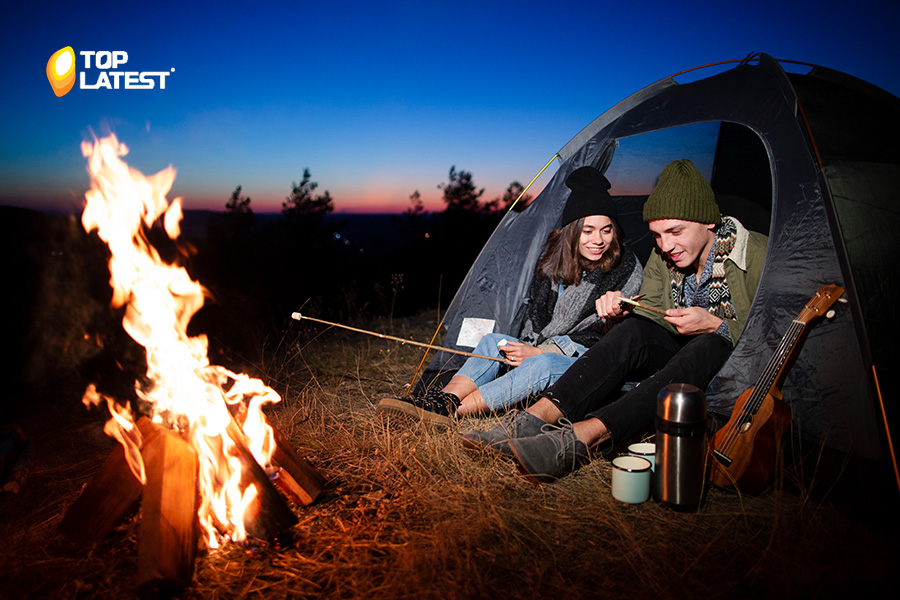
Evenings around the fire are the heart of the experience. A flask of karak or a pot of cardamom coffee turns a cold night into a memorable one, and our guide to traditional Emirati beverages you can recreate this winter has easy ideas to bring along.
Matching Your First Trip to Your Style
The best first trip depends on what you value most.
Families with young children usually enjoy managed sites such as Hatta or Jebel Hafeet most. Washrooms, security and nearby food remove much of the planning, at the cost of some solitude.
Confident drivers with a four-wheel drive tend to prefer the open desert around Al Qudra and Al Marmoom, where you choose your own dune and your own view of the stars.
Hikers and cold-weather fans gravitate to Ras Al Khaimah’s wadis, where sunrise walks reward an early start.
Beach lovers find Fujairah’s coastline the most relaxed option, with milder nights and morning swims.
A practical approach is to start with one night at a managed site, learn what you actually use, then build towards a wilder spot later in the season. Most of your gear will carry over, and you will quickly discover whether you prefer convenience or remoteness.
Conclusion
Camping in the UAE rewards a little preparation with experiences that are hard to find anywhere else: silent dunes at sunrise, star-filled skies an hour from the city, and long evenings with friends around a fire. Choose a permitted site, check the latest rules for your emirate, pack for the overnight low, and leave the desert as you found it. With those basics in place, your first winter night outdoors will likely become a seasonal tradition. For more weekend ideas, explore the travel and lifestyle guides on toplatest.ae.
Top 5 Sources
- Dubai Municipality
- National Centre of Meteorology
- Dubai Holding (Hatta Resorts and Hatta Wadi Hub)
- Abu Dhabi Department of Municipalities and Transport
- Umm Al Quwain Municipality
Frequently Asked Questions
It depends on the emirate and the type of stay. In Dubai, short weekend camping in recognised desert recreation areas such as Al Qudra does not require a published single-night permit, while seasonal plots at Al Ruwayyah need Dubai Municipality registration. Abu Dhabi requires a prior municipal licence to camp in public places. Managed sites such as Hatta Camp Site and Jebel Hafeet Desert Park simply need a booking. Always confirm current rules before travelling.
The best time for camping in the UAE is between November and April, when temperatures are cool enough to sleep outdoors comfortably. December, January and February bring the coldest nights, which are ideal for campfires but call for warm sleeping gear. October and late April can still feel warm in the desert. Managed sites like Hatta usually open during autumn and close as summer heat returns, so check their seasonal dates before booking a weekend.
Beginners in Dubai usually start in two places. The open desert around Al Qudra, within the Al Marmoom Desert Conservation Reserve, is reachable by paved road and popular for weekend tents set back from the lakes. Hatta Camp Site, run by Dubai Holding, offers bookable pitches with parking, fire pits, washrooms and security. UAE nationals can also register for seasonal plots at Al Ruwayyah through the DubaiNow app or Dubai Municipality’s winter camp portal.
Winter nights in the UAE desert are often much colder than visitors expect. The National Centre of Meteorology reports average winter lows of around 14°C to 16°C nationally, but inland desert and mountain areas fall considerably lower, and some locations dip below freezing. Sand loses heat quickly after sunset, and wind adds to the chill. Packing a sleeping bag rated to around 5°C, an insulated mat and warm layers keeps desert nights comfortable for most campers.
Desert camping in the UAE calls for gear that handles both sand and cold. Essentials include a tent with sand pegs, an insulated sleeping mat, a sleeping bag rated to around 5°C, warm layers, a gas stove or raised barbecue stand, firewood bought in advance, and at least four litres of water per person daily. Add a torch, power bank, first aid kit, rubbish bags and offline maps. Deep dune areas also require a four-wheel drive with recovery equipment.