
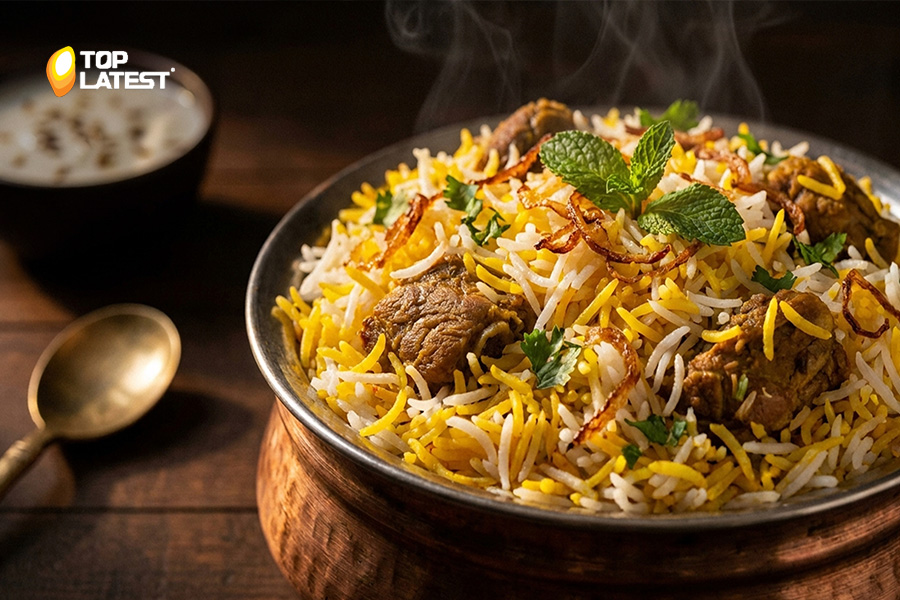
Few dishes carry the identity of the UAE as faithfully as Machboos. Served at family gatherings, weekend lunches, Ramadan iftars, and formal majlis spreads, this fragrant rice and meat preparation is more than a national comfort food. It is a record of trade winds, Bedouin tradition, pearl diving voyages, and the layered pantry that shaped Emirati kitchens over centuries. If you have ever eaten Machboos in Dubai, Abu Dhabi, Sharjah, or Al Ain and wondered why no two versions taste exactly alike, the answer lives in the ingredients, their sourcing, and the quiet knowledge passed through generations of home cooks.
This guide walks you through the real story behind each core ingredient in authentic Emirati Machboos, how to source them well in the UAE today, and what each element contributes to the final plate. Whether you cook it at home, host guests, or simply want to appreciate the dish more deeply, understanding the pantry is the clearest way in.
What Machboos Actually Is
Machboos, also written as Majboos or Makbous, is a one pot rice dish built on long grain basmati, slow cooked protein, dried limes, and a warm spice blend known locally as bezar. It is the signature dish of the Emirati table and shares a family resemblance with other rice dishes across the Arabian Peninsula, yet the UAE version has its own unmistakable fingerprint. The dried lime depth, the restrained heat, the soft caramelised onion base, and the characteristic bezar aroma distinguish it clearly from biryani, kabsa variants, or pulao.
The dish is traditionally served on a large communal platter, often topped with fried raisins, almonds, and crispy onions. In many Emirati homes, it is the standard for welcoming guests, which is why the ingredients are rarely compromised.
Loomi: The Dried Lime That Defines the Dish
If one ingredient tells you a Machboos is authentic, it is loomi. These are limes that have been boiled in salted water and then sun dried until they turn dark, hollow, and intensely aromatic. Loomi gives Machboos its signature sour, slightly fermented, almost smoky undertone that no fresh citrus can replicate.
Loomi came into Emirati kitchens through the historic trade links between the Arabian coast and the Indian Ocean. Pierced whole and dropped into the pot, or ground into powder and stirred into the spice base, loomi perfumes the rice from within. In Dubai, you will find the best quality loomi at traditional spice souks like the Deira Spice Souk, where vendors still sort them by colour, with the darker, denser limes carrying the most concentrated flavour.
A good Machboos uses one or two whole loomi per pot, lightly cracked so the aroma escapes without the lime disintegrating. The result is a brightness that cuts through the richness of the meat and brings the whole dish into balance.
Bezar: The Spice Blend at the Heart of Emirati Cooking
Bezar is the Emirati masala, and it is the second pillar of Machboos. Every family has its own ratio, but the common foundation includes cumin, coriander seeds, black pepper, turmeric, cinnamon, cloves, cardamom, dried ginger, fenugreek, and sometimes fennel. The spices are dry roasted, cooled, and ground together, then stored in sealed jars for daily cooking.
What makes bezar distinct from garam masala or baharat is the warm, earthy weight of turmeric and dried ginger, balanced by the subtle floral note of cardamom and the slow sweetness of cinnamon. The blend is designed to carry long cooking without turning bitter, which is why it works so well in a dish where rice and protein cook together.
In Abu Dhabi and Sharjah, old spice merchants will often custom blend bezar on request. For home cooks, mixing a small batch every two to three months keeps the flavour fresh. Preground supermarket bezar is convenient and acceptable, yet freshly ground spice always lifts the final dish noticeably.
Basmati Rice: The Grain That Carries the Story
Authentic Machboos is built on long grain aged basmati, not short grain or medium grain rice. Aged basmati, often labelled with a specific vintage of one to two years, cooks into separate, fluffy grains that absorb the stock without turning sticky. This texture is central to the eating experience, where each grain should carry the aroma of loomi, bezar, and the meat broth.
The UAE imports significant volumes of premium basmati, and brands with long standing presence in the local market are widely available at Carrefour, Lulu, Union Coop, and traditional grocers across the Emirates. Washing the rice until the water runs clear and then soaking it for twenty to thirty minutes before cooking is a non negotiable step in most Emirati households. This soaking relaxes the starch and gives the grains room to lengthen during cooking.
Protein Choices: Lamb, Chicken, Fish, and Camel
Machboos adapts to the protein that is most meaningful to the occasion. The most popular choice at family gatherings is lamb, specifically bone in cuts from the shoulder or leg, which release collagen and flavour into the broth as they cook. Chicken Machboos is the everyday favourite, quicker to prepare and lighter on the plate, often made with whole chicken pieces for maximum flavour.
Fish Machboos, known as Machboos Samak, is a coastal specialty from Ras Al Khaimah, Umm Al Quwain, and Fujairah, where fresh hamour, kingfish, or safi are the preferred choices. The fish is first pan fried with spices, then layered over the rice at the end of cooking so it stays tender. Camel Machboos appears at larger celebrations and traditional weddings, especially in the inland and desert regions, and carries a deeper, slightly sweeter flavour than lamb.
The UAE places strong emphasis on sustainable sourcing of fish, and the Ministry of Climate Change and Environment regularly publishes guidance on seasonal species and size limits for local waters, which thoughtful home cooks and restaurants pay attention to when choosing fish for Machboos Samak.
Onions, Tomatoes, and the Flavour Base
A well made Machboos starts with a slow cooked base of onions and tomatoes, cooked in ghee or vegetable oil until deeply caramelised. This stage is often rushed by inexperienced cooks, yet it is where the backbone of the flavour is built. The onions should turn soft and golden brown, releasing their natural sugars, before the spices, garlic, ginger, and tomatoes are added.
Local Emirati cooks often use yellow onions for their sweetness and firmer texture when caramelised. Fresh tomatoes are preferred over paste for the main pot, though a small amount of tomato paste can be added for colour depth. Garlic and ginger paste, prepared fresh, brings a sharpness that balances the richness of the ghee.
Ghee, Oils, and Cooking Fats
Traditional Machboos is cooked in ghee, the clarified butter that has been part of Emirati cooking for centuries. Ghee carries heat well, adds a nutty aroma, and gives the rice a glossy finish. Many modern households blend ghee with a neutral oil to lighten the dish without losing character. For fish Machboos, a lighter hand with ghee or a switch to vegetable oil is common, as the fish itself brings its own richness.
Finishing Touches: Raisins, Nuts, and Fried Onions
The visual drama of a well presented Machboos comes from its finishing layer. Golden fried onions, sweet raisins plumped in a little ghee, and lightly toasted almonds or cashews are scattered across the top before serving. This finish is not decorative alone. The sweet raisins contrast with the sour loomi, the nuts add texture against the soft rice, and the fried onions bring a crisp, savoury crunch.
Some families also add a light sprinkle of rose water or saffron infused water in the final steam, which lifts the aroma without overpowering the dish.
Sourcing Ingredients Across the UAE
The UAE offers an unusually rich sourcing landscape for Machboos cooks. The Deira Spice Souk in Dubai remains the first stop for whole spices, bezar components, and the best grade loomi. The Mina Zayed vegetable and fish markets in Abu Dhabi offer fresh local produce, and newer farmers markets across both cities now feature small producers of ghee, dates, and locally raised meat. Supermarkets like Union Coop, Lulu, and Carrefour stock premium basmati, standard spice ranges, and most pantry essentials year round.
For the authentic experience, pairing fresh ingredients from a traditional souk with high quality staples from a modern supermarket is the pattern most Emirati home cooks follow today. If you are new to the UAE and want to build a Machboos pantry, the guide to sourcing organic produce and farmers markets in Dubai and Abu Dhabi on TopLatest is a useful companion read for finding reliable suppliers across the Emirates.
Serving Machboos the Emirati Way
Machboos is a dish built for sharing. The rice is piled high on a wide platter, the meat arranged on top, and the garnishes scattered generously. It is traditionally eaten with the right hand, accompanied by daqoos, a cooked tomato chilli sauce, and a bowl of fresh salad with cucumber, tomato, and mint. Laban, a lightly salted buttermilk drink, is the classic beverage pairing.
If you plan to serve Machboos to guests at home, the setting matters as much as the cooking. A majlis style arrangement with low seating, warm lighting, and a central shared platter brings out the full cultural weight of the dish. For a modern take on hosting, the guide to hosting a majlis style dinner party in your Dubai apartment walks through practical ideas that work in contemporary UAE homes.
Why the Ingredient Story Matters
Authentic Machboos is not defined by a single recipe. It is defined by the integrity of its ingredients, the attention paid to each stage of cooking, and the cultural memory carried in every spice jar and rice sack. When you understand what each ingredient does and why it matters, you can judge quality in a restaurant, recreate the dish at home with confidence, and appreciate the depth behind what looks like a simple plate of rice and meat.
The UAE Food and Beverage Manufacturers Group and cultural bodies like the Sheikh Mohammed Centre for Cultural Understanding have long highlighted traditional Emirati cuisine as a cornerstone of national heritage, and Machboos sits at the centre of that story. Learning the pantry is the first step in learning the culture, and for many residents and newcomers, it becomes a lasting way to connect with the Emirates.
If you enjoy exploring the flavours and traditions of the UAE, the guide to traditional Emirati beverages you can recreate at home this winter is a natural next read, pairing the warmth of local drinks with the richness of the Emirati table.
Top 5 Sources
- Ministry of Climate Change and Environment, United Arab Emirates
- Sheikh Mohammed Centre for Cultural Understanding, Dubai
- Dubai Municipality, Deira Spice Souk heritage records
- UAE Food and Beverage Manufacturers Group, Emirati cuisine heritage programme
- Abu Dhabi Agriculture and Food Safety Authority, local produce and fisheries guidance
Frequently Asked Questions
Machboos is a traditional Emirati one pot dish of long grain basmati rice, slow cooked meat or fish, dried lime, and a warm spice blend called bezar. It is considered a national dish of the UAE because it anchors family gatherings, Ramadan iftars, weddings, and majlis hospitality across Dubai, Abu Dhabi, Sharjah, and other Emirates. Its ingredients reflect centuries of trade, Bedouin food culture, and the coastal pantry that shaped Emirati cuisine.
Loomi is a dried lime made by boiling fresh limes in salted water and sun drying them until they turn dark and hollow. It gives Machboos its signature sour, slightly fermented aroma that fresh citrus cannot replicate. One or two whole loomi, lightly cracked, are added to the pot so the flavour infuses the rice and meat as they cook. The Deira Spice Souk in Dubai is widely regarded as a trusted source.
A traditional Emirati bezar typically includes cumin, coriander seeds, black pepper, turmeric, cinnamon, cloves, cardamom, dried ginger, and fenugreek, with some families adding fennel for a touch of sweetness. The spices are dry roasted, cooled, and ground together, then stored in sealed jars for daily use. The ratio varies from household to household, which is why no two family Machboos recipes taste identical. Freshly ground bezar always lifts the final dish more than preground blends.
Chicken Machboos is the everyday favourite in most UAE households because it cooks quickly and suits weekday meals, while lamb Machboos is reserved for family gatherings, Ramadan iftars, and formal hospitality. Fish Machboos, known as Machboos Samak, is a coastal specialty from Ras Al Khaimah, Umm Al Quwain, and Fujairah, often made with hamour or kingfish. Camel Machboos appears at larger traditional celebrations and weddings, particularly in inland and desert regions of the UAE.
The Deira Spice Souk in Dubai is the first stop for whole spices, bezar components, and premium loomi, with vendors sorting dried limes by colour and density. The Mina Zayed market in Abu Dhabi offers fresh produce and local fish. Supermarkets like Union Coop, Lulu, and Carrefour stock premium aged basmati, ghee, and standard spice ranges year round. Pairing a traditional souk with a modern supermarket gives the best result.