
The UAE has grown into one of the most visited destinations in the world, yet its cultural depth often surprises first-time travellers. Beyond the skyline of Dubai and the coastline of Abu Dhabi, the country holds centuries of trading history, Bedouin heritage, pearl-diving legacy, and a modern museum scene that ranks among the finest globally. For residents planning a weekend break or visitors mapping a longer trip, the emirates offer a rare combination of restored old quarters, world-class galleries, desert forts, and living craft villages, all within a short drive of each other.
This guide walks you through the most popular cultural and heritage travel spots across the UAE, starting with the destinations that consistently draw the highest visitor numbers and moving through lesser-known sites that reward slower exploration. Each section highlights what shapes the experience, the best times to visit, and how each destination fits into a wider itinerary.
Sheikh Zayed Grand Mosque, Abu Dhabi
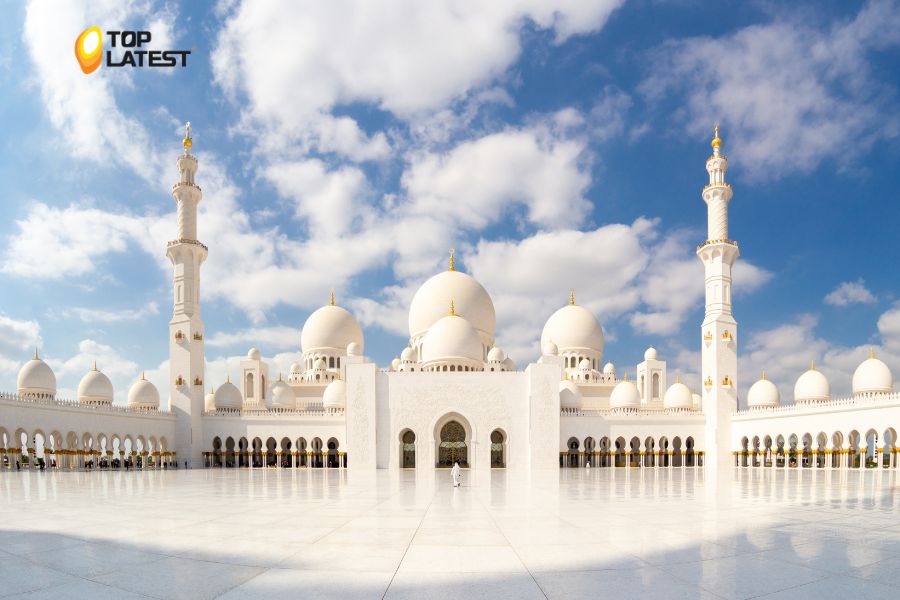
The Sheikh Zayed Grand Mosque remains the single most visited cultural landmark in the UAE, receiving several million visitors each year according to figures published by the Department of Culture and Tourism Abu Dhabi. Its scale is difficult to overstate: 82 domes, more than 1,000 columns, and the world’s largest hand-knotted carpet inside the main prayer hall. The white marble courtyard, inlaid with floral mosaics, is designed to reflect natural light in a way that changes across the day.
Guided tours are complimentary and available in multiple languages, offering context on Islamic architecture, the vision of the late Sheikh Zayed, and the craftsmanship behind the interiors. Evening visits are especially rewarding, as the exterior lighting shifts subtly with the lunar cycle. Modest dress is required, and abayas are provided at the entrance for those who need them.
Al Fahidi Historical Neighbourhood, Dubai
Tucked behind Dubai Creek, Al Fahidi is the best preserved example of pre-oil Emirati urban life. The narrow sikkas, coral-and-gypsum walls, and traditional wind towers offer a tangible sense of how communities lived in Dubai during the late 19th and early 20th centuries. The neighbourhood houses the Dubai Museum inside Al Fahidi Fort, the oldest surviving building in the city, along with independent art spaces such as XVA Gallery and the Coffee Museum.
Al Fahidi works well as a half-day itinerary. Start with the fort, walk through the Sheikh Mohammed Centre for Cultural Understanding for a guided cultural meal, then cross to Deira by traditional abra for one dirham. If you are planning a longer stay in the city, our Dubai lifestyle guides on toplatest.ae cover neighbourhood-by-neighbourhood recommendations that pair well with a heritage day out.
Louvre Abu Dhabi, Saadiyat Cultural District
Louvre Abu Dhabi opened in 2017 as the first universal museum in the Arab world and has since become a defining cultural anchor for the capital. Designed by Jean Nouvel, its floating silver dome filters sunlight through 7,850 geometric stars, creating what the architect described as a “rain of light” across the galleries beneath. The permanent collection traces human civilisation across regions and eras, with rotating loans from major French institutions.
The wider Saadiyat Cultural District is expanding rapidly, with the Zayed National Museum, Guggenheim Abu Dhabi, and the Natural History Museum Abu Dhabi all in advanced stages of development. Visitors planning a cultural weekend in the capital will find it worth reserving a full day for Saadiyat alone.
Qasr Al Hosn, Abu Dhabi
Qasr Al Hosn is the oldest stone structure in Abu Dhabi and served as the seat of the ruling family for nearly two centuries. Following an extensive restoration project completed in 2018, it reopened as a cultural site that presents the story of Abu Dhabi from a small fishing and pearling settlement into a modern capital. The inner fort dates back to the 1790s, while the outer palace was added in the 1940s.
Adjacent to Qasr Al Hosn, the House of Artisans showcases traditional Emirati crafts including Al Sadu weaving, Talli embroidery, and Khoos palm-frond weaving, all recognised by UNESCO as part of intangible cultural heritage. Live demonstrations by local artisans make it one of the most engaging heritage stops in the country.
Sharjah Heritage Area and the Heart of Sharjah
Sharjah was designated the Cultural Capital of the Arab World by UNESCO in 1998 and continues to hold that reputation through sustained investment in heritage restoration. The Heart of Sharjah project, one of the largest historical preservation initiatives in the region, is restoring the emirate’s old town to its 1950s appearance, with courtyards, mosques, souks, and merchant houses rebuilt using traditional materials.
Highlights include the Sharjah Museum of Islamic Civilization, Bait Al Naboodah, Al Hisn Fort, and the Sharjah Art Foundation spaces spread across the historic quarter. The Sharjah Biennial, held every two years, draws international curators and artists and has become a fixture on the global contemporary art calendar.
Al Ain, the Garden City and UNESCO World Heritage Site
Al Ain holds the UAE’s only UNESCO World Heritage inscription, granted in 2011 for its cultural sites that document human settlement in a desert region from the Neolithic period onward. The inscription covers Hili Archaeological Park, the oases, and several tombs and falaj irrigation systems that have sustained agriculture for more than 4,000 years.
Visitors should prioritise Al Ain Oasis, a walkable 1,200-hectare palm grove with a functioning falaj system, followed by Al Jahili Fort, Qasr Al Muwaiji, and the Al Ain National Museum. The city sits about 90 minutes from both Abu Dhabi and Dubai, making it a practical day trip. For those considering the area more seriously, our Abu Dhabi area guides on toplatest.ae provide useful context on the wider emirate.
Hatta Heritage Village, Dubai
Hatta sits in the Hajar Mountains, about 90 minutes from central Dubai, and offers a completely different landscape from the coast. The Hatta Heritage Village is a reconstructed mountain settlement that shows how communities lived in the interior, with defensive watchtowers, a restored fort, traditional houses, and a small museum covering agricultural and pastoral life.
The surrounding area has developed into one of the UAE’s most popular adventure and eco-tourism destinations, with kayaking on Hatta Dam, mountain biking trails, and heritage-inspired lodges. It suits families and travellers looking to combine cultural exploration with active outdoor pursuits.
Ras Al Khaimah: Dhayah Fort and the National Museum
Ras Al Khaimah has one of the longest continuous histories of any emirate, with archaeological evidence of settlement going back more than 7,000 years. Dhayah Fort, perched on a hilltop overlooking date palm groves and the Arabian Gulf, is the last remaining hilltop fort in the country and offers some of the most photographed sunset views in the north.
The National Museum of Ras Al Khaimah, housed inside the former residence of the ruling family, presents a well-curated collection covering the emirate’s pearling, trading, and mountain communities. Combined with visits to Al Jazirah Al Hamra, an abandoned pearling village on the coast, RAK offers one of the most authentic heritage experiences in the UAE.
Fujairah: Al Bidyah Mosque and the East Coast Forts
Fujairah, the only emirate on the Gulf of Oman, holds the oldest known mosque in the UAE. Al Bidyah Mosque, built from mud brick and stone around 1446 according to research documented by the Fujairah Tourism and Antiquities Authority, remains in active use and welcomes respectful visitors outside prayer times. Its four small domes and simple interior speak to a period long before oil transformed the region.
Fujairah Fort, restored and reopened as a heritage site, is one of the oldest fortifications in the country. Combined with a coastal drive that passes several other forts and watchtowers, the east coast offers a rewarding two-day cultural loop with far fewer crowds than the west.
Umm Al Quwain and Ajman: Quiet Heritage Escapes
For travellers who want to experience heritage without crowds, Umm Al Quwain and Ajman are ideal. Umm Al Quwain’s old town preserves a maritime character that has largely disappeared elsewhere, with the UAQ Fort now serving as the National Museum. Ajman Museum, housed inside an 18th-century fort, offers a compact but well-designed introduction to the emirate’s pearling and fishing history.
Both emirates are within an hour of Dubai and pair well with an overnight coastal stay. If you are considering longer stays or exploring residential options in the northern emirates, our area guides on toplatest.ae cover practical lifestyle context for each community.
Planning Your Cultural and Heritage Itinerary
The most rewarding time to visit heritage sites in the UAE is between October and April, when daytime temperatures stay comfortable for walking through open-air forts and oases. Many museums and heritage centres offer free or reduced entry for UAE residents, and most operate ticketing through official emirate tourism apps, which makes planning straightforward.
A few practical points shape the experience. Modest dress is expected at mosques and some heritage sites. Photography is generally welcomed, though flash is often restricted inside museums. Guided tours, where available, consistently add value because they connect the physical structures to the wider story of Emirati society, trade, and family life.
Bringing It All Together
The UAE’s cultural and heritage landscape is far broader than most first-time visitors expect. From the marble courtyards of the Sheikh Zayed Grand Mosque to the mud-brick walls of Al Bidyah, the country offers a genuine spectrum of experiences that speak to both its deep history and its confident cultural ambitions. For residents, these sites reward repeat visits, especially when tied to seasonal festivals, biennials, and Ramadan cultural programmes.
If you are planning a heritage-focused weekend or a longer cultural tour of the emirates, explore more travel and lifestyle features on toplatest.ae to build an itinerary that fits your interests and schedule.
Sources
- Department of Culture and Tourism Abu Dhabi
- UNESCO World Heritage Centre
- Sharjah Investment and Development Authority
- Dubai Culture and Arts Authority
- Fujairah Tourism and Antiquities Authority
Frequently Asked Questions
The Sheikh Zayed Grand Mosque in Abu Dhabi is consistently the most visited cultural site in the UAE, welcoming several million visitors each year. Its scale, architecture, and open access to non-Muslim visitors under a respectful dress code make it a landmark for both residents and international travellers. Complimentary guided tours in multiple languages help explain the design, the vision behind the mosque, and the craftsmanship behind its interiors, which enhances the experience considerably.
Sharjah is widely considered the strongest single destination for a heritage-focused weekend, given its UNESCO recognition as the Cultural Capital of the Arab World and the ongoing Heart of Sharjah restoration. The city concentrates museums, restored merchant houses, art foundations, and traditional souks within walking distance. Al Ain is a close second, especially for visitors interested in UNESCO World Heritage sites, oases, and archaeological parks, and both cities work well as two-day itineraries from Dubai or Abu Dhabi.
Most UAE heritage sites are family-friendly and increasingly designed with interactive elements for younger visitors. Louvre Abu Dhabi runs a dedicated Children’s Museum, Qasr Al Hosn hosts craft demonstrations that engage children, and Hatta Heritage Village combines cultural exploration with outdoor activities. Al Ain Oasis offers shaded walkways suitable for strollers. Planning morning visits during cooler months keeps children comfortable, and many sites offer complimentary entry or reduced rates for young visitors.
A guide is not required, but it consistently improves the experience at most heritage sites. Places like Sheikh Zayed Grand Mosque, Qasr Al Hosn, and the Sharjah heritage area offer complimentary or low-cost guided tours that add historical, architectural, and cultural context you would otherwise miss. For self-guided visits, most major sites provide detailed audio guides through their official apps, and interpretive signage in Arabic and English is generally excellent, especially at recently restored destinations.
The ideal period runs from October through April, when temperatures allow comfortable outdoor exploration of forts, oases, and open courtyards. Winter months also coincide with major cultural events including the Sharjah Biennial, Sikka Art Fair in Dubai, and heritage festivals in Al Ain and Abu Dhabi. Ramadan offers a distinctive experience with evening cultural programmes and iftars at heritage venues, though visitors should confirm daytime opening hours during the holy month before travelling.