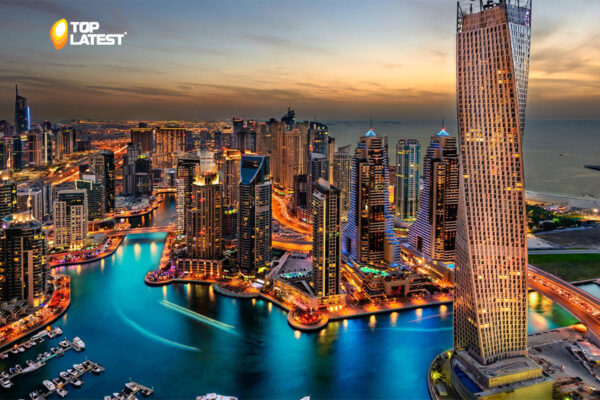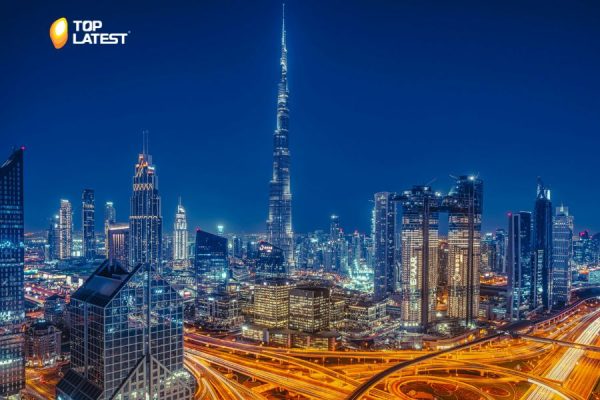
Modern Dubai is easy to picture. The skyline of Downtown, the malls of Business Bay, the beach clubs along Jumeirah. Old Dubai asks for a slower kind of attention. It is the part of the city built along Dubai Creek, where the trading families first settled, where the wind towers still work, and where you can spend an entire afternoon on foot for the price of a coffee. For residents who have lived here for years without crossing into Bur Dubai or wandering past the Gold Souk, this guide is a nudge to go. For newer arrivals, it is a starting point.
Old Dubai is not a single neighbourhood. It is a linked set of districts on both sides of the creek, and the way you move between them shapes the experience. This guide walks you through Al Fahidi Historical District first, then across the water to Deira, with practical notes on timing, transport, food, and what to actually pay attention to along the way.
Why Old Dubai Deserves a Place on Your Regular Rotation
Old Dubai is walkable in a way that most of the city is not. From the Al Fahidi metro station on the Green Line, you can reach the historic quarter in ten minutes on foot, cross the creek by abra, and be inside the Deira souks in under half an hour. There is no valet, no waiting list, no cover charge. That accessibility is part of the appeal.
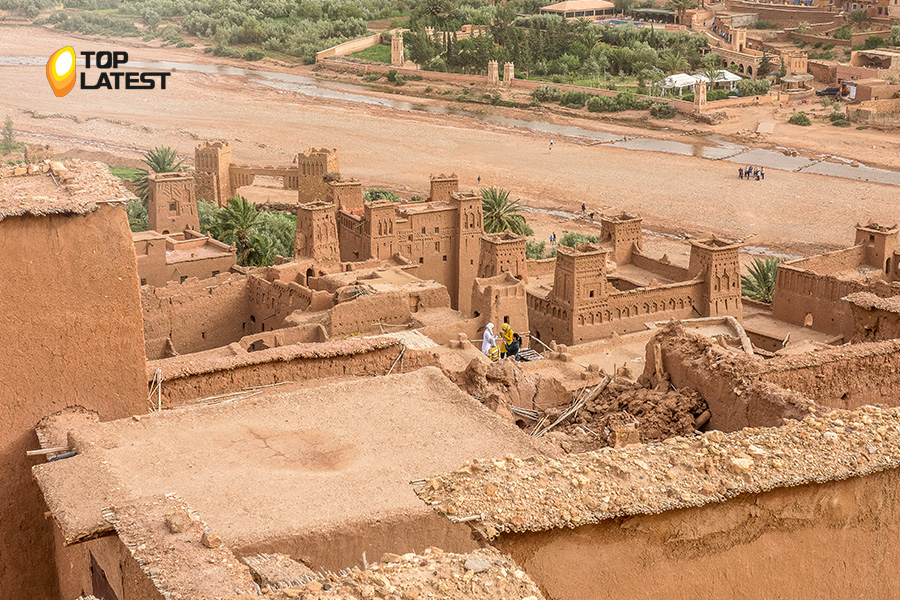
The other part is texture. Al Fahidi is one of the last places in the emirate where you can see coral stone walls, gypsum-lined courtyards, and functioning wind towers, the passive cooling systems that pre-date air conditioning. According to Dubai Culture and Arts Authority, the district’s restoration has preserved buildings dating to the late nineteenth century, giving visitors a tangible sense of how merchants lived before oil reshaped the city. Nothing else in Dubai offers that continuity of scale, material, and use.
Starting Your Walk in the Al Fahidi Historical District
Al Fahidi, sometimes still called Al Bastakiya, sits on the Bur Dubai side of the creek, a short walk from the abra station. The neighbourhood was founded in the late 1800s by merchants from the Bastak region of southern Iran, who came to Dubai for its favourable trading conditions and built homes suited to the coastal climate. The narrow lanes are intentionally shaded and channel the breeze between the wind towers.
The Sheikh Mohammed Centre for Cultural Understanding sits inside the district and runs open sessions where residents and visitors sit together over Emirati breakfast, lunch, or dinner and ask any question about local culture, faith, and daily life. The centre’s motto, Open Doors, Open Minds, captures the format well. For expats who have lived in the UAE for years and never had a direct conversation about Emirati traditions, these sessions are one of the most useful cultural experiences in the city. Newer arrivals often pair a visit here with the wider settling-in work covered in the first year survival guide for expats moving to the UAE, which touches on many of the same cultural cues.
Inside the district you will also find the Coffee Museum, the Coin Museum, XVA Gallery, and a rotating set of independent art spaces. The Al Shindagha Museum, a short walk along the creek, tells the wider story of Dubai’s ruling family, pearl diving, and creek life. It is one of the most thoughtfully curated museum experiences in the emirate and deserves at least ninety minutes.
Al Fahidi Fort, built in 1787, is the oldest surviving building in Dubai and traditionally housed the Dubai Museum. The fort itself, with its coral stone walls and wooden watchtowers, is worth a slow look from the outside even during renovation windows. Check the Dubai Culture and Arts Authority website before visiting for the latest access details, since the museum has undergone significant restoration work in recent years.
Crossing Dubai Creek by Abra
The abra is a wooden motorised boat that has ferried people across Dubai Creek for generations. The Roads and Transport Authority operates two main routes, one between Bur Dubai and Deira Old Souk stations and another between Al Sabkha and Al Seef, at a fare of AED 1 per crossing when paying in cash. It is the cheapest and most memorable few minutes of transport in the city.
The abras run late into the evening, and the crossing at dusk, with the water reflecting the lights of the dhows and the mosque minarets on either bank, is genuinely worth planning around. Sit at the edge, hold your camera loosely, and let the boat fill up around you. There is no schedule. The abra leaves when it is full, which is rarely more than a few minutes. Air-conditioned electric abras are also available on select routes for a slightly higher fare, useful in peak summer, though the traditional wooden boats remain the recommended experience for anyone visiting for the first time.
Exploring the Souks on the Deira Side
Deira is the older commercial heart of Dubai, and its souks remain working markets, not tourist reconstructions. The Gold Souk is the anchor. The Dubai Gold and Jewellery Group has long positioned the city as one of the world’s leading gold trading hubs, and the density of shops along the covered walkways of the Gold Souk gives you a direct sense of that scale. You can walk in without buying anything and simply observe how prices are set against the daily international gold rate, how bargaining actually works, and how families choose pieces for weddings.
A short walk brings you to the Spice Souk, where saffron, dried limes, cardamom, sumac, and rose petals sit in open sacks. Vendors are used to visitors and will often offer a small taste of dates or a rub of frankincense between your fingers. The Perfume Souk sits nearby, with shops that will blend traditional Arabian attars to your preference in ten minutes.
The Textile Souk on the Bur Dubai side of the creek is less visited than the Deira markets and stocks silks, cottons, and pashminas at prices that reward patience. If you are furnishing a home or planning a wedding, an hour here is genuinely productive. Home stylists working on traditional interiors often source runners and cushion fabrics from this souk, and the same instincts apply if you are experimenting with Arabesque and geometric Islamic decor in a contemporary UAE flat.
Where Locals Actually Eat in Old Dubai
Old Dubai is one of the strongest eating neighbourhoods in the city. The food follows the trading history: Iranian bakeries, Indian and Pakistani grills, Emirati canteens, Afghan tea houses, and Filipino carinderias sit within a few blocks of each other.
For breakfast, an Iranian bakery in Al Fahidi or Meena Bazaar will hand you fresh sangak or barbari bread with feta, walnuts, and cardamom tea. For lunch, Ravi in Satwa is legendary, but the biryani shops along the Bur Dubai Souk area hold their own. In the evening, the alleys behind the Deira Gold Souk fill with grill smoke from Iranian and Yemeni restaurants that have been operating for decades. Ask three locals for their favourite kebab spot and you will get three different answers, all correct.
For a more curated introduction, several licensed food tours walk small groups through Deira and Bur Dubai over three or four hours, stopping at family-run kitchens that do not advertise. This is one of the more rewarding ways to spend a Saturday morning if you are new to the area, and one of the clearest windows into how Levantine, Khaleeji, and Egyptian cuisines all share the same few blocks in Old Dubai.
Practical Notes for a Smooth Visit
A few habits make the experience noticeably better. Wear comfortable shoes, since you will cover four to six kilometres on foot without noticing. Bring small cash for the abra, the souks, and the smaller restaurants, since not every vendor accepts cards. Dress modestly, particularly in Al Fahidi and near the mosques along the creek, where covered shoulders and knees are the norm.
Time your visit around the cooler hours from October to April, when walking is comfortable throughout the day. In summer, plan for early morning or after sunset. Fridays have shorter opening hours in the souks, and many shops close between the noon and afternoon prayers.
Parking is limited around Al Fahidi and Deira. Taking the metro to Al Fahidi, Al Ghubaiba, or Al Ras stations, and returning the same way, keeps the day simple. If you are visiting Old Dubai as part of a wider exploration of the emirate, it pairs naturally with a trip to Al Seef, the restored waterfront extension along the creek, and with an evening dhow cruise from the same jetty.
How Old Dubai Fits Into a Modern UAE Lifestyle
For UAE residents, Old Dubai is not a museum piece. It is a working part of the city that offers something the newer districts cannot: a sense of continuity. The families who trade gold, spices, and textiles here are often third or fourth generation, and the buildings that house them are protected heritage assets under Dubai Culture. Bringing visiting family here, taking children to the Al Shindagha Museum, or simply making an evening of the abra crossing and a Deira dinner gives you a way to engage with the city that costs almost nothing and repays each visit.
For newer arrivals, a walk through Al Fahidi and a crossing to Deira is one of the most efficient ways to understand where Dubai came from and how the city thinks about its own identity. It is a natural companion to the broader work of settling in, and one of the reasons that expat guides to the UAE keep pointing residents back toward the creek.
To explore more UAE lifestyle and travel guides, browse the wider travel section on toplatest.ae, where you will find neighbourhood deep dives, weekend itineraries, and cultural features written for residents. Old Dubai is best experienced slowly, one alley at a time, and there is always another lane worth walking down.
Sources
- Dubai Culture and Arts Authority
- Roads and Transport Authority, Government of Dubai
- Dubai Gold and Jewellery Group
- Sheikh Mohammed Centre for Cultural Understanding
- Dubai Department of Economy and Tourism
Frequently Asked Questions
The Dubai Metro Green Line is the easiest route into Old Dubai, with three useful stations to choose from. Al Fahidi and Al Ghubaiba stations both drop you within a ten minute walk of the Al Fahidi Historical District and the Bur Dubai abra jetty. Al Ras station on the Deira side sits closest to the Gold Souk and Spice Souk. Taxis and RTA buses also serve the area throughout the day.
The standard traditional wooden abra costs AED 1 per one way crossing when paid in cash, making it one of the most affordable transport experiences in the emirate. The route runs between Bur Dubai and Deira Old Souk stations from early morning until close to midnight. Air conditioned electric abras operate on select routes at a slightly higher fare. There is no fixed timetable, since boats depart as soon as they fill.
The core loop covers the Sheikh Mohammed Centre for Cultural Understanding for Emirati cultural sessions, the Coffee Museum, the Coin Museum, and XVA Gallery for regional art. Al Fahidi Fort, built in 1787, anchors the district as the oldest surviving building in the city. A short walk along the creek leads to the Al Shindagha Museum, which offers one of the most thoughtfully curated introductions to Dubai’s ruling family and pearl diving history.
The Gold Souk is the anchor market and remains one of the most visited destinations in Deira, with dense rows of jewellery shops working against the daily international gold rate. The Spice Souk sits a short walk away, stocking saffron, cardamom, dried limes, and rose petals. The Perfume Souk nearby specialises in traditional attars. On the Bur Dubai side, the Textile Souk offers silks, cottons, and pashminas at competitive prices.
The cooler months from October to April offer the most comfortable walking conditions, with pleasant daytime temperatures across Bur Dubai, the Al Fahidi lanes, and the Deira souks. In the summer months from May to September, early morning visits before ten and evening walks after sunset are the practical windows. Fridays feature shorter souk opening hours, with many shops closing between the noon and afternoon prayers, so it is worth checking timings before you head out.