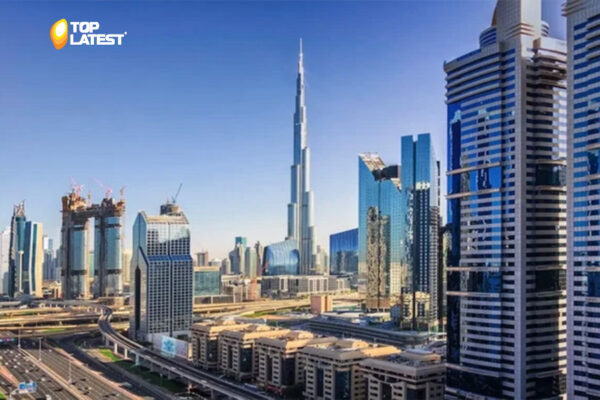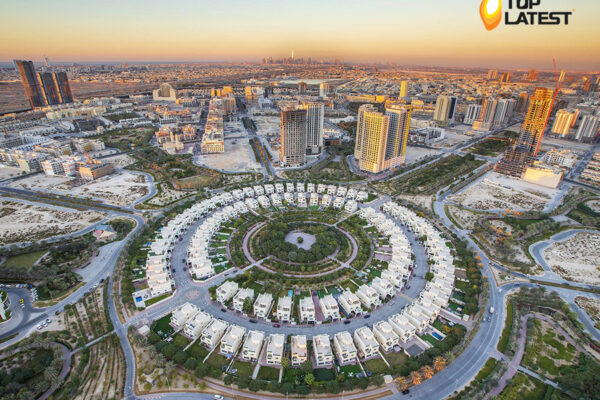
Sunlight in the UAE is generous, dramatic, and relentless for much of the year. From the reflective glare bouncing off Dubai’s glass towers to the intense midday heat in Sharjah villas and Abu Dhabi apartments, the way you dress your windows shapes daily comfort, cooling costs, and even how well your furniture holds its colour. Choosing the right curtains and blinds is less about following décor trends and more about matching materials, mechanisms, and layering to the realities of a desert climate. This guide walks you through the options that perform best in UAE homes, with a clear view of what to keep in mind for each room, window orientation, and lifestyle.
Why UAE Sunlight Demands a Specific Approach
The UAE sees some of the highest solar radiation levels in the world, with UV index readings that regularly cross extreme thresholds from spring through autumn. Summer temperatures across the Emirates routinely climb above 45 degrees Celsius, according to data from the National Center of Meteorology, and direct sun through untreated windows can push indoor surface temperatures far higher. That heat gain places continuous demand on air conditioning, which is why the Dubai Electricity and Water Authority highlights cooling as the largest single contributor to residential electricity consumption in Dubai. Well chosen window treatments quietly reduce that load while protecting interiors from fading and heat damage.
Beyond heat, glare is a daily concern. South and west facing windows in high rise apartments receive prolonged direct sun during the hottest hours, while ground floor villas often deal with reflected light from paved surfaces and pool decks. The right combination of curtains and blinds addresses all three challenges at once: heat, glare, and long term UV exposure. Getting this balance right also helps preserve wooden flooring, upholstery, artwork, and rugs, which fade noticeably faster under sustained direct sunlight.
Popular Window Treatments in UAE Homes, Ranked by Everyday Use
The following options appear most frequently across UAE residences because they perform well under intense sun and suit the mix of villa, apartment, and townhouse layouts common in the Emirates.
Blackout Curtains
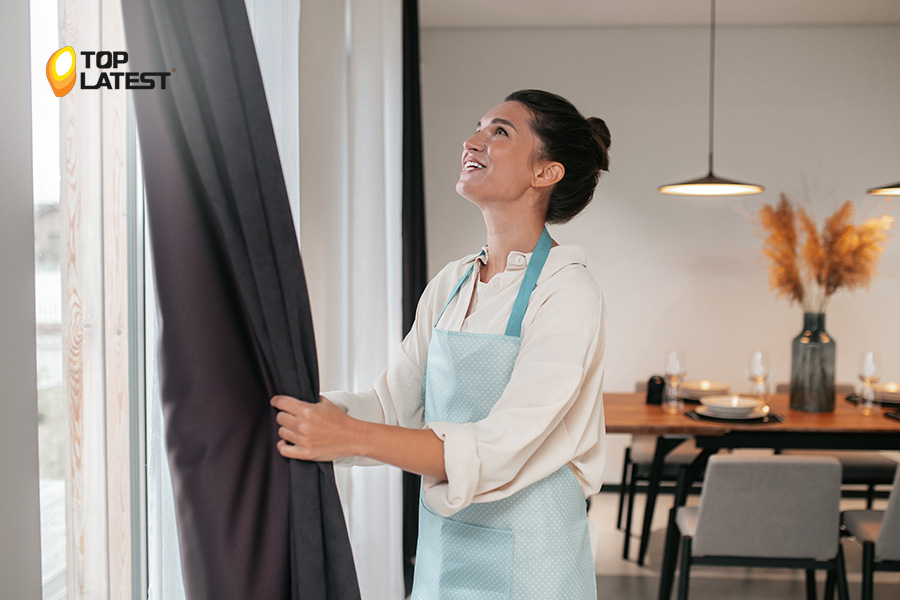
Blackout curtains remain the most widely adopted choice in UAE bedrooms, home theatres, and nurseries. Their multi layer construction blocks direct light almost entirely, which is essential for shift workers, families with young children, and anyone who wants a cool, dark sleeping environment during long summer daylight hours. Thermal backed blackout fabrics also add an insulating layer that slows heat transfer through the glass, contributing to lower cooling bills over time. Floor length blackout curtains with wide side coverage tend to outperform shorter panels because they minimise light and heat leakage around the frame.
Roller Blinds with Solar or Sunscreen Fabric
Roller blinds fitted with technical sunscreen fabric are a top choice for living rooms, home offices, and dining areas. These fabrics are engineered with specific openness factors, typically ranging from 1 percent to 10 percent, which determine how much light and heat pass through while still allowing a filtered outdoor view. In apartment towers along Sheikh Zayed Road, Corniche Abu Dhabi, and Al Reem Island, solar roller blinds are often paired with sheer curtains to preserve the skyline view without sacrificing comfort.
Sheer Curtains as a Layering Piece
Sheer curtains are rarely used alone in the UAE, but they play a critical role when layered with blackout curtains or solar blinds. During the day, sheers soften harsh light, add a sense of privacy, and give rooms a lighter feel without letting full sun in. Layered systems, often called day and night setups, are common in Dubai Marina apartments and Yas Island villas because they offer flexible control from morning to evening.
Roman Blinds
Roman blinds bring a tailored, upholstered look that suits classic villa interiors in Al Barsha, Mirdif, and Khalifa City. When ordered in blockout lined fabric, they deliver strong light control while keeping window frames uncluttered. They tend to work best in medium sized windows and are a popular choice for guest bedrooms, studies, and formal sitting rooms where a softer, dressed appearance is preferred over a stripped back roller blind.
Motorized and Smart Blinds
Motorized blinds are gaining ground quickly, particularly in newer developments and smart home focused villas. Automated systems allow scheduling around peak sun hours, which supports energy efficient cooling. Integration with home assistants and dedicated apps makes it easy to close blinds automatically at midday, when the sun is at its strongest and interior heat gain is highest. For very tall windows and hard to reach openings, motorization is often the most practical solution.
Vertical Blinds and Wooden Venetians
Vertical blinds continue to be used in wide format windows and sliding balcony doors, while wooden or faux wood venetians add warmth to studies and dressing rooms. Faux wood is generally preferred over natural timber in the UAE because it resists warping in humid coastal conditions and requires less maintenance over time.
Fabrics and Materials That Perform Well in UAE Conditions
Fabric selection matters as much as the type of treatment. Look for tightly woven polyester blends, technical solar fabrics, thermal backed cotton blends, and blackout linings that carry a heat and UV performance rating. Natural fibres like pure linen and pure silk are beautiful but tend to fade faster under sustained UAE sun, so they perform best in shaded rooms or north facing windows.
For blinds, aluminium slats offer strong heat reflection, PVC and faux wood resist humidity, and technical roller fabrics with reflective backings provide the best combination of view retention and heat rejection. Fire retardant fabrics are also worth considering for high rise apartments, and many building management companies specifically recommend them for tower residences.
Colours That Support Heat Performance
Lighter colours, especially those with reflective or metallic backings, bounce more heat back through the glass and reduce indoor warming. Off white, sand, soft grey, and pale champagne tones are widely used in UAE apartments because they suit modern interiors while keeping rooms cooler. Deeper colours can still be used inside, particularly with blackout linings, which allow you to enjoy rich tones like navy, terracotta, or forest green without compromising heat performance. A common approach is to select a light, heat reflective outer layer facing the glass, paired with a decorative inner layer that reflects the personality of the room.
A Room by Room View for UAE Homes
Bedrooms: Blackout curtains, often paired with sheer inner layers, remain the standard. Thermal linings help maintain cool sleeping temperatures through the night.
Living and Dining Areas: Solar roller blinds behind sheer or decorative curtains offer the best mix of view, comfort, and style, especially in apartments with skyline or sea views.
Kitchens: Moisture and heat resistant options such as PVC roller blinds or faux wood venetians handle steam, oil splashes, and regular cleaning well.
Home Offices: Sunscreen roller blinds reduce screen glare while preserving natural light, which supports focus and reduces eye strain during long work hours.
Children’s Rooms: Cordless blackout blinds or motorized systems are widely chosen for safety and ease of use, especially in nurseries and toddler rooms.
Bathrooms: Waterproof faux wood blinds or PVC vertical blinds are the practical choice, offering privacy without absorbing moisture or developing mildew.
Installation, Layering, and Fit
A well installed window treatment does more than look good. Curtains that extend beyond the window frame and reach close to the floor block more heat and light leakage. Blinds mounted with minimal gaps at the sides perform better on heat rejection. Layered day and night systems remain the most flexible approach for UAE living, giving you a filtered light option during the day and full darkness at night.
For very tall windows in villa living rooms or double height apartments, motorized systems are often more practical than manual controls. For balcony doors, side opening curtains or wide roller blinds with cassette headings tend to sit cleanly against modern architecture.
Caring for Window Treatments in a Dusty, Humid Climate
Fine desert dust settles quickly on fabrics and slats, so regular light vacuuming with a soft brush attachment keeps materials looking fresh. Blinds benefit from a monthly wipe down with a slightly damp microfibre cloth. Coastal areas, including Jumeirah, JBR, Saadiyat Island, and Al Zorah, see higher humidity, so faux wood and PVC options outperform natural wood in the long term. Professional cleaning every one to two years extends the life of premium blackout curtains and preserves their thermal properties.
Energy Efficiency and Sustainable Choices
Window treatments contribute meaningfully to household energy efficiency, which aligns with broader UAE goals under initiatives such as the UAE Energy Strategy 2050 and Dubai’s Al Sa’fat green building system. Thermal backed curtains, reflective solar fabrics, and automated shading reduce cooling loads, especially during peak summer months. For homeowners considering longer term upgrades, pairing efficient window treatments with reflective window films and well maintained air conditioning delivers noticeable savings across the year.
Bringing It All Together
Selecting curtains and blinds for a UAE home is a balance of performance, style, and daily comfort. Prioritize heat and UV control on sun facing windows, layer treatments for flexible light management, and choose fabrics and materials suited to desert and coastal conditions. Whether you are furnishing a Downtown Dubai apartment, a Yas Acres villa, or a Sharjah townhouse, thoughtful window treatments protect your interiors, support cooling efficiency, and add a refined finish to every room. Explore more home styling ideas on toplatest.ae or connect with a licensed interior specialist to tailor a setup to your specific windows and lifestyle.
Top 5 Sources
- National Center of Meteorology, UAE
- Dubai Electricity and Water Authority (DEWA)
- Dubai Municipality Al Sa’fat Green Building Regulations
- Ministry of Energy and Infrastructure, UAE Energy Strategy 2050
- Emirates Authority for Standardization and Metrology (ESMA), Building Materials and Energy Efficiency Guidelines
Frequently Asked Questions
Blackout curtains with thermal backing are the most widely used option for UAE bedrooms because they block strong morning and evening sun, keep rooms cooler, and support deeper sleep. Many households pair them with a sheer inner layer to soften daytime light without opening the room to full glare. Floor length panels with wide side coverage perform best, since they minimise light and heat leakage around the window frame, especially on south and west facing windows.
Yes, thermal backed blackout curtains help reduce cooling costs by slowing heat transfer through the glass, which is one of the biggest sources of unwanted indoor warming in the UAE. When drawn during peak sun hours, they reduce the load on the air conditioning system, allowing it to reach and hold the set temperature more efficiently. Paired with solar roller blinds or reflective window films, the combined effect on cooling efficiency becomes noticeably stronger over time.
Faux wood and PVC blinds are the top choice for coastal UAE locations such as Dubai Marina, JBR, Saadiyat Island, and Al Zorah, where humidity is consistently higher than inland areas. Unlike natural timber, these materials resist warping, swelling, and mildew, so they hold their shape and finish for years. Aluminium venetians are another practical option, particularly for kitchens and bathrooms, because they wipe clean easily and stand up well to salt heavy coastal air.
Motorized blinds are increasingly popular in UAE homes because they suit tall windows, double height living rooms, and smart home setups. Scheduling them to close during peak sun hours supports energy efficient cooling, and app or voice control makes daily use effortless. For families with young children, cordless motorized systems also improve safety. While the upfront investment is higher than manual blinds, the convenience, aesthetics, and cooling benefits often justify the cost, especially in newer developments.
Fine desert dust settles quickly on window treatments, so light vacuuming with a soft brush attachment every one to two weeks keeps fabrics looking fresh. Blinds benefit from a monthly wipe down with a lightly damp microfibre cloth. Curtains generally do well with professional cleaning every twelve to twenty four months, which preserves their thermal properties and colour. Homes in coastal or high traffic areas may need slightly more frequent care due to humidity and airborne particles.