
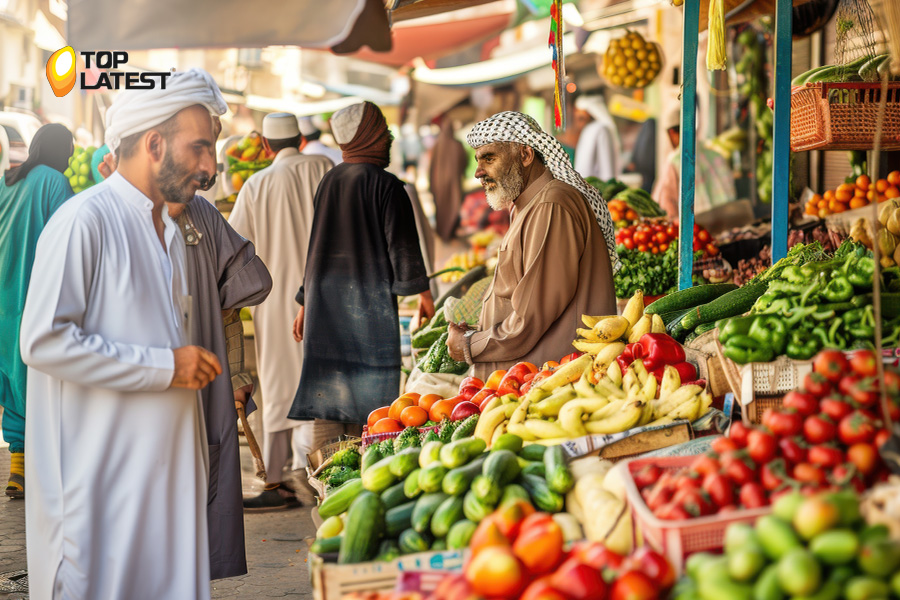
Sourcing organic produce in the UAE has moved from a small wellness niche into a mainstream weekly habit for residents across Dubai and Abu Dhabi. Certified local farms now supply supermarkets, home delivery boxes, and open-air farmers markets that run through the cooler months. If you want cleaner ingredients, tighter supply chains, and a direct line to the growers behind your food, both cities offer a well established network to draw from. This guide walks you through the most popular farmers markets, the certified farms behind them, the year-round delivery options, and the practical detail you need to build a reliable organic pantry, whether you live in Downtown Dubai, on Saadiyat Island, or in a family community further out. The takeaway upfront: with a small amount of planning, you can eat almost entirely from certified local sources for a large part of the year.
What Organic Certification Actually Means in the UAE
Understanding the label helps you shop with confidence. In the UAE, organic status is regulated at the federal level. The Ministry of Climate Change and Environment oversees the national organic system, and farms that carry the UAE Organic Logo have passed inspection against Federal Law No. 6 of 2018 on organic agriculture. The rules cover soil management, permitted inputs, seed sourcing, water use, and the full chain of custody from farm to shelf. In Abu Dhabi, the Abu Dhabi Agriculture and Food Safety Authority runs licensing, inspections, and farm registration for the emirate, and it publishes lists of registered organic operations. When you see the UAE Organic Logo on a punnet of cherry tomatoes or a bag of rocket, it means the product has been grown to a verified national standard, not a marketing claim invented in-house. Terms such as “natural,” “chemical free,” or “farm fresh” carry no legal weight in the UAE organic system, so the logo remains the primary reference point.
Farmers Markets in Dubai Worth Building a Weekend Around
Dubai’s outdoor market season runs roughly from November to May, when the weather allows growers, bakers, and small food producers to trade comfortably outdoors. The markets below are the most established and most popular, so they are the sensible starting point.
Ripe Market at Academy Park and Bay Avenue
Ripe is the anchor name in the Dubai organic market scene. Founded in 2011 by Becky Balderstone, the operator sources from certified UAE farms and runs the largest weekend markets in the city. The flagship Ripe Market at Academy Park in Umm Suqeim runs on Saturdays through the season, with fresh organic vegetables, seasonal fruit, artisan bakes, dairy, honey, and small batch preserves alongside a family friendly programme of activities including live music, art workshops, and kids’ zones. The midweek Farmers Market on the Terrace at Bay Avenue in Business Bay is a smaller, quicker stop for residents who work in Downtown Dubai or Business Bay and want to pick up produce on the way home. For late night shoppers who prefer to plan errands around evening hours, the guide to Dubai’s top 24-hour restaurants on toplatest.ae is a useful companion read for building a wider around-the-clock lifestyle map.
Emirates Bio Farm Farmshop and On-Site Market
Emirates Bio Farm, based in Al Ain, is the largest certified organic farm in the country and supplies boxes to homes across Dubai. The farm hosts open days and an on-site market during the cooler months, where you can walk the fields, meet the growers, and buy produce that was harvested the same morning. For Dubai residents willing to plan a day out, it is a strong way to understand where your food actually comes from and to shop at prices closer to the farm gate than the retail shelf.
Al Barsha Pond Park Market and Community Pop-Ups
Ripe also runs a Friday market at Al Barsha Pond Park through the season, which serves the western Dubai communities well. Community pop-ups appear in neighbourhoods such as Dubai Hills Estate, Arabian Ranches, and Jumeirah, often organised through community management teams or private operators. These are smaller in scale but useful for residents who prefer to shop close to home. Ripe publishes weekly schedules on its own channels, and dates shift each season, so a quick check before you drive across the city saves time. Interest in this type of market has grown in step with the wider push toward eco-conscious living and sustainable buildings in the UAE, which is reshaping how residents think about the whole cycle of food, water, and energy at home.
Farmers Markets and Organic Sources in Abu Dhabi
Abu Dhabi’s organic ecosystem is anchored by the capital’s parks programme and by the farming belt around Al Ain, which produces a large share of the emirate’s fresh vegetables. If you plan meals around what is grown locally, you get better quality at a lower price than imported organic equivalents.
Umm Al Emarat Park and Mushrif Central Park Markets
The Ripe Market at Umm Al Emarat Park is the most popular weekly organic market in Abu Dhabi, running through the cooler months with certified local produce, home bakers, small food brands, and children’s activities. Mushrif Central Park has historically hosted a similar Saturday evening market and remains a familiar venue for families who prefer an early evening slot to the morning rush. Both venues sit within easy reach of central Abu Dhabi residents and communities such as Al Bateen, Al Raha Beach, and Khalifa City, and they slot naturally into the weekend routine for families exploring the wider lifestyle around Al Raha Beach and the eastern corridor of the capital.
Emirates Bio Farm and Al Ain’s Farming Belt
The Al Ain region is the agricultural heart of the emirate, and Emirates Bio Farm anchors the certified organic side of that story. The farm sells directly at its on-site shop, delivers boxes to Abu Dhabi addresses, and supplies several supermarket chains including Spinneys and Waitrose. Smaller certified growers around Al Ain focus on leafy greens, tomatoes, cucumbers, aubergines, and herbs during the November to April season, when open field farming is at its peak. For families planning weekend outings, an Al Ain farm visit combines well with the city’s parks, the oasis, and Jebel Hafit.
Community and Hotel Hosted Markets
Beyond the anchor venues, several hotels and community developments host weekend organic markets during the cooler months. Saadiyat, Yas Island, and the Corniche corridor typically feature at least one hosted market each season, often themed around brunch, wellness, or family activities. These smaller markets do not always run every week, so it is worth following the operators directly for scheduling rather than relying on general listings.
Home Delivery and Year-Round Organic Sourcing
Farmers markets close through the hot summer months, but home delivery keeps organic produce accessible year round. This is where the UAE ecosystem is genuinely strong.
Ripe, Greenheart Organic Farms, and Emirates Bio Farm all offer subscription and one-off box delivery across Dubai, Abu Dhabi, Sharjah, and neighbouring emirates. Boxes are typically packed with what is in season, which keeps prices reasonable and reduces waste from unsold stock. Kibsons, while broader in range, carries a substantial certified organic line and offers next day delivery windows that suit residents balancing school runs and work commitments.
Online first platforms such as Organic and Real aggregate certified organic, vegan, gluten free, and specialty products in a single basket, which is useful for households managing dietary requirements alongside their fresh produce sourcing. Supermarket chains including Waitrose, Spinneys, Carrefour, and Union Coop carry dedicated organic sections that are stocked, in part, from UAE farms during the local season.
Weekly organic vegetable boxes across the main operators typically fall in the AED 120 to AED 220 range, depending on size and mix, and most offer flexibility to skip weeks, upgrade the box, or add on eggs, dairy, bread, and pantry items. Setting a recurring order for a small or medium box tends to be the most cost-effective anchor, with top-ups taken from the market or supermarket as needed. The practical takeaway is that you rarely need to compromise on organic sourcing, even in July and August, provided you build one or two reliable delivery relationships alongside your in-store shopping.
Seasonal Rhythm of UAE Grown Produce
The UAE organic calendar is shaped by climate. Open field production runs strongly from late October to April, when tomatoes, cucumbers, leafy greens, herbs, aubergines, capsicums, courgettes, and strawberries are at their peak. Local dates are harvested through the summer months, and citrus and mangoes each have their own short but excellent windows. Greenhouse and hydroponic growers extend the season for herbs, microgreens, and leafy salads deeper into the year, which is why home delivery in summer often leans on these categories alongside imported organic staples. Building your weekly menu around what is genuinely in season is the single most effective way to keep organic sourcing affordable and to support the local farming base at the same time.
Bringing It All Together
Organic sourcing in Dubai and Abu Dhabi rewards a small amount of planning. Anchor your weekend routine to one of the established Ripe markets, set up a delivery box from a certified local farm to cover midweek gaps, and keep a supermarket organic list for the essentials you cannot get elsewhere. Layer in an occasional visit to Emirates Bio Farm or a hotel hosted community market to keep the experience fresh. Over a few weeks, this becomes a natural rhythm rather than a project. For residents thinking about food access when choosing where to live, proximity to a weekend market or a strong delivery zone is a genuine lifestyle factor worth weighing alongside schools, parks, and community amenities, particularly for families evaluating the emirate’s family friendly neighbourhoods such as Khalifa City in Abu Dhabi.
Sources
- Ministry of Climate Change and Environment, United Arab Emirates
- Abu Dhabi Agriculture and Food Safety Authority
- Emirates Bio Farm
- Ripe Markets
- Dubai Municipality
Frequently Asked Questions
Ripe Market at Academy Park in Umm Suqeim is widely considered the flagship weekend organic market in Dubai. It runs on Saturdays through the cooler season, from around November to May, and brings together certified UAE farms, artisan food producers, and family activities in one venue. Ripe also operates the Farmers Market on the Terrace at Bay Avenue in Business Bay midweek, along with a Friday market at Al Barsha Pond Park for western Dubai residents.
Look for the UAE Organic Logo issued under the Ministry of Climate Change and Environment framework. Certified products carry the logo on packaging and are traceable back to a licensed farm. In Abu Dhabi, the Abu Dhabi Agriculture and Food Safety Authority handles farm licensing and inspection. Labels such as “natural,” “chemical free,” or “pesticide free” are not the same as certified organic, so checking for the national logo is the reliable test when you shop in-store or online.
Emirates Bio Farm in Al Ain is the largest certified organic farm in the country and supplies both emirates through direct delivery, its on-site shop, and supermarket partnerships. Greenheart Organic Farms is another well established Dubai based operator with its own subscription box service. Several smaller certified growers around Al Ain and the northern emirates supply Ripe markets, Kibsons, and independent grocers, particularly during the November to April open field season when local supply is at its highest.
Most outdoor farmers markets in Dubai and Abu Dhabi run from October or November through April or May, which aligns with the cooler weather and the peak local growing season. Through the summer months, home delivery from Ripe, Greenheart, Kibsons, Emirates Bio Farm, and Organic and Real keeps certified organic produce accessible. A small number of indoor hotel hosted markets continue in air-conditioned venues, but the majority of the open-air market activity concentrates in the winter and spring season.
Certified organic produce typically carries a premium over conventional supermarket produce, but the gap narrows significantly when you buy in-season UAE grown items directly from farmers markets or through a weekly delivery box. Imported organic products are usually the most expensive category. Households that plan meals around what is in season locally, use a subscription box for staples, and reserve the supermarket organic aisle for gap items tend to keep their overall grocery spend comparable to conventional shopping.