
Arabic sweets carry the memory of every gathering, from Eid mornings to majlis evenings across the UAE. The scent of orange blossom syrup, the crackle of golden kunafa strands, and the soft chew of a fresh date-filled ma’amoul are woven into daily life in Dubai, Abu Dhabi, Sharjah, and beyond. What makes the experience even richer is knowing you can recreate these sweets in your own kitchen, whether you cook in a compact apartment in JVC or a family villa in Al Ain.
The good news is that most traditional Arabic desserts rely on a handful of pantry staples widely stocked across UAE supermarkets. Semolina, phyllo dough, ghee, rose water, orange blossom water, pistachios, and dates form the foundation of dozens of classic recipes. Once you understand how these ingredients work together, you can move confidently from one dessert to the next. This guide walks you through the most loved traditional Arabic sweets, in the order UAE home cooks tend to attempt them, along with the techniques that make each one worth the effort.
Kunafa: The Golden Centerpiece of Every Celebration
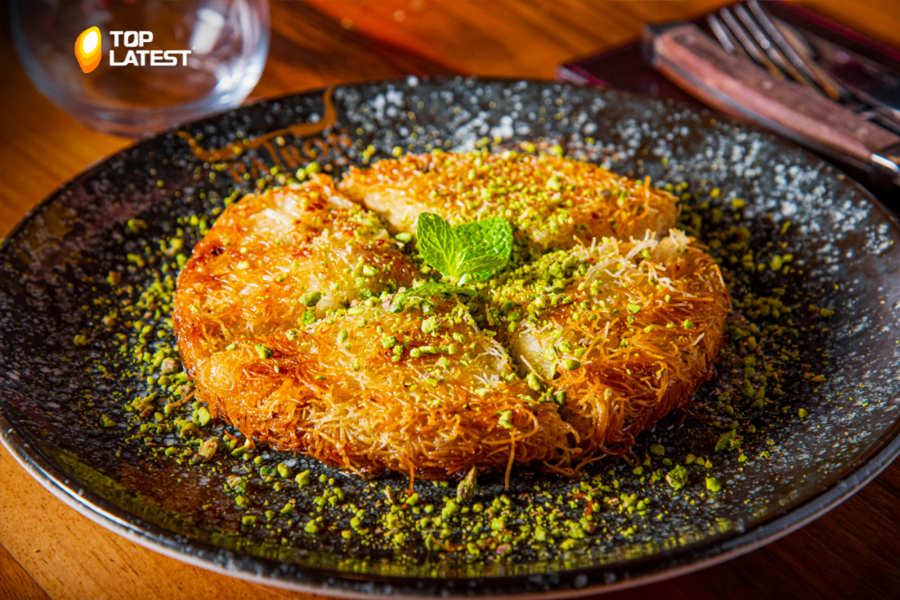
Kunafa remains the most requested Arabic dessert in the UAE, from the beloved Nabulsi style with stretchy Akkawi cheese to the pistachio-cream variations popularized in recent years. Making it at home is surprisingly approachable. You begin with kataifi pastry, which resembles fine golden threads and is available frozen in most Carrefour, Lulu, and Union Coop stores across the Emirates.
The classic method involves loosening the kataifi by hand until it feels like soft strands, mixing it with melted ghee, and pressing half into a wide tray. A layer of sweetened Akkawi cheese, or mozzarella soaked to reduce saltiness, goes in the middle, followed by another layer of buttered pastry pressed firmly on top. Baking at 180 degrees Celsius until deep gold, then flipping and soaking with a warm sugar syrup infused with lemon and orange blossom water, delivers that signature crunch and pull.
For a lighter finish, you can explore alternatives that use less butter and gentler cheese blends. Our guide to lighter kunafa, baklava, and basbousa at home walks through swaps that keep the flavor intact while easing the sugar load.
Baklava: Layered Precision Worth Practicing
Baklava is the second most popular Arabic sweet across UAE bakeries, and homemade versions taste noticeably fresher than trays that have been sitting for days. The technique relies on patience rather than difficulty. You brush every sheet of phyllo dough with clarified butter or ghee, layering roughly eight sheets, then adding a generous filling of finely chopped pistachios or walnuts flavored with a pinch of cinnamon.
More phyllo layers go on top, again buttered individually. Cutting the tray into small diamonds before baking is essential, because slicing after baking shatters the crisp layers. The final touch is a syrup made from sugar, water, lemon juice, and rose water, poured hot over the tray straight from the oven. The contrast of temperatures gives baklava its signature crackle. Storing at room temperature preserves the texture, since refrigeration softens the pastry within hours.
Luqaimat: The UAE’s Own Bite-Sized Icon
No conversation about traditional sweets in the UAE is complete without luqaimat. These golden dumplings are a Ramadan staple, an Eid classic, and a permanent feature at Emirati weddings and majlis gatherings. According to the Abu Dhabi Department of Culture and Tourism, luqaimat and similar heritage desserts form part of the emirate’s living cultural identity, celebrated during Ramadan and national occasions across every generation.
The dough is a simple yeasted batter made from flour, saffron, cardamom, yoghurt, and sometimes a touch of turmeric for color. After resting for about an hour, the batter is dropped in small spoonfuls into hot oil, where it puffs into crisp, hollow spheres. The finishing step defines the dish. Traditional luqaimat is drizzled generously with local date syrup, or dibs, which is produced in Al Ain and Liwa and stocked across UAE grocers. Modern variations include sesame seeds, Lotus Biscoff drizzle, or pistachio dust, but the original date-syrup version remains unmatched.
For more UAE classics you can master at home, our Emirati cookbook guide for expat kitchens is a natural next step for building a wider Emirati repertoire.
Basbousa: The Semolina Cake That Never Fails
Basbousa, sometimes called hareesa in parts of the Levant, is the most forgiving Arabic sweet for first-time bakers in the UAE. The batter comes together in one bowl and combines semolina, yoghurt, sugar, ghee, baking powder, and a splash of vanilla. Some cooks add desiccated coconut for texture, which is common across Egyptian variations popular in Abu Dhabi and Dubai bakeries.
You spread the batter into a greased tray, score the top into diamonds or squares, and place a blanched almond in the center of each piece. Baking at 180 degrees Celsius until golden takes about 30 to 35 minutes. As with baklava and kunafa, the syrup is added hot over the cooled cake, allowing it to soak evenly. The result is a moist, buttery cake with a fragrant crust that keeps well for several days at room temperature.
Ma’amoul: The Pastry of Eid Mornings
Ma’amoul is the shortbread-style pastry filled with dates, walnuts, or pistachios, and it holds special meaning during Eid al-Fitr and Eid al-Adha across the UAE. The dough is made from semolina, flour, ghee, and rose or orange blossom water, kneaded until soft and rested overnight so the semolina fully absorbs the fat. This resting step is often what separates a bakery-quality result from a rushed home attempt.
The filling is either soft date paste, often flavored with cinnamon and a hint of nutmeg, or a mixture of ground nuts and sugar bound with rose water. Shaping ma’amoul traditionally requires carved wooden molds, which you can find in old Deira souks and specialty stores across Sharjah and Dubai. Each shape historically indicates the filling, with rounded molds for dates and pointed ones for nuts. Baking at a low temperature keeps the pastry pale, which is the mark of a properly made ma’amoul.
Umm Ali: The Rich Bread Pudding of the Region
Umm Ali is the Arab world’s answer to bread pudding, and it has become a fixture in UAE hotel dessert menus and family kitchens alike. The base uses ready-made puff pastry or croissants, torn into pieces and layered in a baking dish with pistachios, almonds, raisins, and shredded coconut. This approach makes umm ali one of the most accessible traditional desserts for busy home cooks.
A warm mixture of milk, cream, sugar, and cardamom is poured over the pastry, allowed to soak briefly, and then topped with a thin layer of whipped cream or condensed milk. Baking under a hot grill for a few minutes creates a golden caramelized top. Served warm, umm ali is the dessert that most home cooks in the UAE reach for when they need to impress guests with minimal preparation, and it remains a firm favorite during Ramadan gatherings.
Awameh: The Sister Dessert to Luqaimat
Awameh, the Levantine cousin of luqaimat, follows a similar technique but uses a slightly denser batter and is soaked in sugar syrup rather than drizzled with date syrup. Popular across Syrian and Lebanese kitchens in the UAE, awameh appears at weekend brunches and Ramadan iftar spreads. The syrup, scented with lemon and rose water, gives it a glassy finish that sets it apart visually, making it a favorite for larger gatherings and family celebrations.
Building Your Arabic Sweets Pantry in the UAE
Stocking a reliable pantry makes the entire experience easier. Semolina in both fine and coarse grades, phyllo and kataifi pastry, ghee, saffron threads, cardamom pods, rose and orange blossom waters, unsalted pistachios, walnuts, almonds, and Emirati date syrup are the essentials. Most of these are available at Lulu Hypermarket, Union Coop, Carrefour, and the traditional souks of Deira and Sharjah’s Al Jubail Market. For fresh dates, the Al Aweer Fruit and Vegetable Market and roadside stalls in Al Ain during harvest season offer some of the finest varieties in the world, with the UAE ranking among the leading global producers of dates according to data published by the Food and Agriculture Organization of the United Nations.
A Note on Technique and Patience
Traditional Arabic sweets reward attention to small details. Syrup should always be cool when poured over hot pastry, or hot when poured over cool pastry, never both at the same temperature. Ghee should be melted gently, not browned. Dough for ma’amoul and pastry for baklava benefit from overnight rest. These small habits carry through every recipe and make the difference between a good result and a truly memorable one. For deeper context on regional flavors, our beginner’s guide to Levantine, Khaleeji, and Egyptian cuisine in the UAE offers a wider view of how these traditions connect across the UAE table.
Bringing It All Together
Making traditional Arabic sweets at home is one of the most rewarding culinary skills you can develop as a UAE resident. Beyond the flavor, it connects you to a heritage that spans centuries and shapes the social fabric of the region. Start with one or two recipes, build confidence with the pantry basics, and let each celebration be an opportunity to try something new. To explore more seasonal recipes and UAE living inspiration, browse the full food and recipes archive on toplatest.ae.
Sources
- Food and Agriculture Organization of the United Nations
- Abu Dhabi Department of Culture and Tourism
- Sharjah Institute for Heritage
- Emirates Culinary Guild
- UAE Ministry of Climate Change and Environment
Frequently Asked Questions
Basbousa is widely considered the most beginner-friendly traditional Arabic sweet. The batter comes together in one bowl using semolina, yoghurt, sugar, ghee, and baking powder, all of which are stocked across UAE supermarkets. There are no delicate pastry sheets to handle and no yeast to activate. You mix, pour, score into diamonds, bake, and soak with warm syrup. The result is consistently moist, fragrant, and forgiving of small measurement variations that trip up newer home bakers.
Kataifi and phyllo pastry are widely available in the frozen sections of major UAE supermarkets, including Lulu Hypermarket, Carrefour, Union Coop, and Spinneys. Specialty Middle Eastern grocers in Deira, Karama, and Sharjah’s Al Nahda area often carry additional brands imported from Turkey, Lebanon, and Greece. For larger quantities or professional-grade pastry, wholesale suppliers around Dubai’s Al Ras area serve caterers and home bakers alike. Always check the freeze date and thaw the pastry slowly in the refrigerator overnight before use.
Luqaimat and awameh share the same origin, both being small fried dough balls popular across the Arab world, but they differ in finishing style. Luqaimat is the Emirati version, drizzled with local date syrup and often flavored with saffron and cardamom in the batter itself. Awameh, common in Levantine kitchens, is soaked in a rose-scented sugar syrup that gives it a glossy coating. The interior texture also differs slightly, with luqaimat tending to be lighter and hollow when done well.
Yes, and many UAE home cooks now adapt classic recipes to reduce sugar, butter, or refined flour without compromising the character of the sweet. Common adjustments include using date syrup or honey instead of white sugar, replacing part of the ghee with olive oil, swapping refined flour for wholewheat or almond flour in basbousa, and using low-fat mozzarella in kunafa. These swaps keep the fragrance and texture intact while making the dessert more suitable for regular enjoyment across the week.
Shelf life depends on the sweet and how it is stored. Kunafa and umm ali are best served fresh on the day they are made. Baklava keeps well at room temperature in an airtight container for up to a week, and refrigeration should be avoided as it softens the pastry. Ma’amoul stays fresh for two to three weeks stored in a sealed tin. Luqaimat and awameh are ideally eaten within hours, and basbousa remains moist for three to four days.