Sustainability has moved from a background conversation to a defining feature of daily life across the UAE. From the nationwide phase-out of single-use plastics to Dubai’s clean energy targets, residents in Dubai, Abu Dhabi, Sharjah, Ajman, Ras Al Khaimah, Umm Al Quwain, and Fujairah are being invited to align their homes, habits, and everyday choices with a broader national direction. The good news is that sustainable living here does not require a lifestyle overhaul or a heavy upfront spend. It rewards small, consistent swaps that fit into UAE weather, apartment layouts, and shopping routines. This guide walks you through the practical everyday changes that make the biggest difference for residents and families, ordered by the impact they typically deliver for households across the country. Whether you rent a studio in Dubai Marina, own a villa in Al Reem Island, or share a family home in Sharjah, the same core principles apply and the same practical swaps deliver measurable results within your first month.
Why Sustainable Living Fits UAE Life Today
The UAE has built a clear regulatory and infrastructural backdrop for greener daily living. The Ministry of Climate Change and Environment (MOCCAE) confirmed a nationwide expansion of the single-use plastic ban that took effect on 1 January 2026, covering plastic cups, lids, cutlery, plates, straws, stirrers, and Styrofoam food containers, alongside all single-use bags under 50 microns, regardless of material. This built on earlier phases that Abu Dhabi and Dubai rolled out from 2022 and 2024. According to the Environment Agency Abu Dhabi, the capital’s earlier bag ban has already saved 364 million single-use plastic bags and recovered more than 130 million bottles through reverse vending machines and smart bins, a 95 per cent reduction at cash counters. Combine that with the UAE Net Zero 2050 pathway, the Dubai Clean Energy Strategy 2050, and the UAE Water Security Strategy 2036, and the environment for sustainable choices is more supportive than it has ever been.
Everyday Swaps That Make the Biggest Difference
The most effective sustainable habits are the ones you repeat daily. The list below leads with the swaps that deliver the strongest impact for the average UAE household, then moves through the smaller shifts that compound over time.
Reusable Bags and Bottles for Daily Errands
Reusable shopping bags are now the default at every supermarket, pharmacy, and convenience store in the country. Keep two or three foldable bags in your car, your work tote, and your home entryway so you are always covered for a Carrefour run, a Union Coop stop, or a walk to the corner grocery. For water, a stainless steel or BPA-free reusable bottle replaces dozens of single-use plastic bottles a month. Many UAE offices, gyms, malls, and metro stations now offer refill stations, and reverse vending machines are increasingly available at community hubs across Abu Dhabi and Dubai. If your household still buys bottled water for taste or convenience, a home water filter or a five-gallon dispenser with reusable cups delivers the same experience with a fraction of the waste. This single set of swaps often removes the largest volume of daily plastic from a UAE household.
Smarter Cooling and Energy Use at Home
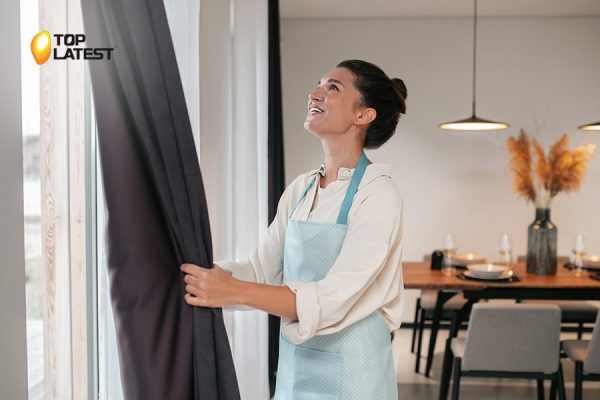
Cooling is the largest driver of electricity use in most UAE homes. Setting your air conditioning between 24 and 26 degrees Celsius, closing curtains during peak sun hours, and using ceiling fans to spread cool air can meaningfully reduce consumption without any comfort trade-off. Switching to LED lighting across the apartment or villa is a one-time swap that pays back quickly, and smart plugs help you cut standby power on entertainment systems, coffee machines, and chargers. A smart thermostat lets you schedule cooling around your actual routine rather than running the system when no one is home. For readers upgrading their homes, our smart home setup guide for Dubai apartments covers the devices worth prioritising. Sealing gaps around doors and windows keeps cooled air in and hot outside air out, which is especially useful during the summer months from May to September.
Water-Wise Habits That Cut Consumption
Water in the UAE comes primarily from energy-intensive desalination, which makes conservation both an environmental and a household budget decision. Simple swaps like installing low-flow shower heads and tap aerators, running dishwashers and washing machines on full loads, and choosing shorter shower cycles reduce daily usage without changing your comfort. Fixing dripping taps quickly matters more than most people realise, since a single leak can waste thousands of litres over a year. The UAE Water Security Strategy 2036 sets a national goal to cut average per capita water consumption significantly, and household habits are central to that shift. On balconies and outdoor spaces, watering plants during the cooler early morning or late evening, and grouping pots so they share shade, helps minimise evaporation in the summer.
Rethinking Single-Use Items in the Kitchen
The 2026 nationwide expansion of the single-use plastic ban means that reusable cutlery, cups, food containers, and lids are no longer optional additions but part of everyday practice. Stainless steel or bamboo cutlery sets, glass food containers, silicone stretch lids, and beeswax wraps replace cling film, disposable takeaway packaging, and paper towels for common kitchen tasks. Cloth kitchen towels handle most spills that people once reached for paper for. For coffee runs at Tim Hortons, Costa, %Arabica, or your neighbourhood speciality cafe, a reusable cup is welcomed at almost every outlet in the UAE, and several chains offer a small discount for bringing your own. If you order in regularly, choose restaurants that use recyclable packaging or offer a no-cutlery option through the delivery app.
Sustainable Grocery and Food Choices
Food waste is one of the highest impact areas UAE residents can address at home. Planning weekly meals before you shop, storing produce properly, and keeping a running list of leftovers to use first cuts both waste and grocery spend. Choosing loose fruits and vegetables rather than pre-packaged trays, buying pantry staples in bulk, and prioritising locally grown UAE produce from suppliers like Elite Agro, Emirates Bio Farm, and Al Dahra reduces packaging and food mileage. Composting is possible even in an apartment through countertop composters or building-level programmes offered in several communities. Reducing meat intake by one or two meals a week, particularly for households that eat meat daily, is one of the most effective single dietary swaps for lowering a personal carbon footprint.
Wardrobe Choices That Last Longer
The fashion category rewards a quality-over-quantity mindset. Building a smaller, well-made wardrobe of pieces that suit the UAE climate, breathable cottons, linens, and modest cuts that carry from office to weekend, extends the life of your clothes and reduces the pull toward fast fashion. Second-hand and preloved platforms such as Melltoo, Dubizzle, and The Luxury Closet, along with in-person swap events across Dubai and Abu Dhabi, keep quality items in circulation. Repairing rather than replacing shoes, bags, and abayas through neighbourhood tailors and cobblers, who remain widely available across UAE communities, is both economical and low waste. Readers exploring this thinking may also enjoy our take on minimalist living in Dubai, which pairs naturally with a lower consumption lifestyle.
Green Commuting and Everyday Mobility
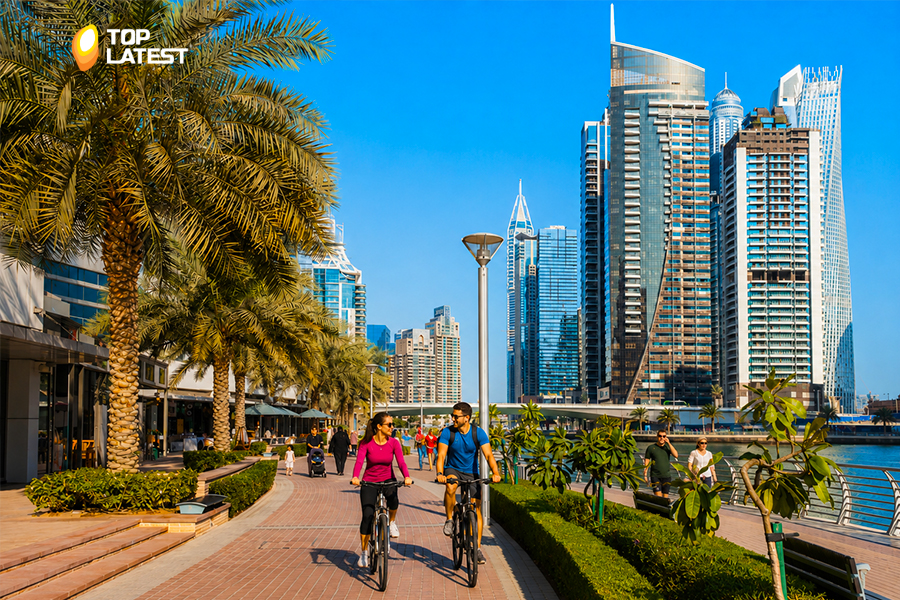
Mobility choices add up quickly. The Dubai Metro, Abu Dhabi buses, and the growing intercity network make public transport a practical option for many daily trips. Carpooling with colleagues, batching errands into a single drive, and walking or cycling for short neighbourhood trips during the cooler months from October to April cut both fuel use and stress. For households considering a vehicle upgrade, electric and hybrid options are supported by an expanding DEWA EV Green Charger network in Dubai and Etihad Water and Electricity chargers in the Northern Emirates. Even without changing your car, keeping tyres properly inflated, servicing your vehicle on schedule, and removing roof racks when not in use meaningfully improves fuel efficiency.
Community and Building-Level Habits That Amplify Impact
Individual choices matter more when they connect to community systems. Most residential towers and villa communities across the UAE now provide separated recycling bins for paper, plastic, metal, and glass, with Bee’ah, Tadweer, and Dulsco managing large parts of the collection infrastructure. Taking the extra minute to rinse and separate your recyclables meaningfully improves the quality of what actually gets processed. Participating in building-wide sustainability initiatives, joining community garden plots where available, and using neighbourhood WhatsApp groups to share items you no longer need before discarding them keeps useful goods in circulation. For readers rethinking outdoor spaces, our practical guide to balcony and rooftop decor for UAE summers shows how to build a small green corner that supports pollinators and cools your immediate surroundings.
Building a Long Term Sustainable Routine
Sustainable living in the UAE is best treated as a set of small, permanent habits rather than a single dramatic project. Start with the two or three swaps that fit your routine most easily, layer in another every few weeks, and use your DEWA or TAQA Distribution bill and your grocery spend as feedback signals. Over a year, the compound effect on your household waste, utility costs, and carbon footprint is significant, and the shift aligns your daily life with the UAE’s own long term direction. To explore the wider lifestyle context, our guide on how young professionals in Dubai are building wealth through practical minimalism is a useful companion read. For deeper category-specific guidance, explore more on toplatest.ae or connect with a certified sustainability consultant in your emirate.
Sources
- UAE Ministry of Climate Change and Environment (MOCCAE)
- Environment Agency Abu Dhabi (EAD)
- Dubai Electricity and Water Authority (DEWA)
- The UAE Government Portal (u.ae): UAE Water Security Strategy 2036 and UAE Net Zero 2050
- Dubai Municipality
Frequently Asked Questions
The easiest starting points are reusable shopping bags, a refillable water bottle, LED lighting across the apartment, and setting your air conditioning between 24 and 26 degrees Celsius. These four changes require little upfront cost, fit any apartment size in Dubai, Abu Dhabi, or Sharjah, and typically deliver visible reductions in both plastic waste and your monthly DEWA or TAQA bill within the first cycle, which makes them the most rewarding place to build momentum from.
Municipal water across the UAE is treated to internationally recognised standards and is generally safe at the point of delivery, though many residents prefer to use a home filter for taste and to reduce sediment picked up in building tanks. Choosing filtered tap water over single-use bottled water reduces plastic waste substantially, lowers grocery costs, and supports the goals of the UAE Water Security Strategy 2036, which encourages more efficient household water use nationally.
From 1 January 2026, the Ministry of Climate Change and Environment expanded the nationwide ban to include single-use plastic cups, lids, cutlery, plates, straws, stirrers, Styrofoam food containers, and all single-use bags under 50 microns. Retailers, restaurants, and delivery services are transitioning to reusable, recyclable, and plant-based alternatives. Shoppers benefit most by carrying reusable bags, bottles, cups, and containers, which are now widely accepted across UAE supermarkets, cafes, and food outlets.
Cooling drives most residential electricity use, so the highest impact swaps focus there. Set your air conditioning between 24 and 26 degrees Celsius, close blinds during peak sun hours, and use ceiling fans to circulate cool air. Upgrade to LED bulbs, install smart plugs to cut standby power, and consider a smart thermostat to match cooling to your actual routine. Sealing door and window gaps keeps cool air indoors and reduces summer consumption without changing your daily comfort.
Most residential communities across Dubai, Abu Dhabi, Sharjah, and the Northern Emirates provide separated bins for paper, plastic, metal, and glass, managed by operators like Bee’ah in Sharjah, Tadweer in Abu Dhabi, and Dulsco in Dubai. Reverse vending machines for plastic bottles and aluminium cans are increasingly available in malls and community hubs. Check your building notice board or municipality app for the nearest drop-off points and any building-level collection days scheduled in your community.