
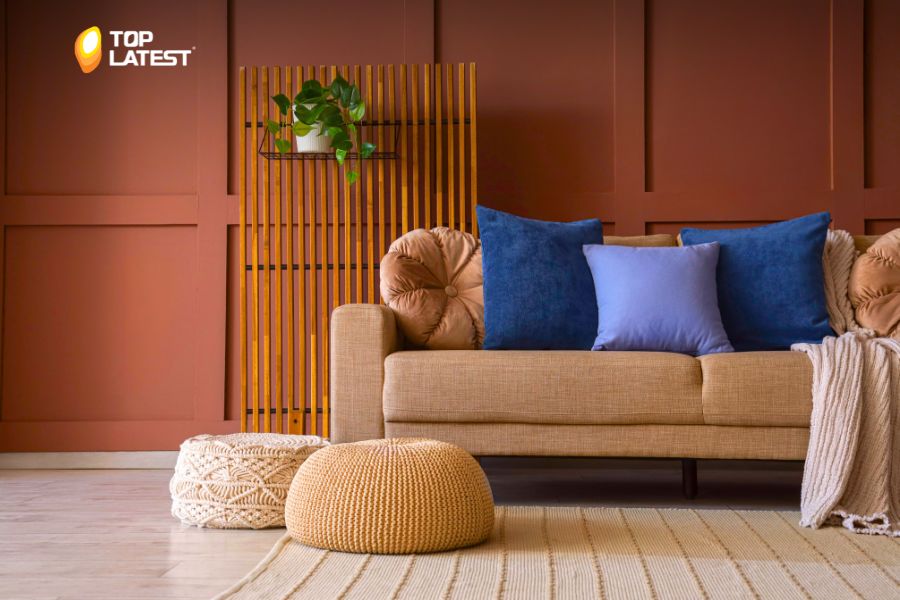
Homes across the UAE are becoming more expressive, more considered, and more personal. Whether you own a waterfront apartment in Dubai Marina, a family villa in Al Reem, or a townhouse in Sharjah, the appetite for interiors that reflect individual taste, rather than showroom defaults, continues to grow. Custom made furniture and bespoke interiors sit at the centre of that shift. This guide walks you through how the process works in the UAE, what shapes quality outcomes, and what to keep in mind as you plan a project that fits your space, lifestyle, and long term enjoyment.
Why Custom Furniture Is Reshaping UAE Homes
The UAE’s residential landscape has matured significantly. Buyers and long term tenants now think about their homes as spaces to invest in over time, not just to occupy. According to Statista, the UAE furniture market is projected to continue steady expansion through the coming years, driven by rising home ownership, premium residential handovers, and a strong preference for personalised living environments. That growth is especially visible in the bespoke segment, where residents want pieces built to their exact dimensions, materials, and aesthetic direction.
Three factors are accelerating this shift. First, apartment layouts across new developments increasingly feature non standard walls, alcoves, and open plan zones that off the shelf furniture rarely fits neatly. Second, expat households often relocate with mixed inventories, and custom pieces help unify a room. Third, the UAE’s luxury residential segment has become one of the most active in the world, and refined interiors are now a defining feature of premium living.
What Bespoke Interiors Actually Mean
Bespoke interiors go beyond a single custom sofa or a made to measure wardrobe. The term refers to a fully coordinated approach where furniture, joinery, upholstery, lighting, and finishes are designed together for a specific home and household. A bespoke project typically begins with a design brief, moves through spatial planning and material selection, and ends with fabrication in a local workshop and on site installation.
The distinction matters. A custom piece solves one problem. A bespoke interior solves the whole room, and often the whole home, in one coherent design language.
The Most In Demand Custom Furniture Categories
Popular categories in the UAE consistently lead demand across residential projects, and are worth understanding first if you are planning a phased approach.
Custom sofas and lounge seating top the list. Living rooms in UAE apartments and villas often have unusual proportions, and residents want seating that fits the exact wall length, ceiling height, and daily routine of the household.
Built in wardrobes and dressing rooms follow closely. Storage is one of the highest value upgrades in any UAE home, particularly in family villas where walk in dressing areas have become a standard expectation.
Kitchen and pantry joinery ranks among the most requested categories, especially in newer communities where residents are personalising handover interiors from day one.
Dining tables and consoles in stone, solid wood, or veneered finishes continue to attract strong interest, often designed as the visual anchor of open plan living areas.
Beds and headboards, custom TV units, and home office joinery round out the most active categories, reflecting how UAE households are using their homes for entertaining, remote work, and long term family living.
Materials and Finishes Shaping Bespoke Work in the UAE
The UAE’s climate, lifestyle, and design sensibilities influence material choices in specific ways. Solid oak, walnut, and ash remain popular for their durability and warmth. Engineered stone, natural marble, and sintered surfaces are widely used for tabletops, kitchen counters, and vanity units because they perform well in high use environments.
Upholstery choices favour performance fabrics that handle daily use, occasional sand and humidity in coastal communities, and the frequent hosting culture common across UAE households. Bouclé, textured linens, and treated leathers are consistently requested. Metal finishes such as brushed brass, blackened steel, and champagne bronze are appearing more frequently in accent details, mirroring the direction of premium hospitality interiors across Dubai and Abu Dhabi.
Colour direction has also shifted. Warm neutrals, sand tones, deep greens, and terracotta accents are widely used in UAE homes, softening the strong natural light and complementing the region’s architectural language. Layered textures matter as much as colour, and residents often ask for a mix of matte and satin finishes within the same room to add depth without visual noise.
Sustainability is also becoming a real consideration. Residents increasingly ask about responsibly sourced timber, low emission finishes, and locally fabricated pieces that reduce shipping impact. For readers exploring wider design direction, related interior design and home decor guides on toplatest.ae offer additional context on colour, layout, and material pairing.
The Design and Production Process
A typical bespoke project in the UAE moves through five clear stages.
The first stage is a design consultation, where the designer or workshop understands how you live, how you host, and how the space needs to perform. The second stage is concept design, including mood boards, layouts, and initial material direction. The third stage is technical drawing and specification, where every dimension, joint, and finish is documented. The fourth stage is fabrication, usually carried out in workshops across Dubai, Sharjah, or Ajman, where much of the country’s furniture production is concentrated. The fifth stage is delivery and installation, which for larger projects can include site coordination with contractors and MEP teams.
Timelines vary. A single custom sofa may take four to six weeks. A full bespoke interior for a three or four bedroom villa often spans three to six months, depending on scope and complexity.
Practical Considerations to Keep in Mind
Custom work invites a few important considerations that help the process feel smooth from start to finish.
Budget bands vary widely, and it helps to align expectations early. A bespoke sofa can start in the mid range and rise substantially depending on frame, filling, and fabric. Full home projects are best planned room by room, prioritising the spaces that shape daily life most, such as living, dining, and primary bedrooms.
Lead times are worth building into your move in or renovation plan. Ordering early, particularly for imported materials, avoids the pressure of last minute compromises.
Space measurement is another area where accuracy matters. Reputable UAE workshops conduct on site surveys before finalising drawings, and this step is worth insisting on for anything built in.
Warranty, aftercare, and reupholstery options are also useful to clarify at the outset. Bespoke pieces are designed to last, and the best providers offer long term support for cushions, finishes, and hardware.
It also helps to think about how the home will evolve over the next few years. Families that expect children, more frequent hosting, or a home office reconfiguration often benefit from choosing modular or reconfigurable designs. A well designed bespoke piece can be adjusted, refinished, or reupholstered later, extending its useful life across multiple stages of family and lifestyle change.
Where Bespoke Interiors Fit Across UAE Homes
Bespoke work is no longer limited to villas or high end penthouses. In apartments across Dubai communities, custom joinery is one of the most effective ways to expand storage without losing floor space, and residents often start with wardrobes, TV walls, and integrated study nooks. In townhouses across communities like Arabian Ranches, Damac Hills, and Yas Acres, families frequently commission bespoke kitchens, dining tables, and outdoor lounge seating.
In luxury villas across prime UAE neighbourhoods, particularly Palm Jumeirah, Emirates Hills, and Saadiyat Island, bespoke interiors often extend to full design led projects that shape the character of the entire home. A Knight Frank Wealth Report highlights the UAE as one of the most active luxury residential markets globally, and this is reflected directly in the depth of demand for tailored interiors.
Working with Designers and Workshops in the UAE
The UAE has a mature ecosystem of interior designers, architects, and specialist workshops. Design districts such as d3 in Dubai host studios that lead full home projects, while established workshops in Al Quoz, Ras Al Khor, and Sharjah’s industrial areas produce much of the country’s custom furniture. Choosing the right partner comes down to portfolio fit, transparency around materials and pricing, willingness to explain the process, and clarity on aftercare.
For homeowners planning a renovation or a phased upgrade, working with a designer who coordinates the full project can save time and reduce inconsistencies. For residents who already have a design direction, working directly with a workshop can be a straightforward and efficient route.
Bringing It All Together
Custom made furniture and bespoke interiors in the UAE offer a way to shape a home that fits how you actually live, rather than adapting your life to standard formats. Whether you begin with a single statement piece or plan a full home transformation, the process rewards patience, clarity, and a willingness to invest in quality that lasts. To continue exploring ideas, community insights, and design direction, browse the wider lifestyle and home guides on toplatest.ae, or connect with a licensed interior designer or specialist workshop to plan the next stage of your project.
Sources
- Statista, UAE Furniture Market Outlook
- Knight Frank, The Wealth Report and Dubai Residential Market Review
- JLL, UAE Residential Market Report
- Dubai Land Department (DLD), Residential Market Data
- Property Finder, UAE Market Insights and DataGuru Reports
Frequently Asked Questions
Timelines depend on the piece. A custom sofa or dining table typically takes four to six weeks from confirmed drawings to delivery. Built in wardrobes and kitchen joinery usually need six to ten weeks, since site measurement and installation are coordinated in stages. Full home bespoke interior projects for villas often run three to six months. Ordering early, especially for imported materials such as natural stone or specialist upholstery, helps keep the timeline predictable and reduces last minute changes.
Budgets vary widely depending on scope, materials, and finish quality. A bespoke sofa can start in the mid range and rise significantly with premium frames, fillings, and imported fabrics. Built in wardrobes are typically priced by linear metre, while full home projects are planned room by room. Most UAE workshops share indicative pricing during the consultation stage, which helps residents prioritise the spaces that shape daily living, hosting, and family routines most meaningfully.
Bespoke interiors work well across both. In apartments, custom joinery is often the most effective way to unlock storage, define zones in open plan layouts, and personalise handover finishes. Wardrobes, TV units, and study nooks are common starting points. In villas and townhouses, bespoke work often extends to kitchens, dining tables, primary bedrooms, and outdoor lounge seating. The scale differs, but the value of a tailored, well proportioned interior remains equally strong.
Materials that handle the UAE’s climate and daily use consistently well include solid oak, walnut, and ash for casegoods, and engineered stone, natural marble, and sintered surfaces for high use tabletops and counters. Performance upholstery fabrics, bouclé, textured linens, and treated leathers are widely used because they age well in air conditioned interiors. Metal finishes such as brushed brass, blackened steel, and champagne bronze remain popular for accent details, mirroring premium hospitality direction across Dubai and Abu Dhabi.
Look for portfolio fit with your style, clear communication about materials and pricing, and a structured process that includes on site measurement and technical drawings. Reputable UAE workshops are transparent about lead times, fabrication location, and aftercare. For coordinated projects across multiple rooms, an interior designer often adds value by managing consistency, sequencing, and site logistics. For single pieces or focused upgrades, working directly with a specialist workshop is usually a straightforward and efficient route.