Hospitality sits at the heart of life in the UAE. Long before Dubai’s skyline took shape, families across the Emirates gathered in the majlis, a room set aside for conversation, coffee, and shared meals. Today that same spirit thrives inside apartments in Downtown Dubai, Business Bay, Al Barsha, and Jumeirah Village Circle. Hosting a majlis style dinner in a Dubai flat is very achievable, and it turns an ordinary evening into something guests genuinely remember. This guide walks you through the setup, menu, rituals, and small touches that bring the tradition to life in a modern residential space.
What a Majlis Style Dinner Really Means
At its core, a majlis is a gathering. The word itself comes from the Arabic root for “to sit,” and the tradition has been recognized by UNESCO as an important part of Arab intangible cultural heritage. In a home context, it translates into low seating, generous food, unhurried conversation, and coffee poured with ceremony. You are not just serving dinner. You are creating a space where guests slow down, sit close, and stay a while.
The good news for apartment hosts is that the majlis format was built for togetherness, not square footage. A 900 square foot living room in Dubai Marina can comfortably hold eight to ten guests seated on floor cushions with a low table in the middle. Understanding this simplicity is your starting point.
Setting Up the Space
Start by clearing your living room of larger furniture. If you own a modular sofa, push it to the walls or use its cushions as floor seating. Roll up any thick rug that clashes with the palette you want for the evening.
Layer your floor with a large rug, or two overlapping smaller ones. Persian, Turkish, and Bedouin sadu patterns all work beautifully. Around the edges, place floor cushions and long bolster pillows against the walls or the sofa base. Aim for one cushion per guest plus a few extras. In smaller Dubai apartments, an L shaped arrangement along two walls opens up the middle of the room for the table.
The centerpiece is the low table. A traditional carved wooden tray on legs works best, but any coffee table around 30 to 40 centimeters tall will do. If your table is a little too high, a folded rug tucked under your seating cushions raises guests to the right level. Retailers across the UAE stock affordable options, and our guide to where to buy affordable furniture in the UAE covers the best places for cushions, low tables, and rugs at a range of price points.
Keep the colour palette warm and grounded. Deep reds, burnt orange, ochre, forest green, and cream all read as classic majlis. Metallic touches in brass or copper add depth without feeling heavy.
Bringing Islamic and Arabesque Detail Into the Room
The majlis feel deepens when the walls and surfaces echo Arabian design cues. A single large piece of Arabic calligraphy, a mashrabiya inspired room divider, or a framed geometric print can transform a plain rental wall in an afternoon. Brass lanterns, mother of pearl inlay trays, and hand painted ceramic bowls do a lot of visual work for very little spend. If you want a fuller styling framework, our piece on how to style arabesque and geometric Islamic decor in contemporary UAE homes lays out patterns, colour pairings, and shopping notes that translate directly into a majlis setup.
Fresh dates arranged in a copper bowl, a bakhoor burner glowing softly in the corner, and a small vase of desert roses or lisianthus finish the scene without cluttering it.
Lighting That Sets the Mood
Overhead lights are the fastest way to break the majlis atmosphere. Switch them off for the evening and layer softer sources instead. Moroccan pierced lanterns cast beautiful pattern across the walls. Small brass table lamps placed at floor level throw a warm glow across the cushions. Battery operated candles inside coloured glass holders sit safely on the low table.
If your apartment has a balcony, extend the setup outside with warm string lights and a second smaller cushion area. Balconies in cooler months turn into a natural extension of the majlis, giving you extra room and a cooler pocket of air without moving the gathering off site.
Building the Menu
A majlis dinner is generous but not complicated. The pacing matters more than the number of dishes. Serve in three unhurried waves.
The first wave is coffee and dates the moment guests arrive. This is not optional. Arabic coffee, known as gahwa, was inscribed on the UNESCO Representative List of the Intangible Cultural Heritage of Humanity in 2015 as a symbol of Arab generosity and welcome. Pour it from a dallah into small handleless cups called finjan, filled only a third of the way. Offer fresh Khalas or Medjool dates alongside.
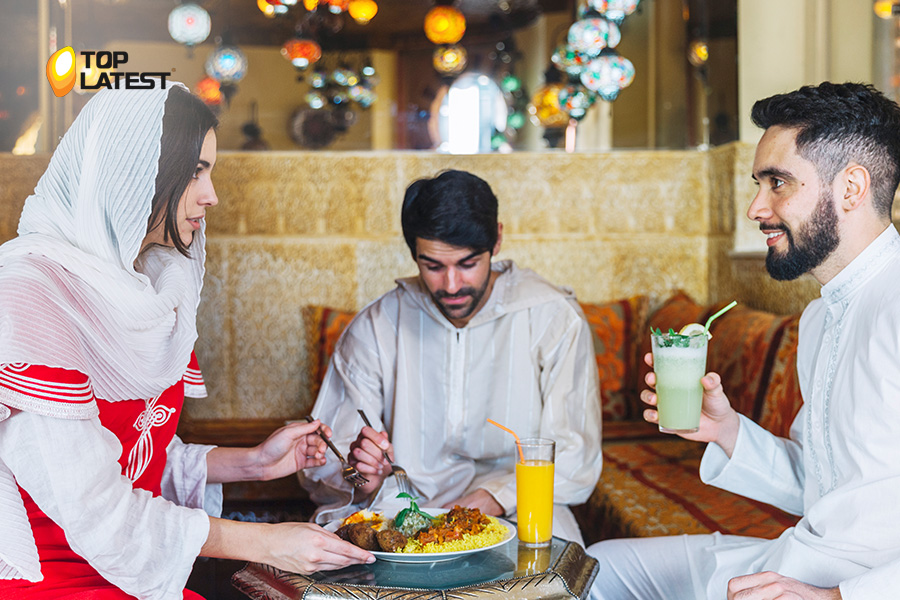
The second wave is the shared spread. Lay everything on the low table so guests can help themselves. A well received majlis table typically includes:
- Warm Arabic bread with a rotation of dips: hummus, moutabel, muhammara, and labneh finished with za’atar oil.
- Fattoush and tabbouleh salads for freshness and colour.
- Hot mezze such as grilled halloumi, kibbeh, and sambousek.
- A main platter such as machboos, mandi lamb, ouzi rice with slow roasted meat, or a chicken saloona.
- Fresh vegetables, pickles, and thick laban or yoghurt on the side.
If you want to lean into local dishes, our guide to the ultimate Emirati cookbook at home walks through fifteen UAE classics that suit exactly this style of gathering. For hosts wanting to understand the broader Arabic palette, our beginner’s guide to Levantine, Khaleeji, and Egyptian cuisine in the UAE is a useful primer for shaping the menu.
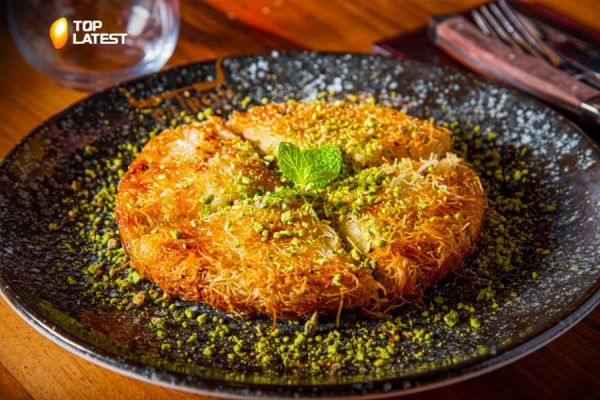
The third wave is dessert paired with a second round of gahwa or karak tea. Kunafa, luqaimat drizzled with date syrup, and a plate of baklava are reliable crowd pleasers. Fresh fruit and a small bowl of assorted nuts round the table.
Portion generously. Running short of food is considered poor hospitality in Arab tradition. It is better to send guests home with leftovers than to watch an empty platter sit in the middle of the room.
The Coffee and Bakhoor Ritual
Small details separate a good majlis from a memorable one. As the evening winds down, pass around a bakhoor burner or oud incense. Guests waft the fragrant smoke toward their clothes and hair. In tradition this is the cue that the gathering is drawing to a close, but done warmly it feels like a parting gift rather than a signal to leave.
Serve one more round of gahwa. Guests indicate they have had enough by gently shaking the empty finjan side to side as they return it. If you or a guest is unfamiliar with the gesture, a friendly explanation adds to the evening rather than taking away from it.
Music, Conversation, and Pacing
Play music at conversation volume. Oud instrumentals, classical Arabic vocals from Fairuz or Umm Kulthum, and modern Khaleeji artists all suit the mood. Avoid anything with heavy bass or fast tempo.
Resist the urge to entertain constantly. The majlis format assumes guests will drift between topics on their own. Your job is to keep coffee flowing, plates topped up, and the room comfortable. Sit down with them for long stretches. Rushing between kitchen and living room the whole evening breaks the very calm you are trying to create.
Making It Work in a Compact Dubai Apartment
The majlis format was built for flexibility, which is a real gift for anyone hosting in a Dubai studio or one bedroom. A few practical adjustments help the setup breathe in tighter square footage.
Rent or borrow extra cushions rather than buying them outright. Storage is scarce in most apartments, and cushions bought for a single evening tend to sit in closets afterward. Move dining chairs into the bedroom so they do not clutter the sight line from the door. If your kitchen opens directly onto the living room, drape a lightweight fabric divider to soften the transition and hide any prep in progress.
Prepare as much as possible in advance. Mezze, dips, salads, and desserts can all be plated hours ahead and covered in the fridge. On the night, you should only be reheating mains, arranging bread, and pouring coffee. Our overview of small apartment decor ideas for studios and one bedroom flats in Dubai Marina and JVC has useful guidance on multi purpose furniture and layout that pays off well beyond a single dinner.
Finally, brief your building. If you live in a tower with a strict guest policy, notify the concierge in advance and share the guest list so arrivals feel smooth for everyone. Book a couple of visitor parking bays if that applies to your community.
A Closing Note
A majlis dinner is not a themed evening. It is an invitation into a tradition that has shaped hospitality across the UAE for generations. Done with care, it turns a Dubai apartment into something warmer, deeper, and more personal than any restaurant booking. Your guests will remember the coffee ritual, the low table, the drift of bakhoor, and the fact that you took the time to build something for them.
Explore more home styling and lifestyle guides on toplatest.ae to keep shaping the space and the routines that suit how you actually want to live in the UAE.
Sources
- UNESCO Intangible Cultural Heritage of Humanity Lists
- Dubai Culture and Arts Authority
- Bayut Research Desk
- The National
- Sheikh Zayed Grand Mosque Centre Cultural Resources
Frequently Asked Questions
A majlis style dinner is a traditional Arab gathering built around low seating, generous shared food, and coffee served with ritual. Guests sit on floor cushions around a low central table rather than at a dining set. The pace is slower, the food is placed communally, and Arabic coffee bookends the evening. Unlike a standard dinner party focused on courses and plating, a majlis prioritizes togetherness, conversation, and hospitality rooted in Emirati cultural tradition.
A living room of around 200 to 300 square feet comfortably hosts eight to ten guests in a majlis setup. The format actually works better in compact Dubai apartments than formal dining does, because floor seating removes the need for chairs and a large table. Push existing sofas to the walls, clear the floor, layer a rug and cushions along two sides, and place a low table in the middle. Studios can host smaller groups of four to six.
Serve in three waves. Start with Arabic coffee and fresh dates when guests arrive. Follow with a shared spread of warm bread, dips like hummus and moutabel, salads such as fattoush, hot mezze including kibbeh and sambousek, and a main platter such as machboos, mandi, or ouzi. Finish with kunafa, luqaimat, and baklava alongside a second round of gahwa or karak tea. Portion generously, since abundance is central to Arab hospitality.
No. Traditional majlis gatherings in the UAE do not include alcohol, and Arabic coffee, karak tea, fresh juices, and laban are the classic beverages served throughout the evening. Keeping the drinks non alcoholic stays true to the cultural roots of the format and works for a wider mix of guests. If you would like to offer something extra, mocktails built on rose water, mint, pomegranate, and lime fit the palette beautifully.
You can build a convincing majlis for a modest outlay. A large affordable rug, six to eight floor cushions from IKEA or Home Centre, a low coffee table you likely already own, and a few brass lanterns from Karama or Souk Al Bahar cover the visual base. Add bakhoor, dates in a copper bowl, and a small speaker playing oud music. The tradition rewards warmth and intention far more than expensive styling or new furniture.