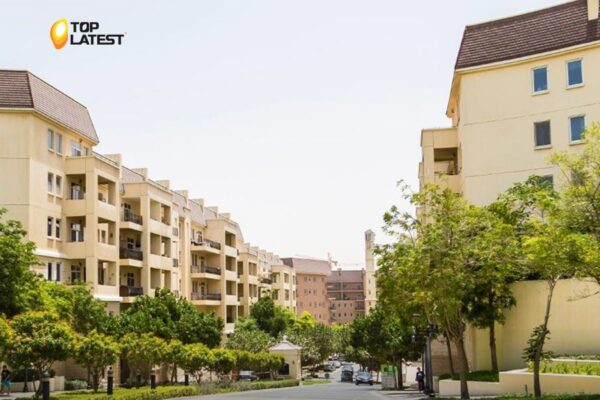
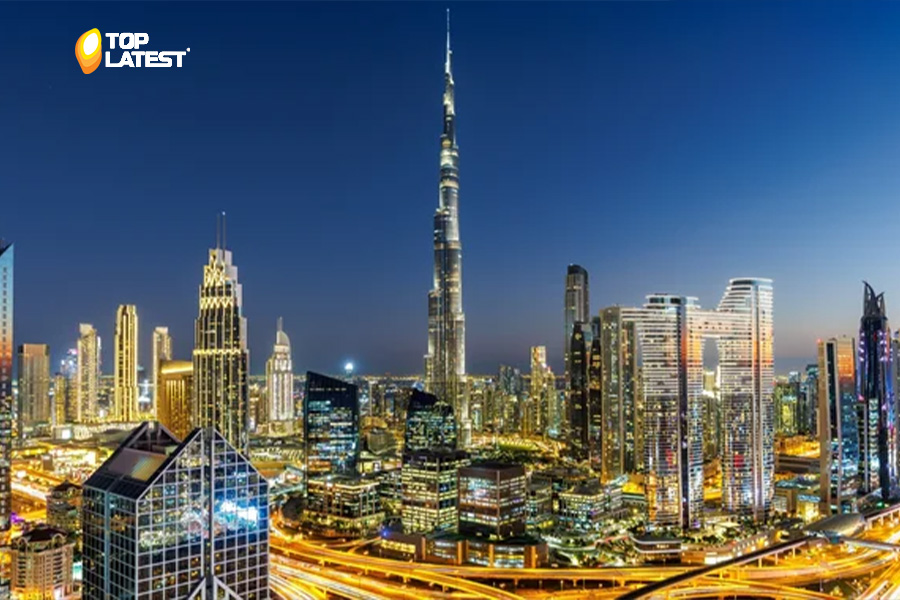
The real estate market in the United Arab Emirates has gone through a powerful growth cycle over the past few years, driven by strong investor confidence, population growth, and the country’s continued appeal as a global business and lifestyle hub. As the market moves into 2026, buyers and investors can expect continued momentum, but with more balance, selectivity, and segmentation than before. Rather than a one-directional surge, 2026 is shaping up to be a year where informed decisions matter more than speed.
A maturing market with steady growth
The overall outlook for the UAE real estate market in 2026 remains positive. Property values are expected to grow, but at a more sustainable pace compared to the rapid price increases seen earlier in the decade. The market is clearly maturing, with price performance increasingly dependent on location, property type, and long-term livability. This is a healthy shift, signaling stability rather than slowdown, and it favors buyers and investors who take a strategic approach rather than chasing short-term gains.
Residential demand remains strong
Residential real estate will continue to be the backbone of the market in 2026. Demand from expatriates, long-term residents, and international investors is expected to remain strong, supported by employment growth, flexible visa policies, and lifestyle-driven migration. End-users are becoming more prominent in the buyer mix, especially families looking for long-term homes, which adds resilience to the market even during periods of global uncertainty.
Rental market outlook for 2026
Rental prices are expected to continue rising in 2026, though at a slower and more controlled pace. After sharp rental hikes in previous years, the market is moving toward moderation. Villas and townhouses are likely to outperform apartments in terms of rent growth, driven by sustained demand for larger living spaces, privacy, and community-focused developments. Apartments in well-connected areas will still perform well, but locations with heavy new supply may see rents stabilise rather than surge.
Price trends by property type
Price performance in 2026 will vary noticeably by segment. Luxury properties, branded residences, and waterfront developments are expected to remain resilient, supported by limited supply and consistent demand from high-net-worth buyers. These properties are increasingly viewed as lifestyle assets and long-term stores of value.
Mid-market apartments, particularly in areas with multiple new project launches, may experience slower price appreciation. In some cases, prices could remain flat for short periods as supply catches up with demand. This creates opportunities for end-users to negotiate better deals and for long-term investors to enter at more reasonable price points.
Financing conditions and buyer behaviour
Mortgage conditions are expected to become gradually more attractive in 2026 as borrowing costs stabilise. This should encourage more end-users to enter the market, particularly first-time buyers who may have delayed purchases in earlier years. However, buyers are likely to remain cautious and selective, focusing on affordability, long-term value, and realistic repayment planning rather than stretching budgets.
Cash buyers and equity-backed investors will continue to play a key role, particularly in the luxury segment. Their presence helps underpin price stability even during periods of fluctuating financing conditions.
Regional performance across emirates
While Dubai will continue to dominate headlines due to transaction volumes and international visibility, other emirates are expected to gain further attention in 2026. Abu Dhabi is emerging as a strong long-term investment destination, supported by infrastructure development, cultural attractions, and growing residential communities.
Sharjah and Ras Al Khaimah are also becoming more attractive to buyers seeking affordability and higher rental yields. This broader geographic interest reflects a more diversified and mature national property market.
Supply pipeline and its impact
New project completions scheduled for 2026 will play a critical role in shaping price and rental trends. Areas with a large number of handovers may experience short-term pressure on prices and rents, especially in the apartment segment. However, well-planned communities with limited land availability and strong amenities are expected to absorb new supply more effectively.
For buyers, understanding upcoming supply in a target area will be essential. A property’s long-term value will depend not only on current pricing but also on how the surrounding neighborhood evolves over the next several years.
What buyers should focus on in 2026
Buyers in 2026 should prioritise quality, location, and long-term usability. Properties with good layouts, efficient service charges, reputable developers, and access to schools, transport, and retail will outperform those driven purely by speculative appeal. For end-users, buying with a five- to ten-year horizon will help smooth out short-term market fluctuations.
What investors should expect
For investors, 2026 is more about consistent income and sustainable appreciation than quick flips. Rental yields remain attractive by global standards, especially for villas and family-oriented communities. Investors who focus on tenant demand, property management quality, and realistic yield expectations are likely to see stable returns.
Final thoughts
The UAE real estate market in 2026 is best described as confident, selective, and opportunity-rich. Growth is expected to continue, but success will depend on informed decision-making rather than market timing alone. Buyers and investors who align their goals with the right property type, location, and holding period will be well positioned to benefit from the next phase of the UAE’s real estate evolution.