The UAE rental market in 2026 reflects a period of transition rather than dramatic spikes. After several years of rapid rent increases driven by population inflows, economic recovery, and global investor interest, the market is now showing more balanced and location-specific growth. Instead of uniform increases across the country, rent growth in 2026 is concentrated in particular cities and even specific neighborhoods within those cities. Understanding where and why rents are rising helps tenants, landlords, and investors make smarter decisions.
Dubai: Growth continues, but at a controlled pace
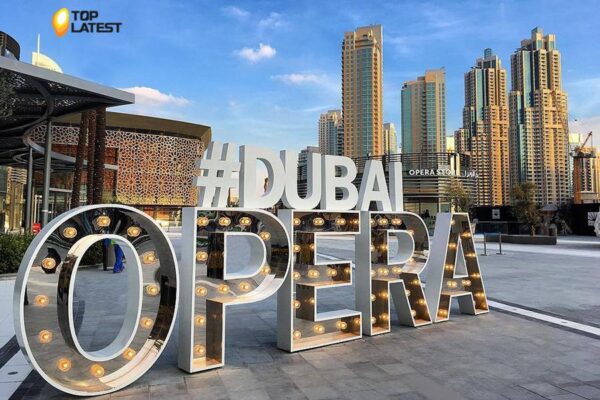
Dubai remains the most active and closely watched rental market in the UAE. In 2026, rents continue to rise, but the pace is more measured compared to the sharp increases seen earlier in the decade. Population growth, job creation, and Dubai’s position as a global business and lifestyle hub still support strong rental demand. However, the delivery of new residential projects has helped prevent extreme shortages in many areas.
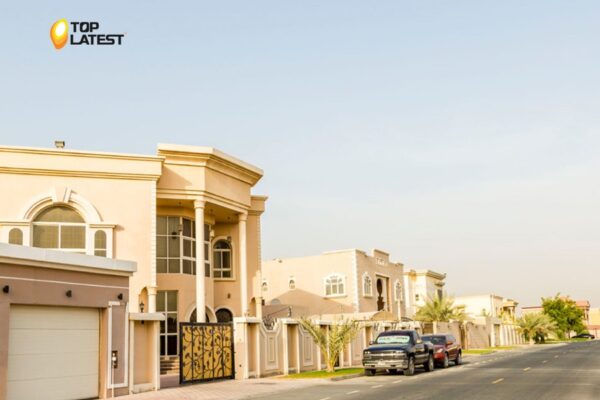
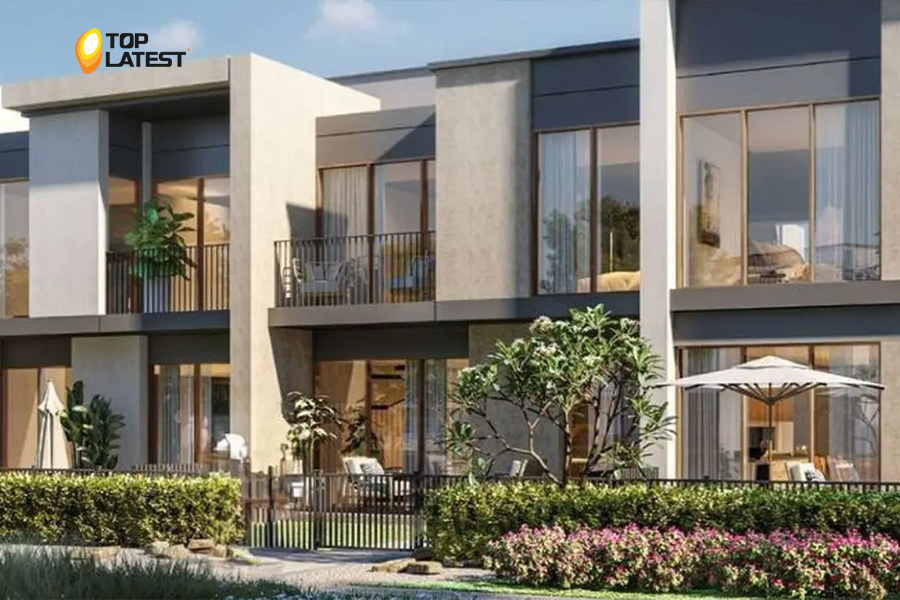
The highest rent growth in Dubai is concentrated in premium villa communities, family-friendly master developments, and waterfront locations. Areas offering proximity to business districts, quality schools, retail hubs, and leisure amenities continue to outperform the wider market. Apartments in older or less connected neighborhoods are seeing slower growth, highlighting how location and property quality now play a greater role than ever.
Abu Dhabi: One of the fastest-growing rental markets
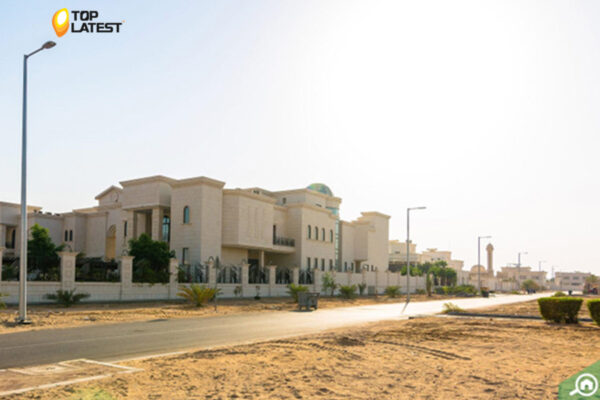
Abu Dhabi has emerged as a standout performer in the 2026 rental landscape. Increased government spending, infrastructure development, and long-term economic diversification strategies have boosted confidence in the capital. As more professionals and families relocate to Abu Dhabi for work and lifestyle reasons, demand for quality housing has increased significantly.
Neighborhoods with strong lifestyle appeal, such as island developments and waterfront communities, are recording some of the highest rental growth rates in the emirate. Compared with Dubai, Abu Dhabi has a more controlled supply pipeline, which has helped maintain upward pressure on rents in desirable areas. For tenants, this means fewer bargains in popular districts, while landlords are benefiting from higher occupancy and stronger renewals.
Sharjah: Rising demand from value-seeking renters
Sharjah continues to gain attention as a value-driven alternative to Dubai. In 2026, rent growth in Sharjah is steady rather than explosive, but certain areas are seeing notable increases. Improved infrastructure, newer residential projects, and proximity to Dubai’s employment hubs are attracting professionals who want more affordable housing without sacrificing connectivity.
The strongest rental growth in Sharjah is typically found in modern developments close to major highways and commercial zones. Family-sized apartments and well-managed buildings with parking and amenities are in particularly high demand. While overall rents remain lower than Dubai, the gap is narrowing in select neighborhoods.
Ras Al Khaimah: Emerging rental hotspot
Ras Al Khaimah is no longer just a holiday destination; it is increasingly viewed as a long-term residential and investment market. In 2026, the emirate is experiencing strong rental growth driven by tourism expansion, hospitality projects, and lifestyle-focused developments. These changes are drawing both expatriates and local residents seeking a quieter alternative to larger cities.
Rental growth is most visible in areas close to beaches, resorts, and new mixed-use developments. Limited supply in prime locations means landlords are able to command higher rents, particularly for well-furnished apartments and villas. For investors, Ras Al Khaimah offers a combination of rising rents and comparatively lower entry prices.
Ajman and other smaller emirates: Gradual but stable increases
Ajman and other smaller emirates are seeing gradual rental growth in 2026 rather than sharp increases. These markets tend to attract budget-conscious renters, small families, and individuals working in neighboring emirates. Rent growth is mainly driven by population spillover from Dubai and Sharjah, as well as incremental improvements in infrastructure and services.
While these cities may not top the charts for rent growth, they offer stability and affordability. Well-located properties close to transport routes and employment centers are performing better than average, especially where supply remains limited.
Key factors driving rent growth in 2026
Several factors explain why rent growth is uneven across the UAE. Population growth and job creation continue to support demand, but new supply has softened pressure in some markets. Lifestyle preferences have shifted toward larger homes, better amenities, and community living, pushing up rents in specific property types. Economic diversification and long-term residency initiatives have also encouraged more people to settle in the UAE, supporting sustained rental demand.
What this means for tenants and investors
For tenants, 2026 is a year where flexibility matters. Exploring emerging neighborhoods or considering nearby emirates can lead to better value and more negotiating power. For landlords and investors, success depends on focusing on quality, location, and long-term demand drivers rather than assuming blanket rent growth across all areas.
Conclusion
The UAE rental market in 2026 is defined by selective growth rather than broad-based increases. Dubai and Abu Dhabi remain leaders, but emerging cities like Ras Al Khaimah and parts of Sharjah are gaining momentum. As the market matures, understanding city-level and neighborhood-level trends is essential for making informed rental and investment decisions.