
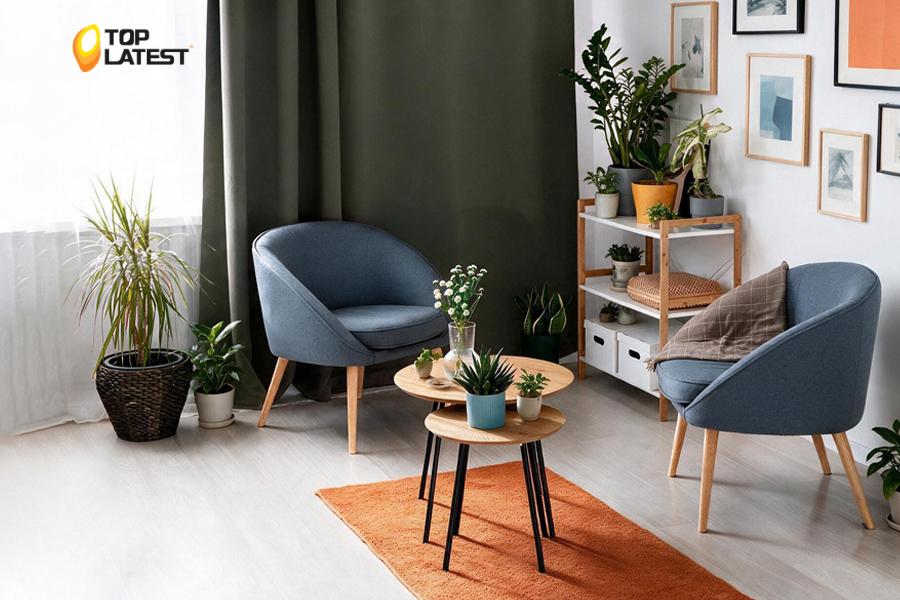
A studio in Dubai gives you something few global cities offer at the same price point: a well built tower address, a podium pool, a gym two floors down, and a commute measured in minutes. The trade off is that one room has to do the work of four. Sleeping, cooking, working, hosting, and storing all happen inside the same walls, usually across 350 to 650 square feet.
Studio design is also one of the most solvable problems in UAE interiors. The layouts repeat across buildings and the fixes are repeatable once you know them. This guide walks you through how to zone, light, furnish, and finish a Dubai studio so it feels calm and generous rather than compressed, and it does that within the rules that apply to rented apartments here.
Why Studio Living Is Gaining Ground Across Dubai
Studios are no longer treated as a starter compromise. They are a deliberate choice for young professionals, solo expats, frequent travellers, and owners who want a low maintenance base in a strong location. Bayut’s Dubai rental market report for the first half of 2026 recorded an overall rental increase of 4.25 percent in International City, supported by rising demand for studios and one bedroom apartments, which shows how steadily this segment is absorbed.
Part of the appeal is structural. A studio inside a well managed tower gives you shared amenities that would be out of reach in a standalone home at the same budget. Part of it is behavioural. Residents here spend much of the week outside the apartment, so the home functions as a rest and reset base rather than an all day environment.
Once you accept that framing, the design brief gets much clearer. You are not trying to compress a full house into one room. You are building an efficient base that supports sleep, focus, and recovery, with enough warmth that you actually want to spend a Friday morning in it.
Zoning First: The Move That Changes Everything Else
The difference between a studio that feels cramped and one that feels considered is rarely the furniture budget. It is whether the room reads as one undifferentiated box or as a set of purposeful areas. Your eye needs edges to settle on. Without them, a studio reads as clutter no matter how good the individual pieces are.
The Four Zones Worth Defining
Sleep, work, living, and entry. Place the sleep zone furthest from the front door and, where the layout allows, away from the kitchen line so cooking smells and appliance noise stay separated from rest. Give the work zone the best natural light, because screen fatigue drops sharply when daylight falls across the desk rather than behind the monitor. Let the living zone hold the middle of the room. Then carve out an entry zone of even half a square metre: a narrow console, a hook rail, a tray for keys and an Emirates ID. That small landing strip stops the whole apartment from becoming a drop point.
Boundaries do not need walls. A rug edge, a low open shelf turned side on, a shift in lighting temperature, or a single painted or panelled headboard wall will all read as a zone change. Many of the same principles that make a compact bedroom feel larger apply directly here, and our guide to making a small bedroom look bigger is a useful companion once you start planning the sleep corner.
Matching Zones to Your Square Footage
In compact studios of roughly 350 to 450 square feet, run three zones and fold the desk into the living area using a slim console that doubles as a dining surface. Between 450 and 550 square feet, four zones become comfortable, with an open backed shelving unit separating the bed from the living area without blocking light. Above 550 square feet, you can usually add a genuine two seat dining nook near the kitchen line and keep the sleeping area fully distinct.
The Decor Ideas With the Biggest Visual Payoff
These are ordered by impact. If you only complete the first three, the apartment will already feel transformed.
Layered Lighting
Almost every Dubai studio ships with the same problem: a single bank of ceiling downlights on one switch, throwing flat, cool white light across the whole room. Replacing that with three layers changes the space more than any furniture purchase. Keep the ceiling lights for cleaning and cooking, add a floor lamp or arc lamp for the living zone, and add a warm bedside or wall light for the sleep zone. Aim for a warm colour temperature around 2700 to 3000 kelvin in the evening layers. Plug in and clamp on fittings avoid any drilling. Rechargeable table lamps let you move light where you need it without adding cable runs.
Vertical Storage That Stops Below the Ceiling
Studios run out of floor long before they run out of wall. Tall, narrow storage in the 30 to 40 centimetre depth range holds a surprising amount while barely intruding into the room. Leave a visible gap of 20 to 30 centimetres between the top of the unit and the ceiling. That sliver of open space keeps the wall breathing and stops the storage from reading as a partition. Over door organisers, the space under the bed, and the inside of wardrobe doors are the three most underused storage surfaces in a typical studio.
Mirrors Placed Opposite the Glazing
One large mirror positioned to catch light from the balcony door will do more than several small decorative ones scattered around. Full height leaning mirrors work well because they need no fixings and can be moved when you do. Position the mirror so it reflects daylight and a view, not the kitchen sink or a cluttered counter.
Furniture That Earns Its Footprint
Every piece in a studio should do at least two jobs. Storage ottomans, a bed frame with drawers, nesting side tables, a wall mounted drop leaf table, and a sofa bed for visiting family all pull double duty. Choose legs over solid plinths wherever possible, since visible floor under furniture makes a room read as larger. Keep the tallest pieces against the wall the eye meets last, not the wall you face when you open the door.
Textiles That Soften Sound and Surface
Tower studios are full of hard surfaces: porcelain tiles, glass, painted plaster, laminate joinery. The result is an echo that makes a small room feel harsher than it is. A dense rug, floor length curtains hung wide and high, a few cushions, and a throw will absorb enough sound to change how the space feels within an afternoon. Curtains hung close to ceiling level and extended past the window reveal make the glazing look considerably larger than it is.
One Tight Material Palette
Limit yourself to three main colours and two or three material families across the entire studio. Continuity is what makes a single room feel deliberate rather than accumulated. Light neutrals on the large surfaces, one grounding mid tone, and one accent used sparingly is a reliable formula. If you enjoy pattern, concentrate it in a single area such as the rug or the bed textiles.
Designing Around Dubai Light, Heat, and Air Flow
Dubai daylight is intense and directional, and it shapes what works. West facing studios take strong afternoon glare, so a layered window treatment with a sheer inner curtain and a heavier outer curtain gives you both softened daylight and full blackout when you need it. Solar film on the glazing is often controlled by building management, so check with the owners association first.
Air conditioning outlets matter more than people expect. Never place the bed head directly under a supply vent, and keep tall storage clear of return grilles so airflow is not blocked. Humidity between May and September also affects material choice: solid wood and natural fibre rugs handle the cycle better than particle board that sits against an external wall. If your studio has a balcony, treat it as bonus square footage for eight months of the year, and our practical guide to balcony and rooftop decor for UAE summers covers how to make that space usable when temperatures climb.
Renter Friendly Choices That Protect Your Deposit
Most studio residents in Dubai are tenants, so the smartest decor decisions are reversible ones. Peel and stick wallpaper, removable adhesive hooks rated for the weight you need, tension rods, freestanding shelving, and clip on lighting all deliver visual change without a single drill hole. Where you do need fixings, agree them in writing with the landlord or property manager first, and keep the original fittings so the apartment can be returned to its handover condition.
Structural changes sit under a different set of rules. Partitions, joinery fixed to walls, and anything altering the layout fall within the Dubai Building Code administered by Dubai Municipality, and the same framework sets occupancy standards, including a minimum of five square metres of net living space per person. Studios also carry a documented occupancy limit under Dubai’s shared housing rules, which is worth knowing if you are considering sharing. For a broader set of reversible ideas, our renter friendly decor guide for UAE flats covers finishes, fixings, and quick wins in more detail.
Building the Studio in the Right Order
Sequencing your spend keeps the result coherent and stops you buying twice. Start with the bed and mattress, since sleep quality is the one thing a studio cannot compensate for. Move next to lighting, then storage, then the sofa or main seating, then rug and curtains, and leave art and accessories for last once you can see what the room actually needs.
Set a realistic total before you begin. A functional, well finished studio in Dubai is achievable within AED 12,000 to AED 25,000 depending on how much you buy new, and considerably less if you mix new anchor pieces with quality second hand finds from moving sales and community groups. Our guide to buying affordable furniture in the UAE maps out where the value sits across the major retailers and the lesser known suppliers.
Daily Habits That Keep a Studio Feeling Spacious
Design gets you most of the way. Habits hold the result. Keep horizontal surfaces at roughly 60 percent occupied, since visible surface area is what signals space to the eye. Give every category of item a fixed home so tidying takes minutes rather than an afternoon. Run a one in, one out rule on clothing, kitchenware, and decor. And reset the entry zone every evening, because a clear threshold sets the tone for how the whole apartment reads when you walk in.
Making Your Studio Work Harder for You
A well designed Dubai studio is not a smaller version of a larger home. It is a different product with its own logic: zoned rather than open, layered rather than flat lit, vertical rather than sprawling, and reversible rather than fixed. Get the zoning and lighting right, choose furniture that carries more than one job, and keep the palette tight, and 400 square feet will feel considerably more generous than the floor plan suggests.
If you are still deciding where to base yourself, explore more area guides, decor ideas, and property insights on toplatest.ae to shape your next step with confidence.
Sources
- Dubai Municipality, Dubai Building Code
- Bayut Research, Dubai Rental Market Report H1 2026
- Dubai Land Department, Smart Rental Index and Ejari Tenancy Registration Framework
- UAE Ministry of Interior, UAE Fire and Life Safety Code of Practice
- Dubai Electricity and Water Authority, Residential Consumption and Efficiency Guidance
Frequently Asked Questions
Zoning and lighting deliver the fastest visual gain. Define separate sleep, living, work, and entry areas using rugs, low open shelving, and lighting changes rather than partitions. Replace flat ceiling light with three warm layers, keep furniture on visible legs, and position one large mirror opposite the balcony glazing. Tall, narrow storage that stops short of the ceiling adds capacity without closing the room in, and holding the palette to three colours across the whole space reinforces the effect.
Most studio apartments in Dubai fall between 350 and 650 square feet, with the majority of newer tower stock sitting around 400 to 500 square feet. Older buildings in areas such as Deira and Al Nahda often offer slightly larger footprints, while premium waterfront towers tend toward compact, efficiently planned layouts. Balcony space is usually additional and can add meaningful usable area for much of the year, so layout efficiency often matters more than raw square footage.
Yes, and reversible choices work best. Peel and stick wallpaper, removable adhesive hooks, tension rods, freestanding shelving, and clip on lighting all change a space without drilling. Anything structural, including partitions or fixed joinery, falls under the Dubai Building Code and needs approval from the landlord and, where relevant, the building management. Keeping original fittings makes returning the apartment to handover condition straightforward, and written approval protects both parties at the end of the tenancy.
Pieces that serve two functions earn their place. Storage ottomans, beds with integrated drawers, nesting tables, wall mounted drop leaf dining surfaces, and sofa beds all reduce total footprint while adding capacity. Favour furniture on visible legs, keep depths shallow at around 30 to 40 centimetres for storage units, and place the tallest items along the wall your eye reaches last rather than the wall facing the entrance. Rechargeable lamps avoid extra cable runs entirely.
A complete, well finished studio setup typically ranges from AED 12,000 to AED 25,000 when buying mostly new, covering bed, mattress, seating, storage, lighting, rug, and curtains. Mixing new anchor pieces with quality second hand finds from moving sales and community groups can bring that figure down substantially. Sequencing purchases, starting with bed and lighting, helps you spread the cost without compromising the final result. Budget separately for curtain fitting and delivery charges.