The United Arab Emirates (UAE) has emerged as a global leader in innovation, and its vision for smart cities is reshaping the future of urban living. With a strong commitment to technology, sustainability, and economic diversification, the UAE is building cities that are not only intelligent but also highly efficient and livable.
From futuristic infrastructure to AI-powered governance, smart cities in the UAE are redefining how people interact with their environment. These developments are not just about convenience—they represent a long-term vision for sustainable and connected communities.
What Are Smart Cities?
A smart city uses advanced digital technologies such as artificial intelligence (AI), the Internet of Things (IoT), and big data to enhance urban living. These technologies help cities operate more efficiently by improving services like transportation, energy management, healthcare, and security.
In the UAE, smart cities are designed with a focus on innovation, sustainability, and human well-being. The goal is to create seamless, data-driven environments where residents enjoy a higher quality of life.
The UAE’s Vision for Smart Cities
The UAE government has taken a proactive approach to digital transformation. National initiatives and long-term strategies aim to position the country among the world’s most advanced nations.
Dubai and Abu Dhabi are at the forefront of this transformation. These cities are investing heavily in smart infrastructure, digital services, and sustainable development to create future-ready urban environments.
Key objectives of the UAE’s smart city vision include:
- Enhancing happiness and quality of life
- Promoting sustainable living
- Boosting economic growth through innovation
- Improving government efficiency
Leading Smart City Projects in the UAE
Dubai Smart City
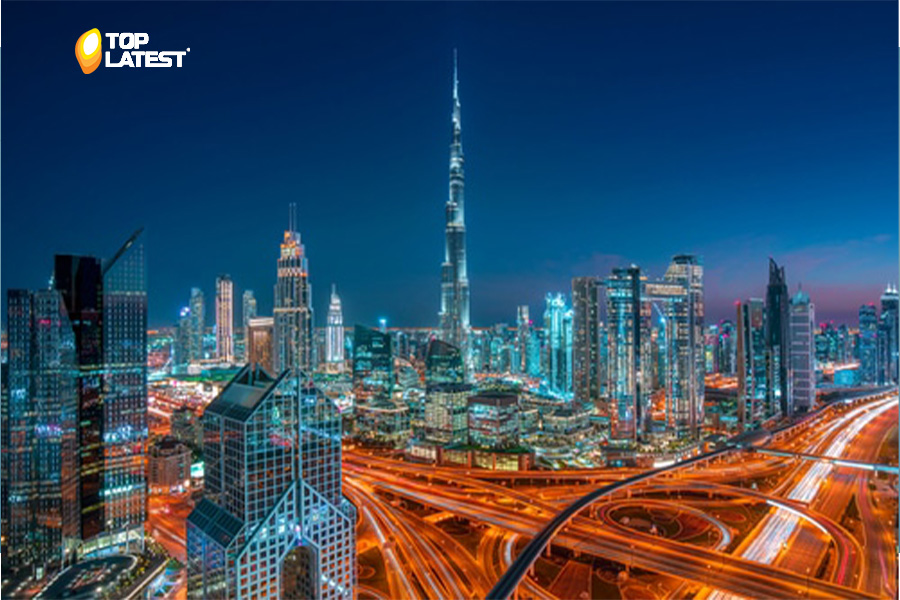
Dubai is widely recognized as one of the most advanced smart cities in the world. Its smart city initiative focuses on integrating technology into every aspect of urban life.
Key features include:
- Fully digital and paperless government services
- AI-powered public systems
- Smart traffic and mobility solutions
- Blockchain-based transactions
Dubai’s ambition is to become the smartest and happiest city globally, where technology simplifies everyday life for residents and businesses.
Masdar City, Abu Dhabi
Masdar City is a groundbreaking example of sustainable urban development. It was designed as a low-carbon city that relies heavily on renewable energy sources.
Highlights of Masdar City include:
- Solar-powered infrastructure
- Energy-efficient buildings
- Electric and autonomous transportation
- Minimal environmental impact
This project serves as a global model for eco-friendly urban planning.
The Sustainable City (Dubai)
The Sustainable City is a community designed with environmental responsibility at its core. It combines modern living with green practices to create a balanced lifestyle.
Key elements include:
- Solar-powered homes
- Car-free zones and eco-friendly transport
- Urban farming and green spaces
- Advanced recycling systems
It demonstrates how sustainability can be integrated into everyday living.
Expo City Dubai
Built on the legacy of Expo 2020, Expo City Dubai represents a futuristic vision of urban living. It combines innovation, sustainability, and smart technology in a single ecosystem.
Features include:
- Smart mobility systems
- Clean energy solutions
- Advanced digital infrastructure
- Innovation-driven business hubs
Expo City is designed to be a hub for collaboration, creativity, and sustainable growth.
Smart Infrastructure in Abu Dhabi
Abu Dhabi is also advancing rapidly with smart city initiatives. The focus is on integrating IoT and AI into urban systems to improve efficiency and reduce resource consumption.
Examples include:
- Smart street lighting
- Intelligent traffic systems
- Real-time data monitoring
- Automated waste management
These innovations are helping create a more responsive and efficient urban environment.
Technologies Driving Smart Cities
Smart cities in the UAE are powered by a combination of advanced technologies that work together seamlessly.
Artificial Intelligence (AI)
AI enables predictive decision-making, automation, and enhanced service delivery. It is used in areas like traffic control, healthcare, and public safety.
Internet of Things (IoT)
IoT devices collect and share real-time data from connected systems. This helps optimize energy use, manage traffic, and monitor infrastructure.
Blockchain
Blockchain technology ensures secure and transparent transactions, particularly in government services and digital identity systems.
Big Data Analytics
Data analytics helps authorities make informed decisions, improve planning, and enhance city operations.
Smart Mobility
Innovative transportation systems, including autonomous vehicles and smart traffic management, are transforming how people move within cities.
Smart Mobility: The Future of Transportation
Transportation is a major focus of smart city development in the UAE. The country is investing in advanced mobility solutions to improve efficiency and reduce environmental impact.
Key developments include:
- Autonomous vehicles and taxis
- Electric and hybrid transport systems
- Smart traffic management
- Integrated public transport networks
These solutions aim to reduce congestion, lower emissions, and provide seamless travel experiences for residents.
Sustainability at the Core
Sustainability is a central pillar of smart cities in the UAE. Urban developments are designed to minimize environmental impact while maximizing efficiency.
Key sustainability initiatives include:
- Adoption of renewable energy sources
- Energy-efficient buildings and infrastructure
- Smart water management systems
- Waste reduction and recycling programs
Projects like Masdar City and The Sustainable City highlight the UAE’s commitment to green living and environmental responsibility.
Benefits of Smart Cities
Smart cities offer numerous advantages that enhance both individual lifestyles and overall urban functionality.
Improved Quality of Life
Residents benefit from better healthcare, education, transportation, and public services.
Economic Growth
Smart cities attract global investors, startups, and technology companies, boosting economic development.
Environmental Protection
Reduced carbon emissions and efficient resource management contribute to a cleaner environment.
Efficient Governance
Digital platforms enable faster, more transparent government services.
Enhanced Safety
Smart surveillance and AI-driven systems improve public safety and emergency response.
Challenges in Smart City Development
Despite the progress, there are challenges associated with building smart cities:
- High infrastructure and implementation costs
- Data privacy and cybersecurity concerns
- Integration with existing urban systems
- Need for skilled professionals
However, the UAE continues to address these challenges through innovation, policy development, and strategic investments.
The Future of Urban Living in the UAE
The future of smart cities in the UAE is incredibly promising. With continuous advancements in technology, cities will become even more intelligent and sustainable.
Emerging trends include:
- Fully autonomous transportation systems
- AI-driven urban planning
- Smart healthcare ecosystems
- Drone deliveries and air mobility
- Expansion of net-zero energy communities
These developments will further enhance the UAE’s position as a global leader in smart urban innovation.
Sources
- Smart Dubai (Digital Dubai Authority)
- Masdar (Abu Dhabi Future Energy Company)
- UAE Ministry of Cabinet Affairs – UAE Centennial 2071 / UAE Vision
- Roads and Transport Authority (RTA), Dubai
- Expo City Dubai Authority