
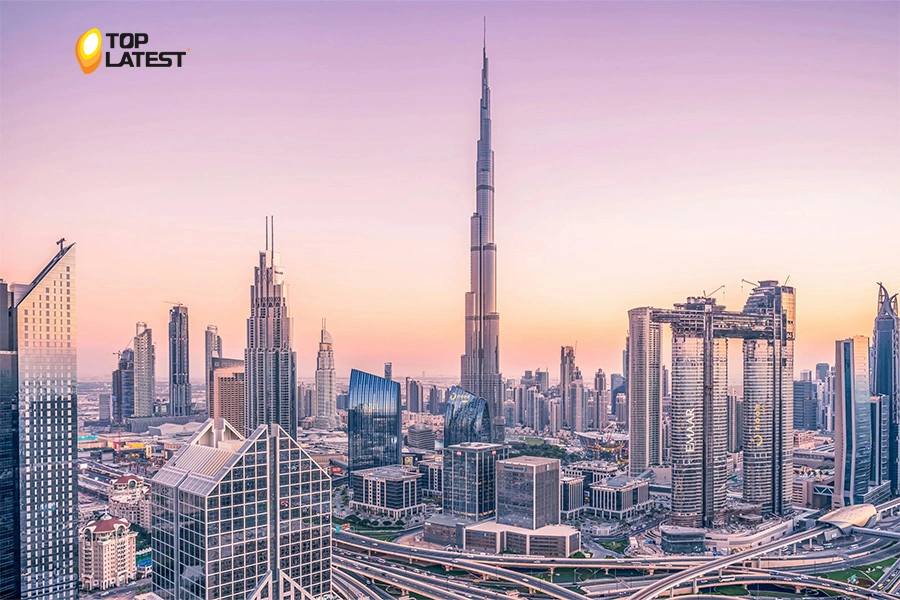
Dubai is one of the most attractive destinations in the world for expats. The promise of tax-free salaries, year-round sunshine, world-class infrastructure and a cosmopolitan lifestyle draws thousands of professionals every year. But once you land, reality can look quite different from the glossy brochures and Instagram reels. Here is what seasoned expats wish someone had told them before they made the move.
The Cost of Living Is Higher Than You Think
Yes, there is no income tax. That part is true. But many first-time expats assume this means they will automatically save more money. What catches people off guard is how quickly the cost of living adds up. Rent alone can consume 30 to 40 percent of your salary, especially if you want to live in popular areas like Dubai Marina, Downtown or JBR. On top of that, schooling for children is entirely private and can cost anywhere from AED 20,000 to over AED 100,000 per year depending on the curriculum. Groceries, dining out, gym memberships and car payments all add up faster than expected. The golden rule most expats learn the hard way: negotiate your salary based on what you will actually spend in Dubai, not based on what you earned back home.
Housing Works Differently Here
One of the biggest shocks for newcomers is the rental system. In many cases, landlords expect rent to be paid in one to four cheques for the entire year. If you are used to monthly payments, this can be a serious financial adjustment. You also need to budget for a security deposit, an agency fee and DEWA (Dubai Electricity and Water Authority) connection charges before you even move in. Another thing worth knowing is that your rental contract is governed by RERA (Real Estate Regulatory Authority), which regulates how much landlords can increase rent each year. Understanding your rights as a tenant early on can save you from unpleasant surprises.
The Weather Is No Joke
Most people know Dubai is hot. But knowing it and living through a summer where temperatures cross 45 degrees Celsius with suffocating humidity are two very different things. From June to September, outdoor life essentially shuts down during the day. Walking from a parking lot to a mall entrance can leave you drenched in sweat. Expats quickly learn that summer is the season for indoor activities, staycation deals and escaping to cooler destinations. The good news is that winter, roughly from November to March, is genuinely beautiful with mild temperatures and clear skies. Planning your year around the seasons becomes second nature.
Networking Is Everything
Dubai runs on relationships. Whether you are looking for a job, a business opportunity, a reliable plumber or even a good school for your kids, knowing the right people matters more than in most places. Expats who thrive here are the ones who actively put themselves out there. Attend industry events, join community groups on Facebook and WhatsApp, and say yes to social invitations even when you are exhausted. The expat community in Dubai is large and surprisingly welcoming, but it takes effort to break in. People come and go constantly, which means friendships can feel transient. Building a solid circle takes time and intentionality.
Visa and Employment Rules Are Strict
Your right to live in Dubai is tied directly to your employment or business visa. If you lose your job, you typically have a limited grace period to find new employment or leave the country. This can create a sense of vulnerability, especially for those who uproot their families for a role. It is essential to understand your visa terms, notice period and end-of-service gratuity entitlements before signing any contract. Many expats recommend keeping an emergency fund that covers at least three to six months of expenses, just in case things do not go as planned.
Cultural Sensitivity Goes a Long Way
Dubai is remarkably tolerant and multicultural compared to many places in the region. But it is still important to respect local customs and laws. During Ramadan, eating, drinking or smoking in public during daylight hours is not permitted, and this applies to everyone regardless of religion. Public displays of affection can attract fines. Dress codes at malls and public spaces are generally relaxed, but government offices and cultural sites expect modest clothing. Most expats find that showing genuine respect for Emirati culture and traditions opens doors and earns goodwill in both personal and professional settings.
Healthcare Is Good but Not Always Simple
Dubai has excellent hospitals and clinics, and health insurance is mandatory for all residents. However, not all insurance plans are created equal. Many basic employer-provided plans come with limited coverage, high co-pays or restricted hospital networks. Expats with families often find that dental, maternity and specialist treatments require upgraded plans that can be expensive. It is worth negotiating comprehensive health coverage as part of your employment package rather than relying on the minimum required plan.
The Transient Nature of Expat Life
Perhaps the thing most expats wish they had been truly prepared for is how transient life in Dubai can feel. People arrive with big plans, stay for a few years and then move on. Close friends relocate. Colleagues shift to other markets. Children change schools. This constant cycle of arrivals and departures can be emotionally draining, especially for families. Long-term expats often say the key to happiness here is accepting that change is the only constant and learning to embrace it rather than resist it.
sources
Real Estate Regulatory Agency (RERA)
Dubai Electricity and Water Authority (DEWA)
Dubai Health Authority (DHA)
Knowledge and Human Development Authority (KHDA)
Federal Authority for Identity, Citizenship, Customs and Port Security (ICP)