
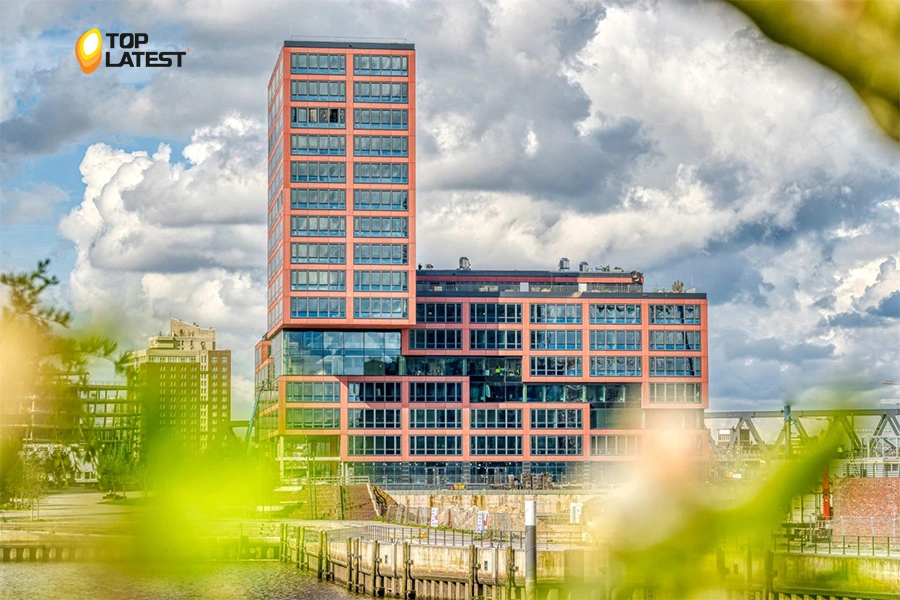
The UAE has always been a step ahead when it comes to redefining how people live and work. From the towering skyscrapers of Dubai to the innovation hubs of Abu Dhabi, the country thrives on forward thinking urban development. Now, a new real estate trend is reshaping the landscape: the rise of coworking and co living spaces. These flexible, community driven models are not just a passing phase. They represent a fundamental shift in how the UAE approaches urban real estate.
Why Coworking and Co Living Are Gaining Ground in the UAE
The UAE is home to one of the most diverse expatriate populations in the world. Professionals from over 200 nationalities live and work across the Emirates, and a large percentage of them are young, mobile, and entrepreneurial. Traditional office leases and long term residential contracts do not always align with the lifestyles of freelancers, remote workers, startup founders, and digital nomads who now make up a growing share of the workforce.
Coworking spaces offer flexible desk and office solutions without the burden of multi year leases, fit out costs, or administrative overhead. Co living spaces, on the other hand, provide fully furnished, community oriented housing with shared amenities, short term contracts, and all inclusive pricing. Together, they address a critical gap in the market: the need for affordable, flexible, and socially connected spaces in some of the world’s most expensive cities.
The Business Case for Coworking in the UAE
The coworking industry in the UAE has seen explosive growth over the past few years. Dubai alone hosts hundreds of coworking facilities, ranging from boutique creative studios to large scale enterprise grade campuses. Abu Dhabi, Sharjah, and Ras Al Khaimah are also seeing increased activity in this segment.
Several factors are driving this growth. First, the UAE government has introduced freelance visas, virtual company licenses, and free zone incentives that make it easier than ever for independent professionals and small businesses to operate. These regulatory reforms have created a massive pool of potential coworking tenants who need professional workspaces but do not want or need a traditional office.
Second, large corporations are also embracing coworking. Many multinational companies now use coworking memberships for satellite teams, project based units, or employees who prefer hybrid work arrangements. This shift has pushed coworking operators to offer enterprise solutions alongside individual memberships, creating a more diversified and resilient business model.
Third, the post pandemic emphasis on flexibility has permanently changed workplace expectations. Businesses across the UAE now prioritize agility, and coworking spaces deliver exactly that. Whether a company needs five desks for three months or fifty desks for a year, coworking operators can accommodate without the friction of conventional leasing.
Co Living: A New Chapter in UAE Residential Real Estate
While coworking has been in the spotlight for several years, co living is a relatively newer concept in the UAE. But it is catching on fast. Co living developments combine private bedrooms or micro apartments with shared kitchens, lounges, gyms, coworking areas, and social spaces. Residents pay a single monthly fee that covers rent, utilities, Wi-Fi, cleaning, and access to community events.
For young professionals arriving in the UAE, co living removes the stress and cost of setting up a home from scratch. There is no need to deal with DEWA deposits, furniture shopping, or finding flatmates on social media. Everything is handled, and the community aspect helps newcomers build a social network quickly.
Developers and investors are paying close attention. Co living properties tend to deliver higher yields per square foot compared to traditional residential units because of their efficient use of space and higher occupancy rates. In a market where rental yields are a key performance metric, co living offers a compelling proposition for real estate investors.
Dubai has already seen several co living projects launch in areas like JVC, Business Bay, and Dubai Marina. Abu Dhabi and Sharjah are expected to follow as demand from young professionals and budget conscious tenants continues to rise.
The Convergence of Work and Living Spaces
What makes this trend even more significant is the convergence of coworking and co living under one roof. A growing number of developments in the UAE are being designed as integrated live work communities. Residents can wake up, walk to a shared coworking floor, collaborate with fellow professionals, and return to their private living space without ever leaving the building.
This model appeals to digital nomads, startup teams, and creative professionals who value convenience and community. It also aligns with the UAE’s broader vision of building smart, sustainable cities where people spend less time commuting and more time being productive.
Integrated live work spaces also contribute to neighborhood level economic activity. Retail outlets, cafes, and wellness facilities within these developments benefit from a built in customer base, creating vibrant micro communities within larger urban areas.
What This Means for the Future of UAE Real Estate
The rise of coworking and co living is not a threat to traditional real estate. It is an evolution. Developers who adapt to this shift will find new revenue streams and stronger tenant retention. Those who ignore it risk losing relevance in a market that increasingly values flexibility over permanence.
Government support is also playing a crucial role. UAE authorities have shown a willingness to update zoning laws, licensing frameworks, and building codes to accommodate mixed use and flexible space developments. This regulatory openness gives operators and investors the confidence to commit capital to coworking and co living projects.
Looking ahead, technology will further transform these spaces. AI powered building management, smart access systems, app based community platforms, and data driven space optimization will make coworking and co living environments even more efficient and personalized.
sources
UAE Ministry of Human Resources and Emiratisation (MOHRE)
Dubai Department of Economy and Tourism (DET)
Federal Authority for Identity, Citizenship, Customs and Port Security (ICP)
JLL MENA
Knight Frank