International City is one of Dubai’s most familiar names and one of its most misread communities. Most outsiders associate it with cheap studios and the Dragon Mart sign on Al Awir Road. The deeper story is more interesting. Behind the colour-coded clusters sits a Nakheel master plan inspired by Middle Eastern carpet design, a working trade ecosystem feeding GCC and African markets, freehold ownership rights for foreign investors, and ongoing infrastructure shifts that are quietly changing how the area sits in Dubai’s wider residential map. Here are five facts that change how renters, buyers, and investors should actually read this neighbourhood.
1. The layout was inspired by traditional Middle Eastern carpets
International City was launched by Nakheel in 2004 and spans roughly 800 hectares in the Al Warsan area of Dubai. The master plan is not random. Its arrangement of ten country-themed clusters, namely China, Persia, Russia, Greece, Spain, France, Italy, Morocco, England, and Emirates, is inspired by the geometric structure of traditional Middle Eastern carpets, with each cluster forming a distinct panel within the larger weave.
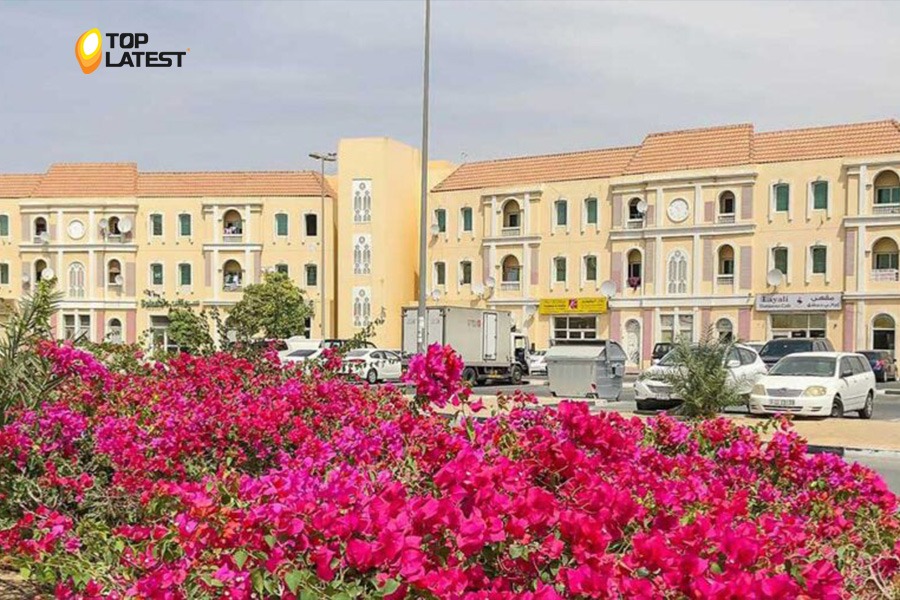
Each cluster carries architectural signals from its namesake country. England Cluster references low-rise London terrace styling. France Cluster uses tall windows, red and grey brick detailing, and pilasters. Spain and Italy Clusters lean on stucco façades and Mediterranean colour palettes. Persia and Morocco Clusters use arches and earth-tone tiling.
For renters and buyers, the cluster is the unit of analysis, not the building. Maintenance standards, parking pressure, walkability to Dragon Mart, and resale demand vary noticeably from one cluster to the next. Listings should be filtered by cluster before any serious viewing schedule is built.
2. Dragon Mart anchors a working trade ecosystem, not just a mall
Dragon Mart sits beside International City and is widely described as the largest Chinese trading hub outside mainland China. The complex stretches roughly 1.2 kilometres in a dragon-shaped layout and houses over 6,000 shops and kiosks across Dragon Mart 1 and Dragon Mart 2, drawing close to 40 million visitors annually. According to coverage in The National, Nakheel has reported around 120,000 visitors a day at Dragon Mart, a roughly sixfold rise from the volumes recorded in 2010. The National
This trade gravity directly shapes International City’s tenant profile. A meaningful share of residents work in import, export, wholesale, e-commerce fulfilment, and small-business retail tied to Dragon Mart’s supply chains. The China Cluster, in particular, has developed into a residential and commercial centre for Dubai’s Chinese community, with regional Chinese restaurants, grocery stores, and service businesses operating alongside residential blocks.
For investors, the takeaway is structural rather than seasonal. Rental demand here is anchored to a functioning cross-border trade economy. That is one reason occupancy in studio and one-bedroom units tends to stay firm even when other affordable Dubai communities see softer cycles.
3. Forever Rose City and Al Warsan Lakes sit hidden in plain sight
International City quietly hosts attractions that most residents of other Dubai districts never bother to visit. The Forever Rose City building inside the development houses a private museum dedicated to the world’s largest infinity rose installation, an unexpected cultural feature inside an otherwise affordable residential area. The Dubai Central Vegetable and Fruit Market, one of the emirate’s main wholesale food distribution sites, sits directly adjacent and feeds restaurants and grocery chains across the city.
Less than ten minutes away, the Al Warsan Lakes have become a documented wintering site for migratory birds, including flamingos. Photographers and birdwatchers from across Dubai visit the lakes between November and March, often without realising they are within the same postcode as a budget housing community.
These are not headline tourist landmarks. They matter because they explain something competitor guides routinely miss. International City is not a sterile dormitory area built only for cost-driven tenancy. It has texture, working trade infrastructure, food logistics, and an unusual layer of cultural and ecological points, all of which support stable demand from a wider tenant base than the rental price band alone would suggest.
4. It is freehold, with one of the lowest entry prices in Dubai
International City sits within a designated freehold zone in Dubai. Eligible foreign nationals can purchase apartments outright and receive a title deed registered with the Dubai Land Department, with no expiry on ownership rights and no requirement for a local sponsor.
Entry prices remain among the lowest for freehold apartments in Dubai. Studios frequently transact in a range that opens the market to first-time investors who would otherwise be limited to off-plan launches in outer locations. Reported gross rental yields have historically held in the higher single digits, although service charges, cluster condition, and tenancy turnover should always be verified through actual transaction records before committing.
This positioning matters when comparing options across the wider UAE. A studio here and a comparable property for sale in abu dhabi at a similar price point usually represent different strategies. International City in Dubai typically leads on rental yield, while certain Abu Dhabi districts compete more on capital appreciation, longer tenancy stability, and family-led demand. For a deeper area-level read, see TopLatest’s housing guide for International City.
5. The area is still expanding, with improving connectivity
International City is not finished. The development was always planned in phases, and Nakheel has progressively expanded the footprint to include the Central Business District, Lake District, and adjacent residential extensions in the wider Al Warsan zone. New mid-rise residential launches in and around the community continue to be added to the Dubai supply pipeline.
Connectivity is also evolving. The area sits along Al Awir Road with direct access to Sheikh Mohammed Bin Zayed Road, placing Downtown Dubai, Dubai International Airport, and key industrial zones within a manageable commute. Bus links connect residents to multiple metro stations across the network, and longer-term transit planning continues to be a topic of public discussion in Dubai’s urban roadmap.
For tenants searching for a property for rent in uae at a budget-conscious price point without sacrificing access to working Dubai, International City still presents one of the most defensible value propositions in the market. For wider rental context, see TopLatest’s overview of popular renting areas in Dubai.
Frequently Asked Questions
Is International City a good place to live in Dubai?
International City suits singles, young couples, and small families looking for affordable rentals with reasonable access to central Dubai. Supermarkets, clinics, and direct connections to Sheikh Mohammed Bin Zayed Road are all in place. Cluster choice matters. Persia, Morocco, and Spain tend to feel more residentially settled, while China Cluster carries higher footfall due to Dragon Mart proximity. Visit at peak hours before committing, and check parking pressure for your specific cluster.
Can foreigners buy property in International City Dubai?
Yes. International City is part of Dubai’s designated freehold zones, which means eligible foreign nationals can purchase apartments outright and receive a title deed from the Dubai Land Department with no expiry on ownership. Studios and one-bedroom units make up most of the supply, and entry prices remain among the lowest for freehold apartments across Dubai. Buyers should still review service charges, building condition, and cluster-level transaction history before committing to any unit.
What is the average rental yield in International City?
Reported gross rental yields in International City have historically sat in the higher single digits for studios and one-bedroom apartments, which is competitive against more expensive Dubai communities. Actual net yield depends on service charges, occupancy stability, and any maintenance backlog within the specific building. Investors should pull recent transaction data from Dubai Land Department records and benchmark cluster-by-cluster rather than relying on community-wide averages, since yields differ noticeably between China, Persia, and other clusters.
How far is International City from Downtown Dubai and the airport?
International City is positioned along Al Awir Road with quick links to Sheikh Mohammed Bin Zayed Road. Downtown Dubai is typically reachable in around twenty to thirty minutes outside peak traffic, while Dubai International Airport sits within a comparable drive time. The community is not directly served by a metro station, but multiple bus routes connect residents to metro stops across the wider network. Commute timing depends heavily on hour of travel and chosen exit route.
Why is International City so closely associated with Dragon Mart?
Dragon Mart sits directly beside International City and operates as the largest Chinese trading hub outside mainland China, with thousands of shops, wholesale showrooms, and logistics operators serving GCC, African, and wider regional markets. Many International City residents work in industries tied to this trade ecosystem, including import, export, e-commerce fulfilment, and small-business retail. The proximity is not coincidental. Both developments were planned together by Nakheel, which is why their commercial and residential demand patterns remain so closely linked.
Sources
- Nakheel
- The National
- Dubai Land Department (DLD)
- Dragon Mart
- Dubai Municipality