The UAE has established itself as one of the most dynamic real estate markets in the world. Known for its investor-friendly policies, tax advantages, and futuristic developments, the country continues to attract global attention. As we approach 2030, the real estate sector in the UAE is expected to undergo significant transformation driven by innovation, sustainability, and shifting market demands.
For investors, understanding these upcoming changes is essential to making informed and profitable decisions. This blog explores the key trends that will shape the future of real estate in the UAE and what investors should expect by 2030.
Continued Market Growth and Stability
The UAE real estate market is expected to maintain strong growth over the coming years. With a diversified economy and consistent government support, the sector is moving toward long-term stability rather than short-term speculation.
Major factors driving this growth include:
- Economic diversification beyond oil
- Increasing foreign investment
- Business-friendly regulations
- Continuous development of infrastructure
For investors, this means a more mature market with predictable returns and reduced volatility compared to earlier years.
Population Growth and Rising Housing Demand
One of the biggest drivers of real estate demand in the UAE is its rapidly growing population. The country continues to attract expatriates, entrepreneurs, and skilled professionals from across the globe.
As the population grows:
- Demand for residential properties will increase
- Rental markets will remain strong
- New communities will continue to develop
This demand will not be limited to luxury housing. There will be significant growth in mid-range and affordable housing, offering new opportunities for investors targeting long-term rental income.
Evolution of Property Price Trends
By 2030, property prices in the UAE are expected to show steady growth, especially in well-developed and strategically located areas. However, the market will likely experience periodic corrections.
This shift reflects a more balanced real estate environment where:
- Prices grow sustainably
- Oversupply is managed more effectively
- Investors focus on long-term gains rather than quick profits
For investors, this means the importance of careful planning and patience. Timing the market will be less effective than choosing the right property and holding it for long-term value.
Rise of Affordable and Mid-Segment Housing
The UAE real estate market has traditionally been associated with luxury developments. However, the future points toward a growing demand for affordable and mid-income housing.
This trend is driven by:
- An expanding middle-class population
- Increasing cost of living
- Demand from young professionals and families
Affordable housing offers several advantages:
- Higher rental yields
- Lower vacancy rates
- Consistent demand
Investors who diversify into this segment are likely to benefit from stable and reliable returns.
Smart Cities and Technological Advancements
Technology will play a central role in shaping the future of UAE real estate. The country is already moving toward becoming a global leader in smart city development.
Key technological trends include:
- Smart homes with automation systems
- Artificial intelligence in property management
- Blockchain for secure and transparent transactions
- Virtual tours and digital property buying
These innovations will enhance the overall real estate experience for buyers, tenants, and investors.
Properties equipped with modern technology will:
- Attract higher demand
- Command premium prices
- Offer better long-term value
Sustainability and Green Living
Sustainability is becoming a core focus in the UAE’s real estate sector. By 2030, environmentally friendly developments will dominate the market.
Developers are increasingly incorporating:
- Energy-efficient designs
- Renewable energy solutions
- Green building certifications
- Sustainable construction materials
Government initiatives supporting sustainability will further accelerate this trend.
For investors, green properties will:
- Attract eco-conscious tenants and buyers
- Maintain higher resale value
- Align with global ESG investment standards
Emerging Investment Hotspots
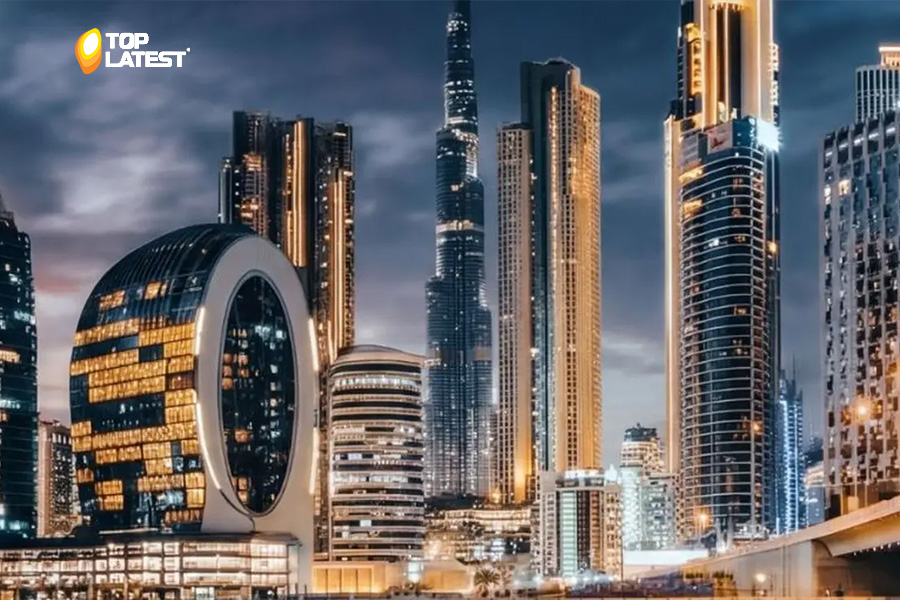
While established areas like Downtown Dubai and Palm Jumeirah will remain popular, new investment hotspots are emerging across the UAE.
These areas are driven by:
- Infrastructure expansion
- New transport networks
- Large-scale development projects
Emerging locations often offer:
- Lower entry prices
- Higher capital appreciation potential
- Strong rental demand
Investors who identify these areas early can benefit from significant long-term gains.
Government Policies and Foreign Investment
The UAE government continues to introduce policies that support real estate growth and attract foreign investors.
Key initiatives include:
- Long-term residency visas
- Business-friendly regulations
- Simplified property ownership laws
These policies enhance investor confidence and make the UAE an attractive destination for global capital.
As a result:
- International demand for property will remain strong
- The market will continue to expand
- Investment opportunities will diversify
Changing Buyer Preferences
The next generation of property buyers will significantly influence the market by 2030. Millennials and Gen Z are expected to dominate real estate demand.
Their preferences include:
- Smart and connected homes
- Sustainable living environments
- Flexible and community-oriented spaces
Developers and investors must adapt to these changing expectations to remain competitive.
Infrastructure Development and Mega Projects
The UAE is known for its ambitious infrastructure projects, and this trend will continue in the coming years.
Ongoing and future developments include:
- Advanced transportation systems
- Tourism and entertainment hubs
- Integrated mixed-use communities
Such projects increase property value and enhance connectivity, making surrounding areas more attractive for investment.
Infrastructure remains one of the strongest indicators of future real estate growth in the UAE.
Risks and Challenges to Consider
Despite its strong outlook, the UAE real estate market is not without risks.
Investors should be aware of:
- Potential oversupply in certain segments
- Global economic fluctuations
- Interest rate changes
- Market corrections
However, as the market matures, it is becoming more resilient and better regulated, reducing extreme volatility.
Careful research and diversification are key to managing these risks effectively.
Sources
- Dubai Land Department
- Real Estate Regulatory Agency (RERA)
- UAE Federal Competitiveness and Statistics Centre
- Knight Frank UAE Market Review
- JLL UAE Real Estate Market Report