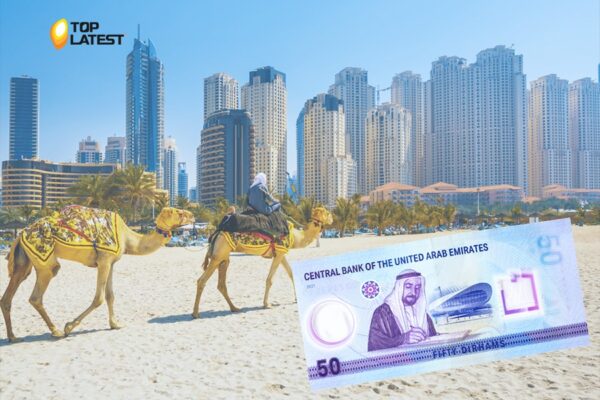
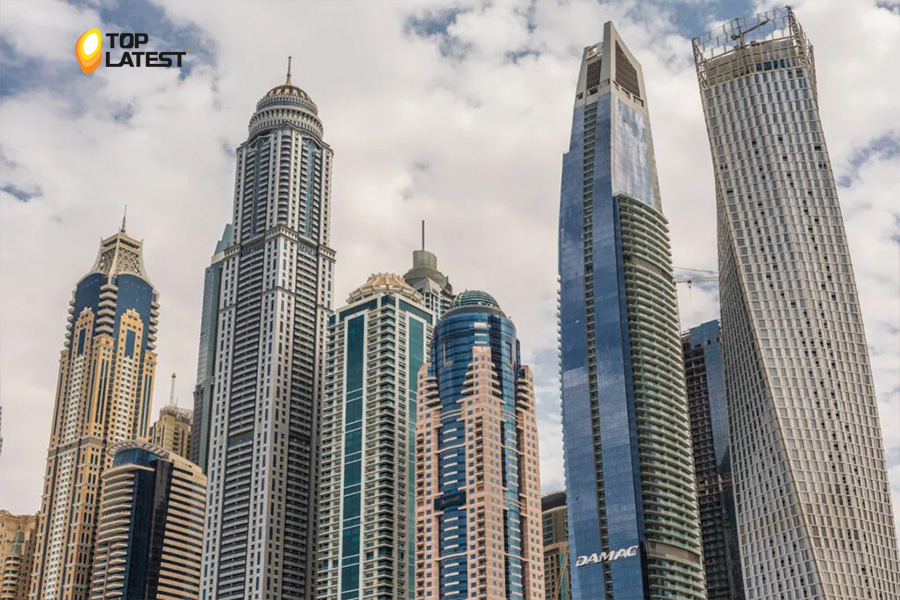
The UAE real estate market has always been closely linked to global economic movements. As one of the world’s most open and investor-friendly economies, the UAE attracts capital, talent, and businesses from across the globe. This makes its property market highly responsive to international trends.
From interest rate fluctuations to geopolitical shifts, global dynamics play a significant role in shaping property prices in cities like Dubai and Abu Dhabi. For investors, understanding these influences is essential to making informed decisions and maximizing returns.
This blog explores how major global economic trends are impacting UAE property prices and what investors should watch for in the coming years.
Global Interest Rates and Their Direct Impact
One of the most influential global factors affecting UAE property prices is interest rates. Since the UAE dirham is pegged to the US dollar, monetary policies in the United States have a direct impact on borrowing costs in the UAE.
When global interest rates rise:
- Mortgage rates increase
- Property affordability decreases
- Demand from financed buyers slows
As a result, property price growth may soften or stabilize.
On the other hand, when interest rates decline:
- Borrowing becomes cheaper
- Buyer demand increases
- Property prices tend to rise
For investors, tracking global interest rate cycles is crucial, as they directly influence both demand and price movements in the UAE market.
Inflation and Construction Costs
Global inflation has a significant effect on real estate, particularly through rising construction and material costs.
Key impacts include:
- Increased cost of raw materials like steel and cement
- Higher labor expenses
- Rising development costs
Developers often pass these costs onto buyers, leading to higher property prices, especially in new developments.
At the same time, real estate is considered a hedge against inflation. As the cost of living rises globally, investors often turn to property to preserve wealth, which further drives demand in stable markets like the UAE.
Oil Prices and Economic Stability
Although the UAE has diversified its economy, oil revenues still play an important role in overall economic stability.
When global oil prices are high:
- Government revenues increase
- Infrastructure spending rises
- Economic confidence strengthens
This creates a positive environment for real estate, often leading to higher property demand and price growth.
Conversely, when oil prices decline:
- Economic activity may slow
- Investor confidence can weaken
- Property price growth may moderate
However, the UAE’s reduced dependence on oil compared to the past has made the real estate market more resilient to these fluctuations.
Global Investment Flows and Safe-Haven Demand
In times of global uncertainty—such as economic downturns, geopolitical tensions, or financial instability—investors seek safe and stable markets.
The UAE has emerged as a preferred destination due to:
- Political stability
- Strong infrastructure
- Tax-free property ownership benefits
- High rental yields
As a result, global capital flows into UAE real estate tend to increase during uncertain times, pushing property prices upward.
High-net-worth individuals, in particular, are increasingly investing in luxury properties, contributing to price growth in premium segments.
Currency Strength and Exchange Rate Dynamics
The strength of global currencies relative to the UAE dirham can influence foreign investment in real estate.
For example:
- When foreign currencies strengthen against the dirham, UAE property becomes more affordable for international buyers
- This increases demand and supports price growth
On the other hand:
- A stronger dirham can make property more expensive for overseas investors
- This may reduce foreign demand in certain markets
Currency fluctuations play a subtle but important role in shaping property price trends, especially in a globally connected market like the UAE.
Global Economic Growth and Employment Trends
The performance of the global economy directly affects job creation, business expansion, and migration—all of which influence real estate demand in the UAE.
When the global economy is strong:
- More businesses expand into the UAE
- Job opportunities increase
- Expat population grows
This leads to higher demand for both residential and commercial properties, driving prices upward.
In contrast, during global slowdowns:
- Hiring may decrease
- Population growth may slow
- Demand for property may weaken
Investors should closely monitor global economic indicators, as they often signal future trends in the UAE property market.
Supply Chain Disruptions and Project Delays
Recent global events have highlighted the importance of supply chains in real estate development.
Disruptions can lead to:
- Delays in construction timelines
- Reduced supply of new properties
- Increased costs for developers
When supply is limited while demand remains strong, property prices tend to rise.
For investors, this creates opportunities in ready properties or projects nearing completion, as limited supply can drive short-term price appreciation.
Tourism and Global Mobility Trends
The UAE is a major global tourism hub, and international travel trends have a direct impact on its real estate sector.
An increase in global tourism leads to:
- Higher demand for short-term rentals
- Growth in hospitality-related real estate
- Increased investor interest in holiday homes
Additionally, the rise of remote work and digital nomad lifestyles has made the UAE an attractive destination for long-term stays.
This shift is boosting demand for:
- Furnished apartments
- Flexible rental options
- Lifestyle-focused communities
Such trends contribute to overall property price growth, particularly in urban and waterfront areas.
Government Policies Influenced by Global Trends
The UAE government actively adapts its policies in response to global economic changes.
Key initiatives include:
- Long-term residency visas for investors and professionals
- Business-friendly regulations
- Support for foreign ownership
These measures are designed to maintain competitiveness and attract global investment.
As global competition for capital increases, the UAE continues to position itself as a leading real estate destination, supporting price stability and long-term growth.
Technology and Global Real Estate Innovation
Global technological advancements are reshaping the way real estate markets operate.
In the UAE, this includes:
- Digital property transactions
- Blockchain-based ownership records
- AI-driven property management
These innovations improve transparency, efficiency, and accessibility, making it easier for international investors to enter the market.
As technology continues to evolve, it will play a key role in enhancing property value and attracting global buyers.
Key Takeaways for Investors
Understanding how global economic trends impact UAE property prices can help investors make smarter decisions.
Important considerations include:
- Monitor global interest rate movements
- Watch inflation and construction cost trends
- Track oil prices and economic indicators
- Identify shifts in global investment flows
- Stay updated on currency fluctuations
By aligning investment strategies with these trends, investors can better navigate the market and identify high-potential opportunities.
Sources
- Central Bank of the UAE
- US Federal Reserve
- International Monetary Fund (IMF)
- Knight Frank Wealth Report
- Dubai Land Department