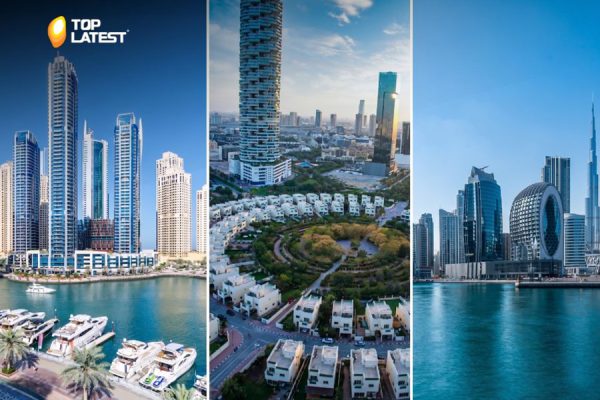
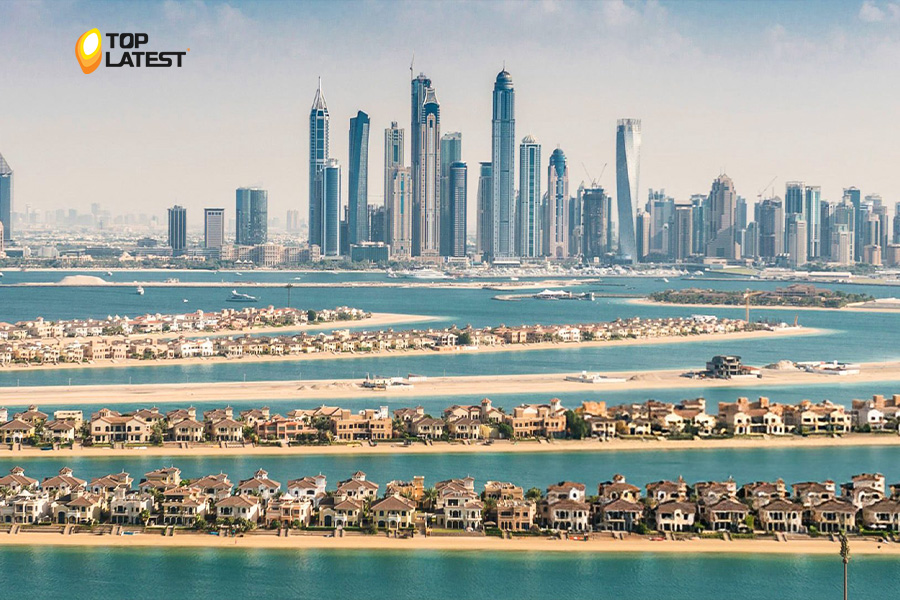
Dubai’s real estate market continues to be one of the most closely watched in the world. This year, property prices are showing a clear shift from rapid post-pandemic growth toward a more structured and sustainable phase. While prices are still rising in many segments, the pace has become more measured, reflecting a maturing market driven by real demand rather than speculation.
For buyers, investors, and end users, understanding how and why prices are evolving is essential to making informed decisions. Below is a detailed look at the key factors shaping Dubai real estate prices this year and what they mean for the market ahead.
Market Overview: A More Balanced Growth Cycle
Dubai entered this year on the back of strong momentum built over the previous period. High transaction volumes, rising population numbers, and international investor interest all contributed to price increases across apartments, villas, and luxury properties.
This year, however, growth is becoming more selective. Instead of sharp price jumps across the board, the market is rewarding well-located, high-quality properties with steady appreciation, while less competitive areas are seeing slower movement. This signals a healthier market cycle focused on long-term fundamentals.
Residential Prices: Still Rising, but More Selectively
Overall residential prices continue to trend upward, but not all segments are moving at the same speed. Prime locations and established communities remain in high demand, while areas with higher upcoming supply are experiencing price stabilization.
Apartments in central and lifestyle-oriented communities continue to perform well, especially those close to business districts, transport links, and retail hubs. Villas and townhouses also remain popular, driven by family demand and lifestyle preferences, though price growth is more moderate than in earlier boom phases.
This selective growth benefits buyers by creating clearer value distinctions between properties based on quality, location, and amenities.
Luxury Segment: Premium, but More Disciplined
Luxury real estate remains a defining feature of Dubai’s property market. High-net-worth individuals continue to invest in waterfront villas, branded residences, and exclusive communities.
However, luxury price growth is becoming more disciplined. Instead of rapid escalation, prices are now supported by genuine demand from end users and long-term investors. Limited supply in prime areas continues to support values, but buyers are becoming more selective, prioritizing design quality, views, and long-term livability over prestige alone.
This trend strengthens price stability and reduces volatility in the high-end segment.
Mid-Range and Affordable Housing Gaining Momentum
One of the strongest shifts this year is the growing demand for mid-range and affordable housing. Professionals, families, and first-time buyers are driving demand in communities that offer value, connectivity, and practical living spaces.
Developers are responding by launching projects that focus on functionality, community amenities, and flexible layouts. These properties may not command headline prices, but they benefit from consistent demand, making them attractive for both end users and yield-focused investors.
This segment is expected to play a key role in shaping overall market stability.
Rental Market Influence on Prices
The rental market remains a major driver of sales prices. While rents are still higher than previous years, growth is slowing in many areas as new supply enters the market. This easing in rental pressure is influencing buyer behavior.
Tenants who previously rushed into buying due to rising rents are now taking a more measured approach. As a result, price growth is aligning more closely with rental yields rather than speculative expectations. Properties that offer strong rental returns continue to attract investor interest, supporting price resilience.
Supply Pipeline and Its Impact
New project deliveries are increasing this year, particularly in suburban and master-planned communities. This added supply is helping to balance demand and prevent overheating in certain segments.
While increased supply may limit short-term price spikes in some areas, it also improves overall market health. Established neighborhoods with limited new inventory are better positioned to maintain price growth, while newer areas may offer opportunities for buyers seeking entry-level pricing and long-term appreciation.
Understanding where supply is concentrated is essential when evaluating price trends.
Buyer Behavior Is Becoming More Rational
Buyer sentiment has evolved noticeably. Instead of chasing rapid capital gains, buyers are now focused on usability, long-term value, and lifestyle compatibility. This shift is particularly evident among resident buyers and family purchasers.
Investors, too, are increasingly focused on rental income stability, tenant demand, and operating costs. This rational behavior supports sustainable pricing and reduces the risk of sharp corrections.
External Factors Shaping Price Direction
Several external factors are influencing how prices move this year. Global economic conditions, interest rate trends, and international capital flows all play a role. However, Dubai’s diversified economy, business-friendly environment, and population growth continue to provide strong underlying support.
Rather than causing market swings, these factors are reinforcing the importance of strategic, location-driven investment decisions.
What This Means for Buyers and Investors
For buyers, this year offers better clarity and choice. Negotiation opportunities are improving in certain areas, and price transparency is stronger. End users can focus on long-term livability rather than rushing into decisions.
For investors, returns are increasingly tied to fundamentals. Properties with strong locations, good layouts, and sustainable rental demand are outperforming speculative options.
Final Thoughts
Dubai real estate prices this year are evolving in a more balanced and mature direction. While growth continues, it is being shaped by genuine demand, expanding supply, and changing buyer priorities rather than rapid speculation.
This environment favors informed decision-making. Buyers and investors who focus on quality, location, and long-term demand drivers are best positioned to benefit as Dubai’s property market continues its transition toward sustainable, resilient growth.