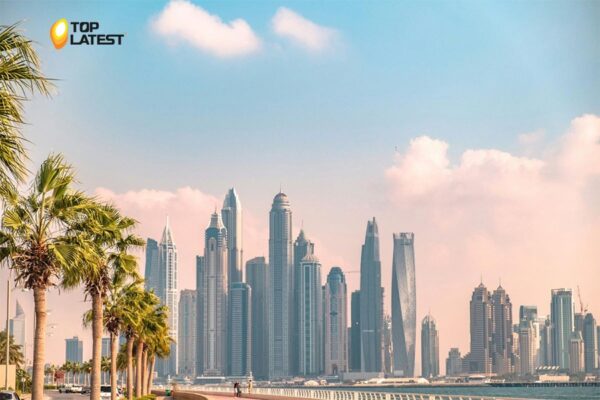
The UAE property market in 2026 is entering a new phase defined by stability, maturity, and long-term planning. After several years of strong post-pandemic growth, the market is no longer driven purely by momentum or speculation. Instead, it is shaped by genuine end-user demand, population growth, policy reforms, and lifestyle-driven development.
For buyers—whether first-time homeowners, residents upgrading their homes, or investors looking for sustainable returns—understanding the key trends shaping the UAE property market in 2026 is essential. Below is a comprehensive overview of the most important developments every buyer should be aware of before making a decision.
A Shift from Rapid Growth to Sustainable Stability
The UAE property market has transitioned from rapid price acceleration to a more balanced growth cycle. While prices in many areas remain higher than previous years, increases are now more measured and selective. This reflects a healthier market where value, location, and quality matter more than hype.
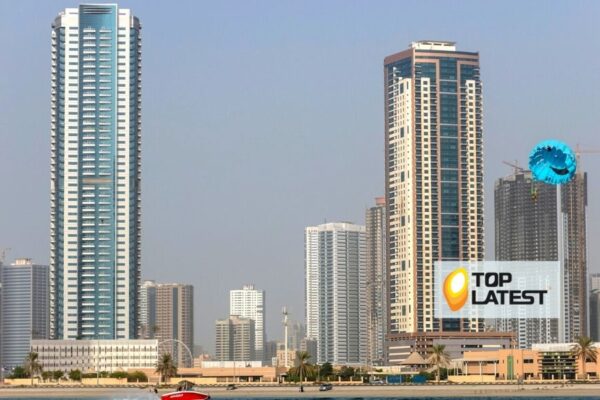
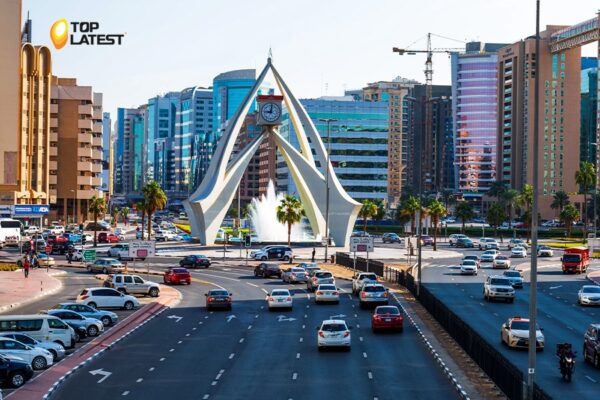
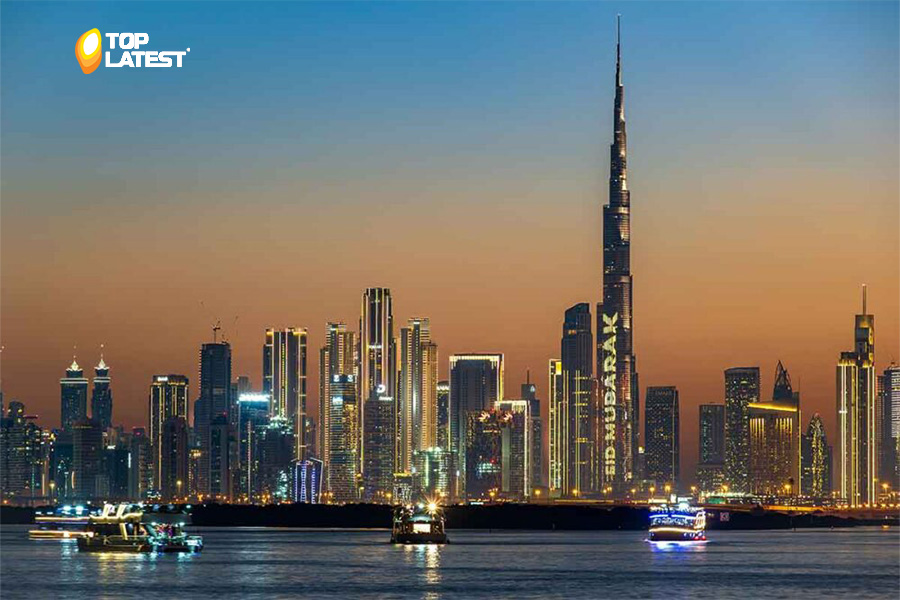
Cities such as Dubai and Abu Dhabi are seeing stable demand supported by population growth and economic diversification, while affordability-focused emirates like Sharjah continue to attract families and budget-conscious buyers.
End Users Are Driving Demand
One of the most important trends in 2026 is the growing dominance of end users over short-term speculators. More buyers are purchasing homes to live in rather than to flip quickly for profit.
This shift is being driven by long-term residency options, lifestyle upgrades, and a growing sense of permanence among expatriates. Buyers are prioritizing livability, community design, proximity to schools and workplaces, and long-term affordability. As a result, communities that offer practical layouts and strong infrastructure are outperforming purely speculative developments.
Mid-Range and Affordable Housing in Focus
Demand in 2026 is strongest in the mid-range and affordable segments. Professionals and families are seeking homes that offer good value without compromising on connectivity or amenities.
Developers are responding by launching more projects focused on efficient floor plans, community facilities, and realistic pricing. These properties may not generate headlines, but they attract consistent demand and offer stability for buyers.
This trend benefits first-time buyers, who now have more options tailored to real living needs rather than luxury branding alone.
Villas and Townhouses Remain in Demand
Villas and townhouses continue to perform strongly in 2026, especially among families and long-term residents. The preference for space, privacy, and outdoor areas remains high, particularly in suburban and master-planned communities.
While villa prices are no longer rising at the aggressive pace seen in earlier years, demand remains steady. Buyers are increasingly selective, favoring communities with parks, schools, retail access, and transport links over isolated luxury developments.
Rental Market Trends Are Influencing Buyer Decisions
The rental market remains closely linked to buying behavior. Although rents are still elevated compared to earlier periods, rental growth has started to slow in many areas as new supply enters the market.
This moderation is encouraging tenants to reassess rent-versus-buy decisions. Buyers are carefully comparing mortgage costs with rental payments, leading to more calculated and informed purchases. Properties that offer strong rental yields continue to attract investor interest, but unrealistic yield expectations are gradually fading.
Increased Supply Is Creating More Choice
One of the defining characteristics of the UAE property market in 2026 is an expanding supply pipeline. New projects are being delivered across apartments, townhouses, and mixed-use communities.
This increase in supply is not necessarily negative. Instead, it is creating healthier competition, improving quality standards, and offering buyers more negotiating power in certain segments. Well-established communities with limited new inventory are maintaining pricing strength, while emerging areas are offering attractive entry points for long-term buyers.
Understanding where supply is concentrated is now a key part of smart buying decisions.
Location Quality Matters More Than Ever
In 2026, location quality is a stronger differentiator than overall market trends. Properties near business districts, transport corridors, schools, and lifestyle hubs are outperforming those in poorly connected areas.
Buyers are no longer focused solely on city names. Instead, they are comparing neighborhood-level fundamentals such as accessibility, infrastructure, community planning, and long-term demand. This shift is pushing prices to align more closely with real-world usability rather than marketing appeal.
Sustainability and Smart Living Are Gaining Importance
Environmental awareness and efficiency are increasingly influencing buyer preferences. Properties with energy-efficient designs, smart home features, and sustainable community planning are gaining traction.
While sustainability was once a niche factor, it is becoming mainstream in 2026. Buyers are recognizing the long-term cost benefits of efficient cooling, smart energy use, and well-planned developments. This trend is particularly visible in newer projects that integrate technology and sustainability from the design stage.
Financing and Buyer Confidence Are Improving
Buyer confidence remains strong, supported by stable employment, clearer regulations, and flexible payment options. Developers are offering structured payment plans, while mortgage products are widely available for eligible buyers.
At the same time, buyers are becoming more financially disciplined. There is greater focus on affordability, long-term commitments, and realistic budgeting. This cautious optimism contributes to a more resilient market overall.
What This Means for Buyers in 2026
For buyers, the UAE property market in 2026 offers clarity rather than chaos. Opportunities still exist, but success depends on informed decision-making rather than timing speculation.
End users benefit from better choices, improved quality, and more stable pricing. Investors benefit from a market that rewards fundamentals, rental demand, and long-term planning rather than short-term hype.
Final Thoughts
The UAE property market in 2026 is defined by balance, maturity, and sustainability. Growth is still present, but it is rooted in population expansion, lifestyle demand, and economic stability rather than rapid speculation.
Buyers who understand these trends—and align their choices with real demand, strong locations, and long-term usability—are best positioned to make confident and rewarding property decisions in the evolving UAE real estate landscape.