
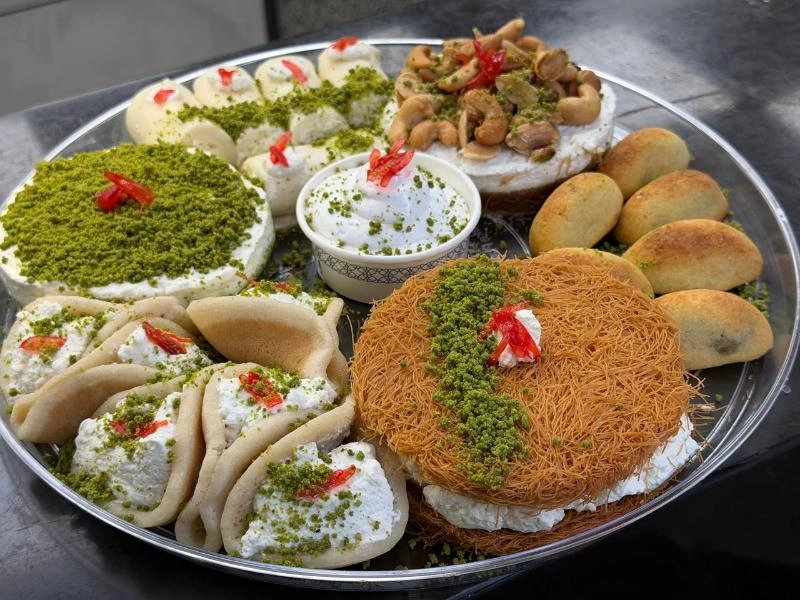
Arabic sweets are part of how families celebrate, welcome guests, and close a long meal across the UAE. Kunafa, baklava, and basbousa sit at the centre of that ritual in homes and hospitality venues from Dubai to Fujairah. They are also among the most calorie dense desserts in the world, built on butter, refined sugar syrup, and white flour. The good news is that you do not need to give them up to eat well. Small, intentional swaps in ingredients and portion size keep the flavour, texture, and tradition intact while easing pressure on your blood sugar and long term wellbeing.
This guide walks through what makes each sweet heavy, how to lighten it at home, and where to find better versions across the UAE.
Why smart swaps make Arabic sweets work for modern UAE lifestyles
The UAE carries one of the highest diabetes burdens in the world. According to the International Diabetes Federation Diabetes Atlas, the country consistently ranks in the top tier globally for age adjusted diabetes prevalence. Sugary desserts, eaten daily and in generous portions, are part of that story.
The World Health Organization recommends that adults and children keep added sugar intake below 10 percent of total daily calories, and ideally below 5 percent for additional health benefits. A single average serving of kunafa or baklava in a UAE restaurant can deliver most of that limit in one sitting. The answer is not to skip dessert. It is to upgrade the ingredients, control the portion, and treat it as a planned pleasure rather than a default ending.
Once you understand what each sweet is doing nutritionally, the swaps become obvious.
The four levers that decide how heavy any Arabic sweet really is
Almost every traditional Arabic dessert is built on the same four levers. The fat, usually ghee or clarified butter. The flour, usually refined wheat or semolina. The sweetener, usually a thick sugar syrup. And the topping or filling, which can be nuts, cream, or cheese. Change one lever and you trim some calories. Change all four and you transform the dessert without losing its soul.
The smartest home cooks across the UAE follow a simple ratio. They cut added sugar by at least 30 to 50 percent, replace half the saturated fat with extra virgin olive oil, swap a portion of refined flour for almond flour or whole grain semolina, and double the nut content. The flavour deepens because nuts and good fats taste more interesting than plain sugar. The blood sugar curve flattens because fibre and protein slow absorption. The portion shrinks naturally because each bite is more satisfying.
Healthy kunafa swaps that still taste like the real thing
Classic kunafa is built on three heavy elements. Shredded kataifi pastry soaked in melted ghee. A sweet cheese or cream filling. A sugar syrup, called attar, that drenches every bite. The combination is delicious and easily clears 500 to 700 calories per modest slice.
Swap the pastry base
Replace half the kataifi with shredded phyllo brushed lightly with extra virgin olive oil instead of full fat ghee. Olive oil delivers heart friendly monounsaturated fats and a gentler calorie hit per spoon. For a gluten conscious version, finely shredded gluten free phyllo or even shredded sweet potato baked until crisp gives the same crunchy frame.
Swap the filling
Traditional akkawi or nabulsi cheese can be partly replaced with low fat ricotta or fresh labneh strained until thick. The tang stays. The saturated fat drops. For cream based kunafa, use a thickened mix of skimmed milk, a small amount of cornflour, and a teaspoon of orange blossom water instead of full fat ashta cream.
Swap the syrup
This is where most of the sugar load lives. Cut the sugar in your attar by half and replace the rest with a natural alternative like monk fruit, allulose, or a small amount of date syrup, which still carries fibre and minerals. Add lemon juice and a few crushed cardamom pods for body. Drizzle the syrup over the kunafa instead of soaking the entire tray, so each portion gets flavour without saturation.
Portion the right way
Bake kunafa in individual ramekins rather than one large tray. Pre portioning at home removes the temptation to refill the plate and signals satiety to your brain faster.
Healthy baklava swaps without losing the layers
Baklava is essentially butter, sugar, and refined flour with a thin scatter of nuts. The nuts are the most nourishing element in the original recipe, and most commercial versions use too few of them.
Swap the fat
Replace clarified butter or ghee with extra virgin olive oil for half of the brushing layers. The flavour stays rich, and the fatty acid profile shifts in your favour. Use a pastry brush rather than pouring, so each phyllo sheet gets a thin even coating instead of a heavy soak.
Load up on nuts
Double the pistachio or walnut layer. Nuts add protein, fibre, healthy fats, and minerals that slow sugar absorption. Pistachios in particular bring antioxidants and a satisfying chew that lets you stop at one piece. A baklava with more nuts than syrup ends up lower in glycaemic impact than a thin, syrup heavy traditional slice.
Rebuild the syrup
Replace the standard one to one sugar and water syrup with a lighter version sweetened with date syrup, a small touch of honey, and aromatic notes from rose water, orange blossom, or cinnamon. Pour the syrup warm over a cool tray and let it absorb gradually. You will use roughly 40 percent less liquid and still get the glistening finish.
Go small on portions
Cut baklava into bite sized diamonds instead of full squares. A two bite portion paired with mint tea is enough to satisfy the craving and pairs beautifully with the traditional ritual of slow sipping.
Healthy basbousa swaps that still hit the texture sweet spot
Basbousa, also called hareeseh or namoura, is a semolina cake soaked in sugar syrup. It is denser than kunafa, less buttery than baklava, and easier to lighten without losing its identity.
Swap the flour and sugar in the batter
Use half fine semolina and half whole wheat semolina or almond flour. The cake stays moist and grainy in texture while gaining fibre and protein. Cut the sugar in the batter by a third and replace it with mashed ripe banana, unsweetened apple sauce, or date paste, which all add natural sweetness and moisture.
Swap the dairy
Replace full fat yoghurt with low fat Greek yoghurt or unsweetened coconut yoghurt for a slightly tropical lift. Skip the coconut topping if you want to keep calories tighter, or use a thin layer of toasted slivered almonds for crunch and good fats.
Lighten the syrup
Make a light syrup with half the sugar, a generous squeeze of lemon, and a teaspoon of orange blossom water. Drizzle rather than drench. Basbousa is naturally moist, so it does not need to swim in syrup to taste authentic.
Boost the topping
Press a whole almond into the centre of each piece instead of a glacé cherry. The almond brings more nutritional value and a cleaner finish, and the visual is just as classic across UAE bakeries.
Timing and pairing matter as much as the recipe
When you eat an Arabic sweet matters almost as much as how it is made. Eating dessert right after a balanced meal that includes protein, fibre, and good fats slows the sugar spike. Eating the same sweet on an empty stomach, especially mid afternoon, sends blood sugar climbing fast. Pair kunafa, baklava, or basbousa with unsweetened mint tea, black coffee, or Arabic coffee rather than fruit juice or sweetened laban. A ten minute walk after a sweet course also blunts the glucose response measurably, which is why families across the UAE traditionally walk and socialise after dinner.
A smart shopping list for healthier Arabic desserts
Stocking the right pantry makes healthy swaps almost automatic. Keep extra virgin olive oil, raw pistachios and walnuts, almond flour, fine semolina, whole wheat semolina, low fat ricotta, fresh labneh, Greek yoghurt, dates, date syrup, monk fruit sweetener, rose water, orange blossom water, ground cardamom, and saffron threads on hand. Choose unsweetened dairy whenever possible, since most ready made dairy in UAE supermarkets is already lightly sweetened. Buy nuts in bulk from local spice souks rather than pre packed bags, which is both fresher and cheaper. Specialty stores in older neighbourhoods often stock single origin date syrup at a fraction of mall pricing.
Where to find healthier Arabic sweets across the UAE
Health conscious bakeries and cafes have grown quickly across the country, especially in lifestyle led communities. Al Quoz in Dubai is now home to a cluster of speciality cafes serving low sugar baklava bites, almond flour basbousa, and pistachio forward kunafa cups that suit modern dietary preferences.
Heritage destinations also offer cleaner options if you ask. Restaurants at Souk Al Bahar often prepare smaller dessert tasting plates with reduced syrup on request, which is a smart way to enjoy a classic finish without the typical sugar load.
Active communities like Al Mahra in Arabian Ranches pair their family friendly lifestyle with nearby boutique patisseries that quietly offer protein enriched, lower sugar takes on the classics. Look for menus that list ingredients, not just dish names.
Bringing it all together
You do not have to choose between tradition and wellbeing. Kunafa, baklava, and basbousa can stay on your table every week if you rework the fat, the flour, and the syrup with a clear plan. Swap ghee for olive oil where possible. Trade refined sugar for dates, monk fruit, or allulose. Bulk up the nuts. Shrink the portion. The result is a sweet that still tastes like home, costs less per bite in calories, and fits the long term lifestyle most UAE residents are building. Explore TopLatest for more practical guides on living well across the Emirates.
Sources
- World Health Organization guideline on sugars intake for adults and children
- International Diabetes Federation Diabetes Atlas
- United States Department of Agriculture FoodData Central nutritional database
- American Heart Association dietary fats and healthy eating guidance
- Dubai Health Authority public health and nutrition advisories
Frequently Asked Questions
Yes, with the right ingredient swaps. Replace refined sugar in syrups with monk fruit, allulose, or a small amount of date syrup for a lower glycaemic impact. Use almond flour or whole wheat semolina in place of refined flour to slow sugar absorption. Increase the nut content for protein and fibre. Keep portions to roughly the size of two fingers, and always consult your physician before making significant dietary changes.
Among classic options, baklava with a high nut to pastry ratio is often the most balanced choice because pistachios and walnuts add healthy fats, fibre, and protein that blunt the sugar spike. Basbousa made with semolina and yoghurt is also a moderate option in small portions. Kunafa is the heaviest of the three because of the cheese, ghee, and syrup combined. Choose a small portion, pair it with mint tea, and skip a sugary drink alongside.
Dates and date syrup are still sugars and still raise blood glucose, but they carry fibre, potassium, magnesium, and antioxidants that refined white sugar lacks. They also have a slightly lower glycaemic index than table sugar in most studies. For Arabic sweets, they work especially well because the flavour is culturally aligned. They should still be used in moderate quantities, not as a free pass to eat more dessert than usual.
Baklava and basbousa both freeze well for up to three months when wrapped tightly in airtight containers. Freezing in pre portioned pieces also helps with portion control. Kunafa is harder to freeze because the cheese filling changes texture when thawed, so it is best made fresh in smaller batches. Reheat baklava and basbousa in an oven at low temperature rather than a microwave to preserve the crisp top layers and prevent sogginess on serving.
The UAE has strong public health resources, including guidance published by the Dubai Health Authority and Abu Dhabi Public Health Centre on balanced diets, sugar reduction, and active lifestyles. Major supermarkets carry clearly labelled low sugar and high fibre options. Boutique fitness studios, wellness cafes, and community walking trails are part of daily life across Dubai and Abu Dhabi. TopLatest also publishes lifestyle and neighbourhood guides that highlight the healthiest places to live, dine, and stay active.