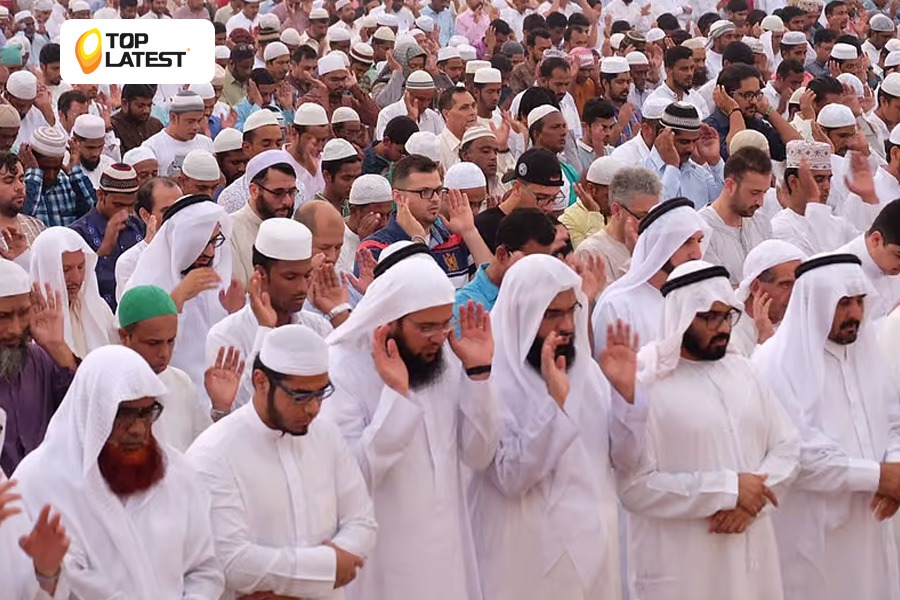
Eid morning in Dubai begins before sunrise. Families arrive in waves, fragrant with oud, children clutching new shoes, and within an hour the city’s prayer halls and open-air grounds fill with hundreds of thousands of worshippers. For residents new to Dubai, picking the right mosque or musalla matters more than it first appears. The choice shapes parking, comfort, sermon language, and how the rest of the morning unfolds.
This guide walks through the best places to perform Eid prayers in Dubai, what to expect at each location, and how the city’s Islamic Affairs department organises the day.
How Dubai Organises Eid Prayer
Eid Al Fitr and Eid Al Adha prayers are coordinated centrally by the Islamic Affairs and Charitable Activities Department (IACAD). For recent Eid prayers, IACAD confirmed that more than 900 mosques across the emirate were fully prepared to host worshippers, with the start time announced the night before based on official moon sighting and coordination with the Dubai Resilience Center. Prayer typically begins 10 to 15 minutes after sunrise. الصّفحة الرّسمية
The system is intentionally distributed. Large designated open-air prayer grounds, called musallas, handle the heaviest congregations, while neighbourhood mosques absorb local demand to prevent overcrowding. Worshippers are advised to head to the nearest mosque rather than travel across the city.
Designated Eid Musallas In Dubai
The musallas are open-air grounds reserved specifically for Eid mornings. They are larger, more atmospheric, and built around the experience of mass community prayer.
Grand Bur Dubai Musalla
Located near the historic centre, this is one of the oldest and most established Eid grounds in the city. It draws long-time Emirati and South Asian communities, with sermons delivered in Arabic and English. Parking fills quickly, so arrival 30 to 45 minutes before iqama is the standard.
Eid Musalla, Umm Suqeim
A favourite for residents along the Jumeirah and Al Sufouh strip, Umm Suqeim offers easier vehicle access than central Dubai. It is one of the sites that historically hosts the traditional Eid cannon firing, adding a strong cultural texture to the morning.
Nad Al Hamar Musalla
Strategically located between Mirdif, Al Warqa, and Nad Al Hamar itself, this ground serves a heavily residential catchment. It is well organised, family friendly, and consistently mentioned as one of the smoother experiences for first time attendees.
Al Barsha Musalla
Convenient for residents of Tecom, Al Barsha South, Arjan, and the Marina belt, this site sees high turnout from younger expat families. The catchment overlaps with several school zones, making it a natural choice for households with school age children.
Al Mizhar (Grand Taiba) Musalla
Serving the northern residential belt including Mirdif, Al Mizhar, and Muhaisnah, the Taiba ground is one of the largest by capacity. Crowd management is well rehearsed, and exit traffic clears faster than at the central musallas.
Hatta Eid Ground
For residents who travel to Hatta over the long Eid break, the dedicated Eid ground there provides a quieter, mountain backed setting. It is also one of the cannon firing locations, retaining the older communal feel that larger urban musallas have grown beyond.
Major Mosques With Strong Eid Atmosphere
For worshippers who prefer an indoor mosque setting, several names recur across recommendation lists each year.
Zabeel Grand Mosque
Zabeel sits on the IACAD list of cannon firing sites and consistently hosts a large, formally organised Eid prayer. Its proximity to Downtown and Bur Dubai makes it accessible from multiple central neighbourhoods.
Jumeirah Mosque
One of Dubai’s most photographed religious landmarks, Jumeirah Mosque offers a more intimate Eid experience than the open musallas. It suits residents of Jumeirah 1, 2, and 3, and visitors who want a setting that blends heritage architecture with the day’s significance.
Al Farooq Omar Bin Al Khattab Mosque
Located in Al Safa, this mosque is often described as one of Dubai’s most beautiful, modelled on Istanbul’s Blue Mosque. Capacity is substantial, the sound system supports overflow worshippers in the courtyard, and the architectural setting elevates the experience for first time attendees.
Mirdif Grand Mosque
For families in Mirdif, Uptown Mirdif, and Mushrif, this is the natural local choice. The grounds accommodate large numbers, and access from the surrounding villa communities is straightforward even at peak arrival.
Sheikh Rashid Bin Mohammed Mosque
A newer addition in Nad Al Sheba, this mosque serves an expanding residential belt including Meydan and Mohammed Bin Rashid City. It is increasingly popular with younger Emirati and expat families settling into the area.
Al Salam Mosque, Al Barsha
The indoor counterpart to the Al Barsha musalla, often used by worshippers who prefer climate controlled prayer space, particularly during the warmer Eid Al Adha period when outdoor heat is a real consideration.
Picking The Right Location: Practical Considerations
The “best” mosque is the one that matches the household’s actual morning.
Distance and traffic. Dubai’s road network handles Eid morning well, but central musallas develop bottlenecks by 6:00 AM. Worshippers from Downtown, Business Bay, and DIFC are usually better served by nearby community mosques than by attempting to reach Zabeel.
Language of the khutbah. Most large mosques deliver the sermon in Arabic with English translation. Smaller neighbourhood mosques may run Urdu, Malayalam, or Tagalog sermons depending on local community. IACAD’s “Find a Mosque” tool lists sermon languages.
Family accessibility. Women’s prayer areas, stroller access, and proximity to washrooms vary. Musallas tend to have dedicated, well separated women’s grounds. Older indoor mosques are sometimes tighter.
Heat planning. Eid Al Adha falls in peak summer. Indoor mosques become preferable for elderly worshippers and young children during these years.
Eid Prayer In Dubai’s Newer Residential Communities
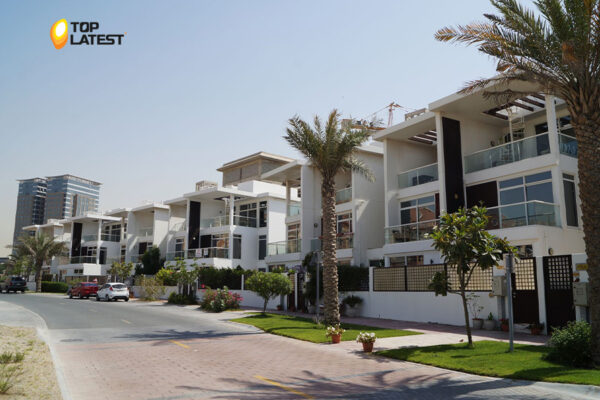
Dubai’s newer master communities, from Dubai Hills Estate to Tilal Al Ghaf, Damac Hills, and Arabian Ranches 3, have purpose built mosques inside or adjacent to the community. For residents in these areas, the local community mosque almost always offers the best experience: short walking distance, familiar faces, no parking stress.
This is increasingly a factor in purchase decisions. Proximity to a quality mosque, school, and community centre is now a standard criterion for end-user buyers evaluating long term residence. Anyone working through a serious guide to buy property in dubai will see these community amenities flagged alongside the financial and legal considerations.
Tips For A Smoother Eid Morning
A few practical points that residents repeat each year.
Arrive at least 30 minutes before iqama. Latecomers often pray in overflow areas or on courtyard mats.
Carry a personal prayer mat for outdoor musallas. Floor mats are provided but limited.
Park slightly further out and walk. Lots inside the immediate radius fill first, and the queue to exit afterwards is the longest part of the morning.
Dress for the season. Light fabrics and head covering for Eid Al Adha, layered options for the cooler Eid Al Fitr mornings.
Bring water and tissues. Distribution stations exist but cluster near entry points.
For more on how Dubai’s residential geography shapes daily life, the coastal vs inland Dubai communities comparison on TopLatest covers the broader lifestyle picture, including amenity proximity. Residents evaluating newer launches with built-in community mosques may also find the top off-plan property locations in Dubai useful for understanding which developments have strongest community infrastructure.
Final Note
Dubai handles Eid mornings at a scale few cities attempt. The infrastructure, the cannons, the synchronised timings across 900 plus mosques, and the open-air musallas combine into one of the most organised mass observances in the region. The best place to perform Eid prayers is rarely the most famous one. It is the one that lets a family arrive calm, pray comfortably, and start the day without traffic and crowding overshadowing the moment.
For residents settling in for the long term, choosing a home within easy reach of a well run community mosque is one of the quieter but more durable lifestyle decisions Dubai offers.
Frequently Asked Questions
What time is Eid prayer held in Dubai?
Eid prayer timing in Dubai is set by IACAD and announced the night before, based on official moon sighting. The prayer is generally held 10 to 15 minutes after sunrise. Recent Eid Al Fitr prayers were held at 6:40 AM and Eid Al Adha at 5:45 AM across the city’s mosques. Worshippers should confirm exact timings via IACAD announcements or local mosque notices on Eid eve, since slight adjustments occur each year based on sunrise.
Which is the largest Eid musalla in Dubai?
Dubai has several large designated musallas including Grand Bur Dubai, Umm Suqeim, Nad Al Hamar, Al Barsha, Al Mizhar Taiba, Al Aweer, and Hatta. Grand Bur Dubai and Al Mizhar Taiba are among the highest capacity grounds by historical turnout. Capacity varies year to year as IACAD reallocates resources based on community size, but residents should expect well over ten thousand worshippers at each of the main musallas during peak attendance windows.
Can women and children attend Eid prayer in Dubai mosques?
Yes. Women and children are encouraged to attend Eid prayer at all major mosques and designated musallas across Dubai. Women have separate prayer areas with their own access, ablution facilities, and crowd management. IACAD specifically promotes children’s participation through initiatives such as Mu’adhin Al Freej, which involves young community members in the takbeerat. Parents typically bring children to the open-air musallas, which offer more space and a stronger communal atmosphere.
Where is the Eid cannon fired in Dubai?
Eid cannons are traditionally fired at seven designated sites across Dubai, marking the start of Eid prayer. These include Zabeel Grand Mosque, and the Eid prayer grounds at Umm Suqeim, Nad Al Hamar, Al Barsha, Nad Al Sheba, Al Baraha, and Hatta. The cannon firing is a cultural tradition tied to the emirate’s heritage and draws families who want to experience the ceremonial side of Eid morning alongside the prayer itself.
Do I need to register or pre-book to attend Eid prayer in Dubai?
No registration or booking is required for Eid prayers at Dubai mosques and musallas. All sites are open to the public on a first arrival basis. IACAD recommends heading to the nearest mosque to ease congestion and ensure smooth crowd movement. Worshippers should arrive at least 30 minutes early, particularly at central musallas, since parking and entry queues build quickly in the final fifteen minutes before iqama.
Sources
- Islamic Affairs and Charitable Activities Department (IACAD)
- Dubai Resilience Center
- Dubai Police
- UAE Moon Sighting Committee
- Dubai Media Office