Dubai’s dining scene is famous for its global reach, but the food that tells the city’s own story sits quietly on menus written in Arabic first and English second. Emirati cuisine is rooted in the desert, the coast, and the trading routes that shaped this land long before high rises lined the creek. For residents and visitors ready to move past the international circuit, learning what to order and where to sit down for it opens up a whole layer of Dubai that many people miss for years.
This guide walks you through the Emirati dishes that matter most, ordered by how central they are to the local table, followed by the restaurants and heritage venues in Dubai where you can taste them cooked with care.
Why Emirati Cuisine Deserves a Spot on Your Dubai Plate
Emirati food is built on a small, expressive pantry: long grain rice, slow cooked meat, dried limes known as loomi, saffron, cardamom, rose water, and dates. The techniques carry the memory of Bedouin travel, pearl diving voyages, and coastal fishing villages, which is why so many dishes are shared from one large platter and eaten by hand. According to the Dubai Department of Economy and Tourism, the emirate hosts more than 13,000 restaurants and cafes serving over 200 nationalities, yet dedicated Emirati venues remain a small and intentional slice of that landscape, which makes seeking them out feel like a real discovery.
Cultural experiences hosted at the Sheikh Mohammed Centre for Cultural Understanding in Al Fahidi have introduced tens of thousands of residents and travellers to Emirati meals with the guiding principle “Open Doors, Open Minds,” and that spirit runs through most heritage kitchens in the city.
The Emirati Dishes to Prioritise
Machboos
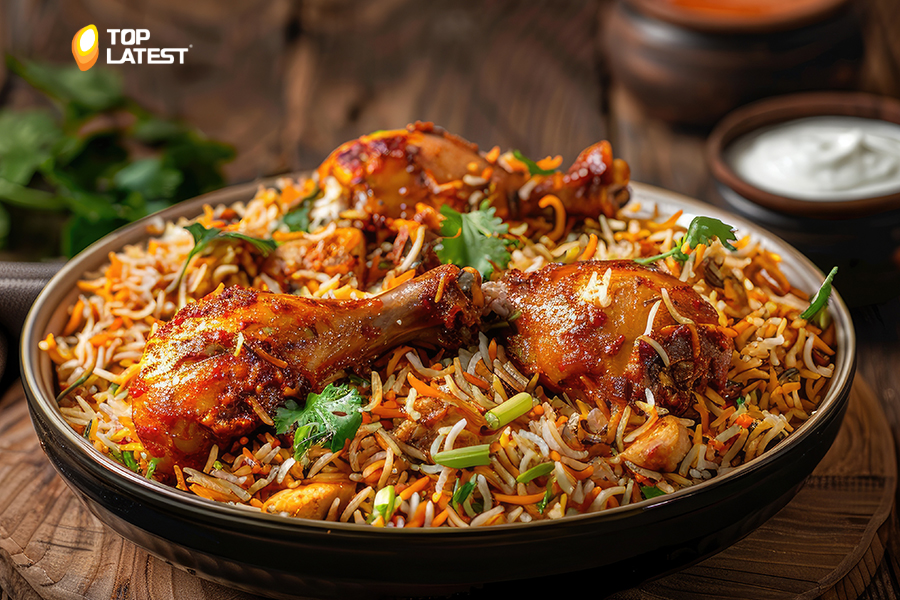
If you try one dish, make it machboos. Often described as the national dish, machboos is a fragrant rice preparation cooked with chicken, lamb, or fish, layered with baharat spice, dried lime, saffron, and slow simmered onions. The rice takes on a deep amber colour and a slightly tangy edge from the loomi. It is the plate you will see on every serious Emirati menu, and it is the benchmark by which most local kitchens are judged. Order the lamb machboos on your first visit, as the longer cooking time gives the rice its fullest flavour, and taste it with a small side of daqoos, the tangy tomato and chilli sauce that most heritage restaurants serve alongside.
Luqaimat
The best loved Emirati sweet, luqaimat are golden dumplings fried until crisp, then drenched in date syrup and sometimes finished with sesame. They appear at every Ramadan iftar table across the UAE and turn up on dessert menus year round. Light, warm, and only just sweet enough, they are the easiest entry point into Emirati flavours for anyone new to the cuisine.
Harees
Harees is comfort in a bowl. Wheat and meat, usually chicken or lamb, are slow cooked for hours until they collapse into a smooth, savoury porridge, then topped with ghee and sometimes cinnamon. It is a Ramadan and celebration staple across the Arabian Peninsula, and eating a well made harees is the fastest way to understand why simplicity carries so much weight in this cuisine.
Balaleet
Balaleet is a breakfast dish that captures the sweet and savoury balance Emirati home cooking loves. Vermicelli noodles are sweetened with sugar, cardamom, saffron, and rose water, then topped with a thin, salted omelette. It sounds unusual on paper and makes complete sense on the plate, especially with a small glass of karak chai on the side.
Thareed
Thareed layers slow braised meat and vegetable stew over torn pieces of regag, the paper thin Emirati bread. The bread soaks up the sauce and turns silky, giving the dish a texture unlike anything else in the region. Historically associated with breaking the fast in Ramadan, thareed is now served throughout the year at heritage restaurants and sits comfortably alongside Levantine and other regional cuisines you can explore in the UAE.
Madrouba
Madrouba shares harees’s love of slow cooking but keeps a little more texture. Rice is cooked down with chicken, tomato, and spices until it reaches a creamy, risotto like consistency, then finished with a generous spoon of ghee. It is often served at family gatherings and is a quiet favourite among residents who have grown up in the UAE.
Chebab
Chebab are Emirati pancakes, made with a batter of flour, cardamom, saffron, and a hint of date syrup. They are traditionally eaten at breakfast, folded around cream cheese, honey, or date molasses. Modern cafes, along with newer food destinations such as 77 Valley in Dubai, have made chebab one of the most photographed Emirati foods in the city, without losing the original character.
Regag and Khameer Bread
Regag is a wafer thin bread cooked on a hot iron plate, often layered with cheese, egg, or fish sauce. Khameer is a soft, slightly sweet bread flavoured with cardamom and saffron, ideal for eating with cream cheese or honey. Both breads are woven through Emirati snacking culture and are worth ordering as a side to almost any main.
Ouzi
Ouzi is a celebratory dish of spiced rice topped with slow roasted lamb, garnished with nuts and dried fruit. While its roots stretch across the wider region, the Emirati version has its own gentle spicing and is the centrepiece of many wedding and Eid tables in the UAE.
Where to Find Authentic Emirati Food in Dubai
Al Fanar Restaurant and Cafe
Al Fanar is the most widely recognised Emirati restaurant in the city, and for good reason. The Dubai Festival City flagship recreates a 1960s Emirati village, and the menu covers the full canon, from machboos and harees to luqaimat and khameer bread. With outlets across Town Square, Dubai Marina Mall, and other locations, it is often the first stop for anyone starting to explore Emirati cuisine.
Arabian Tea House
Set inside the restored courtyards of the Al Fahidi Historical Neighbourhood and Al Seef, Arabian Tea House pairs traditional Emirati and Levantine dishes with a garden setting under bougainvillea. The Emirati breakfast platter, complete with chebab, balaleet, khameer, and cheese, is one of the most complete morning introductions to the cuisine you will find in Dubai.
Milas
Milas takes a modern approach without diluting authenticity. Founded by an Emirati chef, its outlets in The Dubai Mall, Nakheel Mall, and City Walk serve refined versions of machboos, madrouba, and chebab in a contemporary dining room. This is a strong pick for residents who want the Emirati table with a design forward atmosphere.
Logma
Logma has become the go to name for modern Emirati snacking. Its Boxpark, City Walk, and Kite Beach outlets popularised chebab sliders, saffron karak, and reimagined luqaimat, and the brand is often credited with making Emirati flavours accessible to a younger, cross cultural crowd. It works well for a quick, casual visit rather than a long meal.
Aseelah
Located inside Radisson Blu Deira Creek, Aseelah blends heritage recipes with a fine dining lens. Chef Ali Ebdowa has built a menu that honours dishes such as machboos and thareed while giving them a plated, restaurant style presentation. Views over Dubai Creek add a layer of history to the experience, since the creek is where the city’s food story really began.
Sheikh Mohammed Centre for Cultural Understanding
For a meal that comes with context, the SMCCU in Al Fahidi hosts traditional Emirati breakfasts, lunches, and dinners in a majlis style setting, guided by local hosts who explain each dish and answer questions about culture and daily life. Booking ahead is essential, and this remains one of the most enriching food experiences a newcomer to the UAE can have, especially when paired with a broader first year survival guide to settling into the country.
Seven Sands
Seven Sands on The Walk at Jumeirah Beach Residence offers a polished Emirati menu with a strong seafood section, honouring the coastal side of local cuisine. Its salona samak, machboos, and luqaimat are consistently well made, and the beachside terrace makes it a comfortable option for a longer dinner.
Al Khayma Heritage Restaurant
Tucked into Al Seef along the creek, Al Khayma serves classic Emirati and Arabic dishes in a heritage building with wind towers and traditional seating. It is a favourite for families and visitors who want the atmosphere to match the food, and the harees and ouzi here are especially well handled.
What to Keep in Mind When Trying Emirati Food
A few practical notes make the experience smoother. Portions at heritage restaurants are generous and designed for sharing, so ordering one main per two people plus a couple of starters usually works better than one dish each. Many venues, especially those in Al Fahidi and Al Seef, are busiest at breakfast on weekends, so an early arrival or a reservation helps. Alcohol is not served at most dedicated Emirati restaurants, which fits the family focused character of the cuisine. If you want to build on the restaurant experience by recreating Emirati classics at home, the ingredients that carry the flavours, loomi, baharat, saffron, and Emirati dates, are all easy to find at Waitrose, Union Coop, and Carrefour across Dubai.
Bringing It Home
Emirati cuisine rewards curiosity. It is unshowy, deeply seasonal, and built to be shared, and once you have tasted a proper machboos or a plate of luqaimat still warm from the fryer, the rest of Dubai’s food scene starts to make more sense. Start with the mainstream heritage names such as Al Fanar and Arabian Tea House, work your way toward the cultural centres and the modern kitchens like Milas and Logma, and you will end up with a shortlist of favourites that feel truly local. Pair a few of these visits with an evening walk along Al Seef or the Al Fahidi lanes, and the connection between the food, the architecture, and the trading history of the creek will start to come together naturally.
For readers who want to keep exploring, TopLatest publishes ongoing guides to UAE food culture, home cooking, and neighbourhood dining across Dubai and beyond.
Sources
- Dubai Department of Economy and Tourism
- Sheikh Mohammed Centre for Cultural Understanding
- Dubai Culture and Arts Authority
- Michelin Guide Dubai
- The National
Frequently Asked Questions
Machboos is widely considered the national dish of the UAE. It combines long grain rice with chicken, lamb, or fish, cooked together with baharat spice mix, saffron, dried lime known as loomi, and slow simmered onions. The dish appears at family gatherings, wedding tables, and everyday meals across the country. In Dubai, most heritage Emirati restaurants such as Al Fanar, Milas, and Aseelah serve strong renditions of machboos on their core menu.
Dubai has a small but growing group of dedicated Emirati venues. Al Fanar Restaurant and Cafe, Arabian Tea House in Al Fahidi, Milas across major malls, Logma at City Walk, Aseelah at Radisson Blu Deira Creek, Seven Sands on JBR, and Al Khayma at Al Seef all serve the full range of local dishes. For a cultural setting, the Sheikh Mohammed Centre for Cultural Understanding hosts guided traditional meals in a majlis style environment.
Both are slow cooked comfort dishes, but the textures set them apart. Harees blends wheat and meat into a smooth, savoury porridge, finished with ghee and sometimes cinnamon, and is closely associated with Ramadan. Madrouba uses rice instead of wheat, cooked with chicken, tomato, and spices until it reaches a creamy, risotto like consistency, then topped with ghee. Harees is softer and more uniform, while madrouba keeps more texture and a lighter spice profile.
Traditional Emirati cuisine leans meat and seafood forward, yet several dishes suit vegetarian diners well. Balaleet, chebab pancakes, luqaimat, khameer bread, and regag with cheese or honey are all naturally vegetarian and appear on most heritage menus. Modern Emirati kitchens such as Milas and Logma also offer plant based versions of classic plates. Calling ahead to ask about the day’s meat free options is often the quickest way to plan a satisfying vegetarian visit.
Karak chai, the strong spiced tea served in small glasses, is the most common pairing and matches almost every Emirati dish, from breakfast balaleet to a full machboos platter. Fresh laban, a lightly salted yogurt drink, cools spicier plates, and jallab or tamarind coolers work well with fried items like luqaimat. Most dedicated Emirati restaurants in Dubai do not serve alcohol, in keeping with the family focused character of the cuisine.