
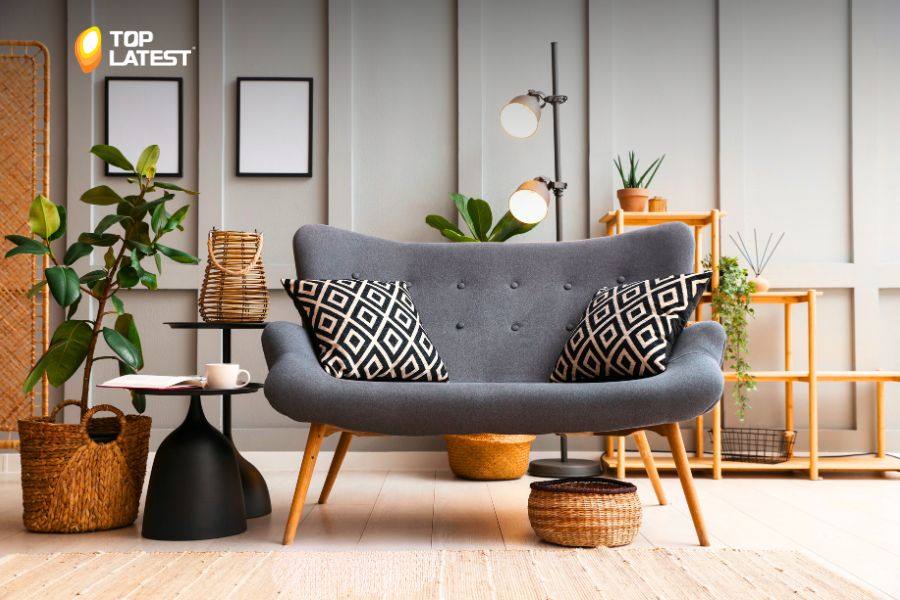
Sustainable home decor has moved from a niche interest to a mainstream priority across the UAE. Residents in Dubai, Abu Dhabi, Sharjah, and beyond are rethinking how their interiors look, feel, and function, with growing attention on materials, energy use, indoor air quality, and long-term value. This guide walks you through practical, design-led ways to build a sustainable home in the UAE, whether you are furnishing a new apartment in Downtown Dubai, refreshing a villa in Al Barsha, or planning a full renovation in Yas Island.
Why Sustainable Home Decor Is Gaining Momentum in the UAE
The UAE’s sustainability agenda has reshaped how homes are designed and decorated. Frameworks such as Dubai Municipality’s Al Sa’fat green building system and Abu Dhabi’s Estidama Pearl Rating System have set clear expectations for energy performance, material selection, and indoor environmental quality across residential developments. The country’s UAE Net Zero 2050 strategic initiative, led by the Ministry of Energy and Infrastructure, has further accelerated interest in low-impact interiors as part of broader climate goals.
For residents, this shift translates into three practical benefits: lower utility bills in a climate with year-round cooling demand, healthier indoor environments, and interiors that hold their appeal over time. Sustainable decor is no longer a compromise on style. It is a route to interiors that are calmer, more considered, and more aligned with how families actually live in the country today.
Core Principles That Shape a Sustainable Interior
Before selecting a single item, it helps to internalise a few guiding ideas that carry through every room.
Longevity over trend cycles. Choose pieces designed to last a decade or more. Well made timber furniture, natural stone surfaces, and classic silhouettes outlast fast decor cycles and reduce landfill waste.
Material transparency. Look for products with traceable origins, FSC certified wood, GOTS certified textiles, and finishes that disclose their volatile organic compound levels.
Adaptability. Modular sofas, extendable dining tables, and multi purpose storage adapt to changing family needs, reducing the urge to replace.
Local and regional sourcing. Furniture and decor produced within the UAE lowers transport emissions and supports the regional design community that Dubai Design Week continues to spotlight.
Responsibly Sourced Materials for UAE Homes
Material choice is the single biggest lever in sustainable decor. Prioritised from most widely adopted to more specialist:
Solid wood with certification. FSC certified oak, walnut, and teak remain the most popular choices for dining tables, sideboards, and beds. They age well, can be refinished, and hold resale value.
Natural stone and terrazzo. Locally fabricated terrazzo, travertine, and limestone perform well in UAE homes, offering thermal mass that helps stabilise indoor temperatures.
Rattan, cane, and bamboo. These fast renewing materials suit the UAE’s indoor outdoor lifestyle and pair naturally with contemporary and coastal interiors.
Recycled metals and glass. Aluminium and glass with recycled content are increasingly available in lighting, mirrors, and accessories from UAE retailers.
Reclaimed timber. Once a specialist category, reclaimed wood is now stocked by several Dubai and Sharjah retailers for shelving, headboards, and feature walls.
Energy Efficient Lighting and Smart Home Integration
Lighting is one of the fastest routes to a measurably more sustainable home. According to Dubai Electricity and Water Authority reporting, cooling and lighting together account for a significant share of residential electricity use across the emirate, which makes considered upgrades genuinely impactful over a full year.
Practical steps include switching to LED lighting across the home, prioritising warm white temperatures for living areas and bedrooms, layering ambient, task, and accent lighting so you rarely need to run every fixture at full output, installing dimmers and smart switches to reduce load during evenings, and choosing fixtures with replaceable bulbs rather than sealed LED units, which extends product life.
Smart thermostats, occupancy sensors, and app controlled lighting from established ecosystems integrate cleanly with UAE apartments and villas. Scheduled cooling profiles, geofenced climate settings, and integrated blind controls together reduce the load on air conditioning during the hottest afternoon hours, when tariffs and system stress both peak. For a deeper look at how smart systems reshape daily living, our guide on smart home upgrades for UAE apartments walks through options by budget and property type.
Indoor Air Quality and Low VOC Finishes
The UAE’s climate keeps homes largely sealed for cooling, which places indoor air quality high on the sustainability agenda. Paints, adhesives, and engineered wood products can release volatile organic compounds that accumulate in enclosed interiors over time.
To keep indoor air clean, specify low VOC or zero VOC paints from certified ranges available across UAE retailers. Choose solid wood or formaldehyde free engineered boards for cabinetry. Use natural fibre rugs such as wool, jute, or cotton instead of synthetic backings that off gas. Introduce indoor plants suited to the local climate, including areca palm, snake plant, and pothos, which improve ambient air quality and soften interiors visually.
Textiles and Soft Furnishings Built to Last
Curtains, upholstery, cushions, and rugs shape both the acoustics and the feel of a room. Sustainable choices here reward you every day.
Linen and cotton remain the most popular natural textile choices, breathable and durable in the UAE climate. Wool rugs hold up to heavy foot traffic and can be professionally cleaned rather than replaced. GOTS certified bedding ensures organic cotton is processed without harmful chemicals. Recycled polyester blends are a practical option for outdoor cushions and shaded terrace furniture in Dubai and Abu Dhabi villas.
Aim for slipcovers and washable fabrics where possible, since UAE households often deal with fine dust and sand that settles indoors, and replaceable covers extend product life considerably.
Locally Made and Regionally Sourced Pieces
The UAE’s design scene has matured significantly, with studios in Alserkal Avenue, d3 (Dubai Design District), and Abu Dhabi’s cultural quarter producing furniture, ceramics, lighting, and textiles rooted in regional craft. Choosing locally made pieces reduces shipping emissions and supports the ecosystem that Dubai Design Week and Downtown Design showcase each year.
Widely adopted starting points include locally produced ceramics, hand loomed cushions, palm frond weaving reinterpreted for modern interiors, and cast concrete planters made in UAE workshops. Our overview of interior design trends across UAE homes explores how regional makers are shaping contemporary interiors.
Upcycling, Vintage, and Second Life Furniture
Extending the life of existing furniture is one of the most impactful sustainability moves available to any household. Reupholstering a well built sofa, refinishing a solid wood dining table, or repainting kitchen cabinetry costs a fraction of full replacement and diverts substantial material from landfill.
Dubai and Sharjah host a growing community of vintage dealers and restoration workshops. Look for mid century teak pieces, brass accents, and solid wood cabinetry, all of which respond well to careful restoration and pair beautifully with newer contemporary pieces. Simple refresh projects such as replacing cabinet handles, re oiling wooden surfaces, and relining drawers can transform the feel of a room for a modest outlay, keeping serviceable furniture in circulation for another decade.
Bringing Biophilic Design Into UAE Homes
Biophilic design integrates natural elements into interiors and remains one of the most durable directions in sustainable decor. In UAE homes, this typically translates into layered natural materials, generous daylight where orientation allows, indoor greenery selected for indoor conditions, and views framed toward gardens, courtyards, or water features.
The result is not just aesthetic. Biophilic interiors are consistently linked to improved wellbeing, better sleep, and lower stress, which matter in a climate where residents spend long hours indoors. Explore our detailed piece on biophilic design principles for UAE villas and apartments for room by room ideas.
Sustainable Decor, Room by Room
Living rooms. Anchor with a durable solid wood or natural stone coffee table, layer natural fibre rugs, and choose upholstery in linen or heavy cotton. Add table lamps with LED bulbs for evening warmth.
Bedrooms. Prioritise a solid wood bed frame, organic cotton bedding, and blackout curtains in natural fibres, which double as thermal insulation against strong sunlight.
Kitchens and dining. Choose formaldehyde free cabinetry, quartz or recycled content surfaces, and a solid wood dining table designed to be refinished over time.
Bathrooms. Water efficient fixtures, natural stone or terrazzo surfaces, and organic cotton towels together reduce both water use and long term replacement cycles.
Outdoor terraces. FSC certified teak, powder coated recycled aluminium, and recycled polyester cushions handle UAE humidity and heat while staying aligned with sustainability goals.
Making the Shift Practical
Sustainable home decor is best approached gradually. Start with the pieces you interact with most, upgrade lighting, replace synthetic textiles as they wear out, and let each renovation cycle bring the home closer to your standards. Families exploring a new home entirely may find it useful to browse curated villas and apartments across the UAE that already incorporate green building features from the outset.
The direction of travel is clear. Sustainable interiors in the UAE are more accessible, more beautifully designed, and more supported by local makers than at any previous point. Building a home around these principles is a long term investment in comfort, wellbeing, and value.
Sources
- Dubai Municipality, Al Sa’fat Green Building Evaluation System
- Abu Dhabi Department of Municipalities and Transport, Estidama Pearl Rating System
- UAE Ministry of Energy and Infrastructure, UAE Net Zero 2050 Strategic Initiative
- Dubai Electricity and Water Authority, Residential Energy Consumption Reports
- Emirates Green Building Council, Sustainable Building and Interiors Guidance
Frequently Asked Questions
Sustainable home decor in the UAE combines responsibly sourced materials, energy efficient lighting, low VOC finishes, and durable design suited to the local climate. It aligns with frameworks such as Al Sa’fat in Dubai and Estidama in Abu Dhabi, which set standards for material selection, energy performance, and indoor environmental quality. The result is interiors that are healthier, more cost efficient over time, and better matched to UAE living conditions across apartments, townhouses, and villas throughout the emirates.
FSC certified solid wood, natural stone, terrazzo, rattan, and reclaimed timber perform well in UAE homes. Natural stone and terrazzo offer thermal mass that supports cooling efficiency, while solid wood and rattan handle indoor humidity when properly finished. For textiles, linen, cotton, wool, and GOTS certified fabrics remain the most popular choices. These materials age gracefully, can be repaired or refinished, and support the shift away from disposable furniture cycles that dominated earlier decor trends.
Focus on low VOC or zero VOC paints, formaldehyde free cabinetry, and natural fibre rugs. Introduce indoor plants suited to indoor conditions, such as areca palm, snake plant, and pothos, which help freshen ambient air. Ensure air conditioning filters are cleaned regularly, since sealed cooling systems recirculate indoor air continuously. Choosing solid wood over pressed board furniture and avoiding synthetic adhesives during renovations also reduces the volatile organic compounds that build up in enclosed UAE interiors.
Not necessarily. Upfront costs for certified wood, natural stone, and quality textiles can be higher, but these pieces last significantly longer and hold value. Lower energy bills from LED lighting and smart controls offset initial spend within a few years. Upcycling existing furniture, sourcing from local UAE makers, and choosing vintage pieces often cost less than fast decor while offering superior quality. Sustainability in interiors is best measured across total lifetime cost, not the initial purchase price alone.
Dubai Design District, Alserkal Avenue, and Abu Dhabi’s cultural quarter host designers and studios focused on sustainable materials and regional craft. Established retailers across Dubai, Abu Dhabi, and Sharjah increasingly stock FSC certified wood furniture, low VOC paints, and GOTS certified textiles. Vintage dealers and restoration workshops offer second life pieces with strong character. Dubai Design Week and Downtown Design each year showcase local and regional makers producing furniture, lighting, ceramics, and textiles aligned with sustainable principles.