The United Arab Emirates brings together seven distinct emirates under one federation, each offering its own character, coastline, culture, and pace of life. For residents, expats, and investors, understanding how the seven emirates fit together is more than a travel exercise. It shapes decisions about where to live, invest, spend weekends, and build a long-term lifestyle. This guide walks you through each emirate in order of visitor demand and established profile, giving you a clear picture of what defines each one and what makes it worth exploring.
Dubai: The Global Gateway
Dubai sits at the heart of the country’s global profile. It is the most visited emirate and the most recognizable UAE destination worldwide, with the Dubai Department of Economy and Tourism reporting that the emirate welcomed a record 18.72 million international overnight visitors in 2024. The city blends waterfront living, high-rise skylines, and cultural quarters into a single, walkable experience across neighborhoods like Downtown Dubai, Dubai Marina, Palm Jumeirah, and the Al Fahidi Historical District.
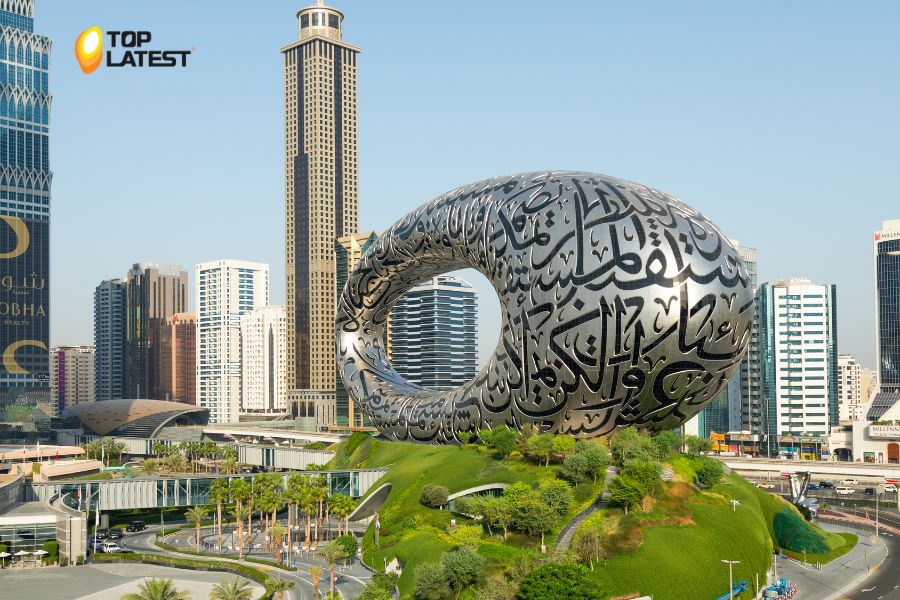
For visitors, Dubai’s appeal lies in its range. You can spend a morning at the Burj Khalifa observation decks, wander the traditional souks of Deira in the afternoon, and finish the day at a beach club along Jumeirah. Dubai Creek offers a contrasting slower pace, with abra crossings that still cost a fraction of a dirham and museums that trace the emirate’s pearl diving origins. Newer attractions such as the Museum of the Future, Ain Dubai, and the Dubai Frame have added depth to the itinerary, while Expo City Dubai has become a growing weekend destination in its own right.
Beyond leisure, Dubai remains the country’s most active property market, drawing residents and investors from more than 200 nationalities. Areas such as Business Bay, Jumeirah Village Circle, and Dubai Hills Estate continue to attract long-term buyers, while emerging communities in Dubai South and Meydan appeal to first-time investors. If you are researching where to base yourself in the emirate, our guide to popular Dubai communities gives a fuller picture of what each area offers.
Abu Dhabi: The Capital and Cultural Anchor
Abu Dhabi, the capital, offers a different rhythm. It is the largest emirate by area and the political and cultural centre of the federation. The city itself is defined by its wide corniche, its landmark Sheikh Zayed Grand Mosque, and a growing museum quarter on Saadiyat Island that now includes the Louvre Abu Dhabi. With the Zayed National Museum and Guggenheim Abu Dhabi in development, the Saadiyat Cultural District is set to become one of the region’s most concentrated cultural precincts.
The emirate stretches far beyond the capital. Al Ain, an inland city near the Omani border, holds UNESCO World Heritage status for its oases and archaeological sites and offers a cooler, greener contrast to the coast. Liwa, on the edge of the Empty Quarter, is home to some of the highest sand dunes in the world and remains popular for weekend desert escapes.
For those considering a longer stay, Abu Dhabi’s residential communities on Yas Island, Saadiyat Island, and Al Reem Island combine family-friendly infrastructure with waterfront living. You can explore current Abu Dhabi property options for a closer look at what the capital offers residents.
Sharjah: The Cultural Capital
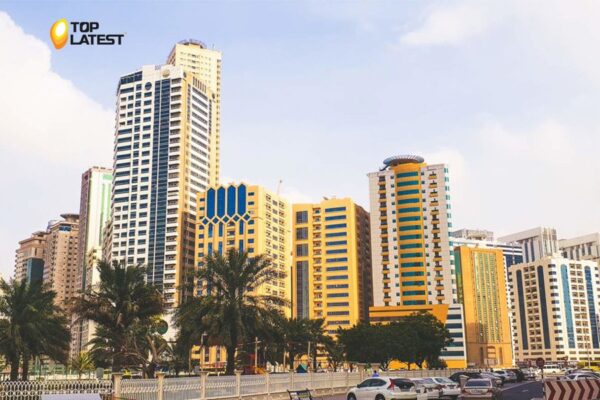
Sharjah, sitting just north of Dubai, has built its identity around heritage and learning. It has been recognized by UNESCO as the Cultural Capital of the Arab World and has held the World Book Capital title, both reflecting decades of investment in museums, libraries, and public art. The Sharjah Arts Museum, the Sharjah Museum of Islamic Civilization, and the Sharjah Biennial anchor a calendar full of cultural programming.
The emirate also extends across three coasts, including enclaves on the east coast at Khor Fakkan and Kalba, which offer quiet beaches, mangroves, and mountain scenery within a two hour drive of the main city. Al Qasba and the restored Heart of Sharjah district give visitors a sense of the emirate’s history without leaving the urban centre, while Al Noor Island and the Rain Room have become popular family stops in the newer waterfront areas. For families and residents who value a quieter, more heritage-led lifestyle, Sharjah remains one of the most established and accessible choices in the country, with strong schooling options and a well-connected road network into Dubai.
Ras Al Khaimah: The Adventure and Nature Emirate
Ras Al Khaimah, often shortened to RAK, has grown quickly as a destination for outdoor experiences and coastal getaways. Jebel Jais, the country’s highest peak at 1,934 metres, is home to the world’s longest zipline and a network of hiking trails, while the emirate’s beaches, mangroves, and desert edges support everything from kayaking to dune drives.
Tourism has been central to the emirate’s positioning. The Ras Al Khaimah Tourism Development Authority reported 1.28 million overnight visitors in 2023, and the pipeline of new resorts on Al Marjan Island points to continued growth. The emirate is also drawing attention as a more affordable base for residents who work in the northern parts of the country and want beach and mountain access within easy reach.
Ajman: The Compact Coastal Emirate
Ajman is the smallest emirate by area but holds a distinctive place on the coast. Its beachfront corniche, marina, and old fort area, now home to the Ajman Museum, give it a compact, walkable character. The emirate has become known for value-focused waterfront living and for weekend visitors from Dubai and Sharjah looking for a quieter beach experience.
Ajman’s fish market, its restored heritage district, and the seafront cafes along the corniche form the core of a visit. For residents, communities such as Al Nuaimiya and Ajman Corniche continue to appeal to those who want proximity to the sea and connectivity to the rest of the country.
Fujairah: The East Coast Escape
Fujairah is the only emirate located entirely on the east coast, along the Gulf of Oman. It is defined by the Hajar Mountains, long stretches of unspoiled coastline, and some of the most accessible diving and snorkelling in the country. Snoopy Island, Al Aqah beach, and the Fujairah Fort, one of the oldest in the UAE, are among the most visited sites.
The emirate suits weekend trips for residents who want a change of landscape without leaving the country. The drive from Dubai takes around 90 minutes and rewards visitors with terraced wadis, hot springs at Ain Al Madhab, and heritage villages such as Bidyah, home to the oldest mosque in the country. Fujairah’s slower pace, cooler mountain air, and diving culture give it a character distinct from anywhere else in the federation. For weekend planning ideas, our guide to short breaks from Dubai covers routes that pair well with a Fujairah stay.
Umm Al Quwain: The Quiet Coastal Retreat
Umm Al Quwain, often called UAQ, is the least populated emirate and one of the most relaxed. Its lagoon, mangroves, and long stretches of open beach make it a favourite for kite surfing, kayaking, and birdwatching. The Al Sinniyah Island nature reserve, home to a large colony of Socotra cormorants, has recently gained wider recognition among conservation enthusiasts.
The emirate is also home to Dreamland Aqua Park, one of the country’s largest water parks, and to a growing food scene around the old town. Weekend visitors often combine a stop at the UAQ National Museum, housed in a restored fort, with a drive along the lagoon and a late lunch at one of the seafood restaurants near the marina. For visitors, UAQ offers a slower pace and a clearer sense of the pre-federation UAE than the larger emirates provide, which is precisely why it has become a favourite retreat for long-term residents looking to unwind close to home.
Planning Your Journey Across the Seven Emirates
Distances between the emirates are short by regional standards. Dubai to Abu Dhabi is about 90 minutes by car, Dubai to Sharjah is a 30 minute drive outside peak hours, and the northern emirates of Ajman, Umm Al Quwain, and Ras Al Khaimah sit within a 90 minute corridor along the E11 highway. Fujairah, on the east coast, is best reached via the E611 or the scenic E88 through Sharjah.
A well-planned week can cover all seven, though most residents choose to explore them in weekend segments. Pairing Dubai with Sharjah, Abu Dhabi with Al Ain, and the northern emirates in a coastal loop are among the most manageable formats. For deeper reads on individual communities and lifestyle areas, explore more UAE lifestyle guides on toplatest.ae.
Final Thoughts
The seven emirates form a compact yet remarkably varied federation, each offering its own reason to visit and its own character to live around. Understanding how they connect, what defines each, and where they sit on the map turns exploring the UAE into a more considered, rewarding experience. Whether you are researching a weekend break, a new neighbourhood, or a long-term investment, taking the time to see each emirate on its own terms is one of the most useful things a resident or newcomer can do.
Sources
- Department of Economy and Tourism, Government of Dubai
- Department of Culture and Tourism, Abu Dhabi
- Ras Al Khaimah Tourism Development Authority
- Sharjah Commerce and Tourism Development Authority
- Federal Competitiveness and Statistics Centre, United Arab Emirates
Frequently Asked Questions
The seven emirates of the United Arab Emirates are Abu Dhabi, Dubai, Sharjah, Ajman, Umm Al Quwain, Ras Al Khaimah, and Fujairah. Each emirate is governed by its own ruling family within the federal framework established in 1971. Abu Dhabi serves as the political capital, while Dubai is the most globally recognized. Together, they cover a wide range of coastal, mountain, desert, and urban landscapes, giving residents and visitors distinct experiences across a relatively compact geography.
Dubai is typically the most accessible starting point for first-time visitors, thanks to its major international airport, extensive metro and road network, and wide range of accommodation. It offers a strong mix of modern landmarks, cultural quarters, and beach areas within a short radius. Many visitors then extend their trip to Abu Dhabi for cultural sites like the Sheikh Zayed Grand Mosque, or to Sharjah for its museums and heritage districts, giving a rounded introduction to the country.
Travel times between the emirates are relatively short. Dubai to Sharjah takes about 30 minutes outside peak hours, Dubai to Abu Dhabi is around 90 minutes, and the northern emirates of Ajman, Umm Al Quwain, and Ras Al Khaimah sit within a 90 minute corridor along the E11 highway. Fujairah, on the east coast, is roughly 90 to 120 minutes from Dubai. This compact geography makes weekend trips across multiple emirates straightforward for residents based anywhere in the country.
Ras Al Khaimah is widely regarded as the leading emirate for outdoor and adventure activities. It is home to Jebel Jais, the country’s highest peak, along with the world’s longest zipline, hiking trails, and via ferrata routes. Fujairah complements RAK with strong diving and snorkelling on the east coast, while Abu Dhabi’s Liwa desert draws visitors interested in dune driving and desert camping. Each offers a distinct outdoor experience within a short drive.
Yes, it is possible to visit all seven emirates in a single trip, though the experience varies with pace. A well-planned week allows a meaningful visit to each, focusing on one or two highlights per emirate. Residents often prefer to explore them in weekend segments, pairing Dubai with Sharjah, Abu Dhabi with Al Ain, and the northern emirates in a coastal loop. Renting a car is the most practical way to move across the federation efficiently and comfortably.