Dressing well in the UAE is a skill of its own. The climate, the social calendar, and the cultural mix in Dubai, Abu Dhabi, Sharjah, and the northern emirates all shape what actually works on your body from morning meetings to late night gatherings. Building a wardrobe that respects the heat, complements your skin in strong sunlight, and translates smoothly from a boardroom in DIFC to a beach club on Saadiyat is less about following global fashion trends and more about local intelligence. This guide walks you through the fabrics, colors, and occasion wear that consistently perform for UAE residents across the year.
Understanding the UAE Climate and What It Asks of Your Wardrobe
The UAE has two dominant seasons that shape personal styling choices. Summer, roughly May through September, brings intense heat and high humidity, particularly along the coast. According to the National Center of Meteorology, daytime temperatures in the peak summer months frequently move past 45 degrees Celsius in Dubai and Abu Dhabi, with coastal humidity often exceeding 70 percent. Winter, from November through March, is famously pleasant, with mild days and cool evenings that occasionally require a light layer.
A wardrobe that ignores this rhythm underperforms quickly. The right fabric moves heat away from the body, the right cut allows air circulation, and the right color absorbs less radiant heat outdoors. Once these fundamentals are in place, styling becomes a matter of expression rather than survival.
Fabrics That Work With the Heat, Not Against It
Fabric selection is the most important decision in a UAE friendly wardrobe. The most popular and reliable choices used by long term residents fall into three broad categories.
Breathable Naturals: Cotton, Linen, and Lightweight Wool
Cotton is the everyday workhorse. Long staple varieties such as Egyptian and Pima cotton offer softness, breathability, and durability across daily wear. Linen sits at the top of many residents’ summer wardrobes because it moves moisture quickly, dries fast, and looks elegant even when relaxed. Lightweight tropical wool, in the 180 to 220 grams per square meter range, is a quiet favorite for corporate wardrobes because it drapes cleanly, resists creasing, and breathes far better than most people expect.
Performance Blends and Technical Weaves
Modern textile innovation has changed what is possible in Gulf conditions. Moisture wicking blends that combine cotton with elastane or Tencel offer stretch, comfort, and quick recovery from perspiration. Poplin, seersucker, and open weave shirting fabrics create micro air pockets that dramatically improve comfort during outdoor moments such as valet queues, terrace lunches, or corniche walks.
Fabrics to Approach With Care
Heavy denim, thick polyester, dense synthetics, and layered nylon perform less well in peak summer. They trap heat, hold moisture, and can look tired quickly. Reserve them for climate controlled venues, winter months, or evening settings where movement is limited. Leather, suede, and velvet also belong to the cooler months, though small accents in accessories can be worn year round without discomfort.
A quick rule of thumb many residents follow: if you can see through the weave when the fabric is held up to light, it will very likely feel comfortable outdoors. Linen, chambray, voile, and open weave cotton all pass this test easily.
A Color Palette Built for Sun, Sand, and Golden Hour
Color choices in the UAE are shaped by two forces: strong natural light for most of the day, and warm, ambient interior lighting inside malls, restaurants, and hotels. The most flattering palettes for daily wear tend to fall into three families.
Neutrals lead the field. Ivory, sand, stone, camel, taupe, and soft khaki reflect light, keep surface temperature down, and pair effortlessly with almost every accessory tone. They also photograph beautifully in the golden hour that defines the UAE’s late afternoons.
Cool tones follow closely. Pale blue, sage, mint, and soft grey feel refreshing in high heat and translate easily from office to evening. They also work well against the country’s coastal and desert backdrops.
Statement colors have a place too, especially in eveningwear and cultural occasions. Deep emerald, oxblood, cobalt, and metallics such as champagne gold and pearl silver come alive under ambient interior lighting and are widely worn to weddings, gala dinners, and Ramadan majlis gatherings.
Black remains a staple, particularly for evening and formal wear, though many residents shift to charcoal or midnight navy during daytime summer hours for a similar effect with less heat absorption.
Accessories carry their own palette logic. Warm metals such as gold, brass, and rose gold sit comfortably against the region’s ambient light and complement most skin tones under UAE sun. Cognac, tan, and soft brown leathers work across the year, while black leather reads best in evening settings. Pearl, mother of pearl, and shell accents have become popular finishing choices for both daytime looks and cultural events.
Occasion Wear: Dressing for the UAE Social Calendar
The UAE lifestyle spans a wide range of occasions, and outfits are expected to match the setting. Popular categories, ordered by how often residents dress for them, are outlined below.
Everyday and Weekend Wear
Casual wardrobes in the UAE tend to feel elevated rather than sporty. Well fitted cotton tees, linen shirts, tailored shorts, midi dresses, and lightweight trousers dominate weekend rotations. Comfortable footwear such as leather sandals, loafers, and clean minimal sneakers works well for mall visits, brunch, and long walks through communities like City Walk, Al Seef, or Al Qasba.
Office and Corporate Settings
Corporate dressing in the UAE leans classic with a modern edge. For men, tropical weight suits in navy, charcoal, and stone, paired with crisp cotton shirts, remain the standard across finance, legal, and consulting environments. For women, tailored trousers, midi skirts, structured dresses, and blazers in breathable fabrics translate well from client meetings in DIFC or Abu Dhabi Global Market to lunches in Downtown. If your work environment is more flexible, our guide to building a balanced career in the UAE covers how modern corporate culture is shifting expectations around presentation and dress code.
Evening, Dining, and Rooftop Events
Evening venues in Dubai and Abu Dhabi range from smart casual rooftops to formal fine dining. Silk blouses, satin midi dresses, tailored jumpsuits, and linen blazers over tees are widely worn. Men often opt for lightweight trousers with a soft blazer and loafers. Rooftop and outdoor venues can still be warm well into the night, so breathable fabrics remain important even after sunset.
Weddings, Majlis Gatherings, and Cultural Occasions
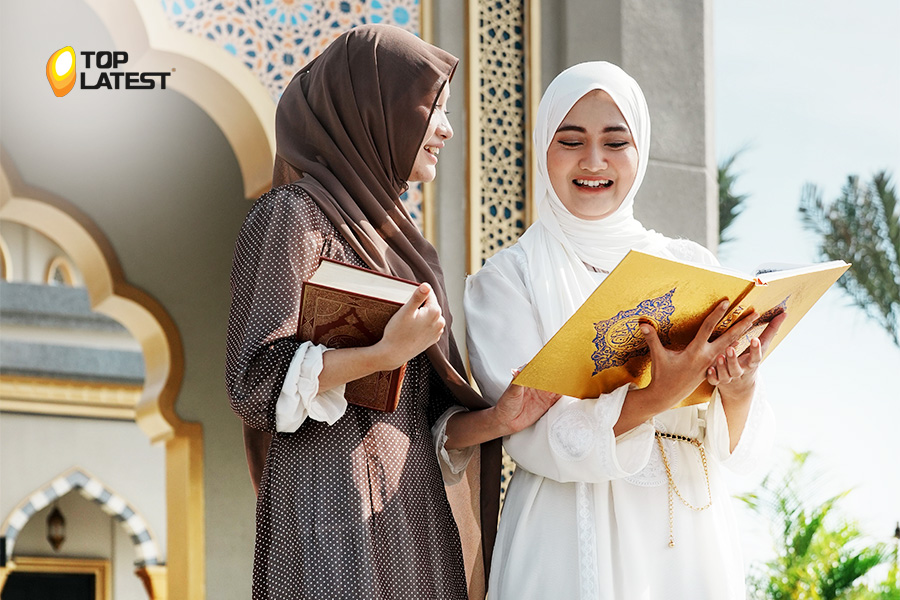
Emirati weddings, Ramadan iftars, and majlis gatherings call for modest, refined, and often more ornate outfits. Long sleeves, floor length hems, and covered shoulders are appropriate, and embroidered kaftans, tailored abayas, and modest evening gowns are widely worn. Rich fabrics such as silk, chiffon, and organza in jewel tones or soft pastels are common. Men often choose the traditional kandura for formal cultural events, or a tailored suit with a subtle cultural nod for mixed settings. Guidance published by the UAE Government Portal on cultural etiquette reinforces the value residents and visitors place on modest, respectful dress at cultural events.
Beach Clubs, Brunches, and Poolside Days
Beach clubs along Palm Jumeirah, Saadiyat Island, and Al Marjan run a smart resort dress code. Popular choices include linen shirts, resort dresses, tailored swim shorts, and lightweight cover ups in whites, sands, and soft pastels. Structured straw accessories, quality sunglasses, and thoughtful jewelry finish the look. Most venues expect swimwear to remain within the pool and beach areas, with a cover up or shirt worn at the bar and dining spaces. Friday and Saturday brunches follow a similar smart resort logic, with a slight lift in polish for licensed venues in Dubai and Abu Dhabi.
Practical Styling Considerations Across the Year
The transition between seasons is often overlooked. October, November, March, and April are ideal windows to introduce layering pieces such as light knits, unlined blazers, and long sleeve linens. December and January evenings can drop into the mid teens, so a wool overshirt or trench works well for outdoor events at venues like Global Village or Expo City.
Footwear should follow the calendar too. Closed leather shoes and boots suit winter months, while breathable loafers, woven mules, and quality sandals dominate the rest of the year. Sun protection is a styling element, not just a health choice: wide brimmed hats, UV protective sunglasses, and lightweight scarves have become part of daily wardrobes for many residents.
For newcomers, dressing in the UAE also carries a cultural learning curve. Our first year survival guide for expats covers the wider context around etiquette and daily life that shapes wardrobe decisions in your first few months in the country.
Building a UAE Ready Capsule Wardrobe
A capsule wardrobe suited to the UAE typically includes a handful of high performing basics: two or three pairs of tropical wool or linen trousers, a small rotation of cotton and linen shirts, one lightweight blazer, two versatile dresses or kanduras, one modest evening outfit, and a set of accessories in neutral leather and metallics. This approach aligns naturally with the minimalist living philosophy many UAE residents now favor, focusing on quality pieces that work harder rather than fuller closets.
A practical rotation looks something like this: one summer capsule built around breathable naturals and light neutrals, a shoulder season capsule that layers in unlined blazers and long sleeve linens, and a compact winter capsule that introduces wool overshirts, denim, and closed footwear. Two or three well chosen evening pieces and one culturally appropriate outfit for weddings and majlis events round out the year. Residents who travel frequently often add a lightweight trench and one versatile knit for cooler destinations.
Final Thoughts
Personal style in the UAE rewards intention. When your fabrics respect the climate, your palette responds to the light, and your occasion wear reflects the setting, dressing becomes easier, more comfortable, and more expressive. For more lifestyle insights on living well across the emirates, explore additional guides on how young professionals in the UAE are shaping the modern lifestyle across Dubai, Abu Dhabi, and beyond.
Sources
- National Center of Meteorology, United Arab Emirates
- The UAE Government Portal (u.ae)
- Dubai Department of Economy and Tourism
- Vogue Arabia
- The National
Frequently Asked Questions
Cotton, linen, and lightweight tropical wool are the most reliable choices for UAE summer conditions. Long staple cottons such as Egyptian and Pima offer breathability and softness, while linen moves moisture quickly and dries fast in high humidity. Modern moisture wicking blends that combine natural fibers with Tencel or elastane add stretch and comfort. Open weave shirting fabrics like poplin and seersucker further improve air circulation and daily comfort outdoors.
Neutrals such as ivory, sand, stone, camel, and taupe lead the daytime palette because they reflect sunlight, keep surface temperature down, and photograph beautifully in the region’s strong natural light. Cool tones like pale blue, sage, and soft grey feel refreshing and translate easily from office to evening. Statement shades including deep emerald, oxblood, cobalt, and champagne gold work well for evening events, weddings, and cultural gatherings held in ambient indoor lighting.
Emirati weddings and majlis gatherings call for modest, refined, and often more ornate outfits. Women commonly wear embroidered kaftans, tailored abayas, and modest evening gowns with long sleeves and floor length hems, often in silk, chiffon, or organza. Jewel tones and soft pastels are popular choices. Men often choose the traditional kandura for formal cultural events, or a tailored suit for mixed settings where a subtle cultural nod is welcomed.
Smart casual in the UAE typically means elevated, well fitted, and breathable. For men, linen shirts, tailored trousers or chinos, and loafers work across most venues. For women, midi dresses, silk blouses with tailored trousers, or a linen shirt with a slip skirt are widely accepted choices. Comfortable leather sandals, minimal sneakers, and quality accessories complete the look. Avoid athletic wear, beachwear, and overly casual shorts outside of pool and beach clubs.
UAE winter, from November through March, brings mild days and cooler evenings that occasionally drop into the mid teens. This is the ideal window to introduce light knits, unlined blazers, wool overshirts, and long sleeve linen or cotton pieces. Denim becomes more comfortable during this period, and closed leather shoes and ankle boots work well. Evening events at outdoor venues often call for a light trench or tailored jacket for comfort and polish.