Ramadan in the UAE transforms the country into one extended dinner table. Hotel ballrooms convert into majlis tents, restaurants extend their menus into the small hours, and entire neighbourhoods slow down for the maghrib call. For residents and visitors choosing where to break their fast, the volume of options can be overwhelming. This guide narrows it to the venues that consistently deliver, organised by emirate, occasion, and budget.
What Sets A Strong UAE Iftar Apart
Not every iftar buffet is built the same. The venues worth booking share four qualities: a clear cultural anchor in Emirati or Levantine traditions, a thoughtful date and laban service the moment maghrib is called, generous portioning rather than thin hotel volume catering, and a setting that holds the spiritual weight of the meal. Price alone is a weak signal. Some of the most memorable iftars in the country sit at mid range hotels and heritage venues, not five star ballrooms.
Dubai: The Headline Iftar Destinations
Dubai concentrates the widest spread of iftar formats, from desert tents to skyline tables.
Al Hadheerah at Bab Al Shams. The closest experience to a traditional Emirati iftar at scale. Live oud, falconry, camel rides, and a buffet built around lamb ouzi, harees, and freshly baked regag bread. The desert setting outside the city makes it a Ramadan ritual for many UAE families.
Asateer Tent at Atlantis, The Palm. One of Dubai’s largest Ramadan tents, seating thousands across formal and majlis style sections. The buffet leans international, but the cold mezze counters and Arabic dessert station hold up well against more specialised venues.
Al Qasr Ballroom at Madinat Jumeirah. A long running favourite for families and corporate iftars. The Madinat setting, waterways, abra rides, and souk lanterns adds atmosphere that newer venues rarely match.
Armani / Ristorante. For a quieter, fine dining iftar, Armani Hotel inside Burj Khalifa offers a set menu that opens with dates and Arabic coffee before moving into Italian courses. A practical choice for mixed groups where not everyone is fasting.
Trèsind Studio and Hoseki. Two newer entrants offering tasting menu iftars rather than buffets. Worth considering for guests who find buffet iftars overwhelming after a full day’s fast.
Abu Dhabi: Where The Capital Slows Down
Abu Dhabi tends to favour grand format iftars with a stronger Emirati identity than Dubai equivalents.
Mezlai at Emirates Palace. The country’s only Emirati fine dining restaurant inside a hotel of this scale. Iftar here is unhurried, with traditional dishes such as machboos, jasheed, and luqaimat served à la carte. The Emirates Palace ballroom also hosts a separate large format iftar tent during Ramadan.
Sofra bld at Shangri-La Qaryat Al Beri. A consistent annual recommendation for its international buffet anchored by a strong Arabic and Indian section. The waterfront terrace, when weather permits, is the differentiator.
Beach Rotana Iftar Tent. A reliable, mid range choice popular with families and corporate groups who want quality without Emirates Palace pricing.
Erth Abu Dhabi. A more recent addition that has earned a quiet reputation for the most authentic Emirati iftar in the capital. Smaller, more reservation sensitive, and worth booking early.
Sharjah: Heritage Led Iftars
Sharjah’s Ramadan character is more traditional, less commercial, and closer to the cultural roots of the holy month.
Al Noor Island Iftar. Set inside the butterfly house and gardens, this iftar focuses on the calm of the island rather than scale. Smaller groups, slower pace, strong photography backdrop.
Al Majaz Waterfront. Several restaurants along the corniche run Ramadan menus, with the lake fountain visible across the table. A good pick for residents living nearby who want a walkable iftar.
Sheraton Sharjah Beach Resort. Reliable buffet iftar with sea views and a quieter pace than equivalent Dubai venues.
For families who already live in the emirate, or those exploring apartments for rent in sharjah and wanting to test the neighbourhood Ramadan rhythm before committing, the Al Majaz and Al Khan corridors offer the densest concentration of accessible iftar options.
Ras Al Khaimah and The Northern Emirates
The northern emirates have quietly become a Ramadan getaway segment of their own.
Waldorf Astoria Ras Al Khaimah. Beachfront iftar with one of the strongest lamb stations in the country during Ramadan. The drive from Dubai is under ninety minutes, making it a viable weekend ritual.
Ritz-Carlton Al Hamra Beach. A Bedouin styled iftar tent set on the sand, with shisha lounges and traditional games for after the meal. Family friendly, and noticeably less crowded than equivalent Dubai venues.
Ajman Saray. A Luxury Collection property that has built a loyal following for its corniche side iftar at a softer price point than equivalent Dubai resorts.
Cultural Iftars Worth Prioritising At Least Once
Two venues sit outside the hotel circuit but belong on any serious UAE iftar list.
Sheikh Mohammed Centre for Cultural Understanding (Al Fahidi, Dubai). The cultural iftar at SMCCU is not a buffet. It is a guided sit down meal with Emirati hosts who explain the meaning of each dish, the etiquette of breaking the fast, and the role of Ramadan in UAE life. For first time residents and visitors, it is more educational than any tourist tour.
Heritage area iftars in Sharjah and Al Ain. Both emirates run open community iftars in their heritage districts during Ramadan, often free or symbolic in cost. The experience is closer to how Emirati families historically observed iftar before the hotel ballroom era.
Practical Booking and Etiquette Notes
A few realities worth knowing before booking.
Iftar reservations open four to six weeks before Ramadan begins, and the top tier venues such as Al Hadheerah, Mezlai, and Erth sell out the first two weeks fastest. Pricing typically ranges from AED 150 per person at mid range hotels to AED 500 plus at flagship venues, with children under six often complimentary and children six to twelve at half price.
Dress code is modest across all venues: smart casual at hotels, more conservative at heritage iftars. Public eating and drinking during daylight hours is no longer legally restricted in most emirates, but the cultural expectation around iftar timing, the meal begins at maghrib and not before, remains universal across all venues.
For longer term residents settling into the UAE Ramadan rhythm, location matters more than people expect. Investors and end users browsing apartments for sale in abu dhabi often factor in proximity to corniche side iftar venues and family friendly mosques as part of their lifestyle shortlisting. Living within ten minutes of a strong iftar circuit changes the month entirely.
How To Choose The Right Iftar For Your Group
A simple filter that works across emirates:
- Family with young children: large format tents with kids’ zones, such as Asateer, Al Qasr, and Ritz-Carlton Al Hamra.
- Corporate or client iftar: seated fine dining at Armani, Mezlai, or Erth.
- Cultural focus, first time fasters, or visiting guests: SMCCU, Al Hadheerah, or heritage area iftars.
- Quiet, couples, or smaller groups: Al Noor Island, Trèsind Studio, or boutique hotel iftars in Sharjah and Ajman.
The mistake most visitors make is defaulting to whichever venue ranks highest on aggregator sites. The better question is what kind of iftar suits the group, then matching the venue to that answer.
For further reading on UAE community choice and lifestyle fit beyond Ramadan, the guide to finding your dream home in Dubai’s top communities on TopLatest is a useful companion piece.
Final Thought
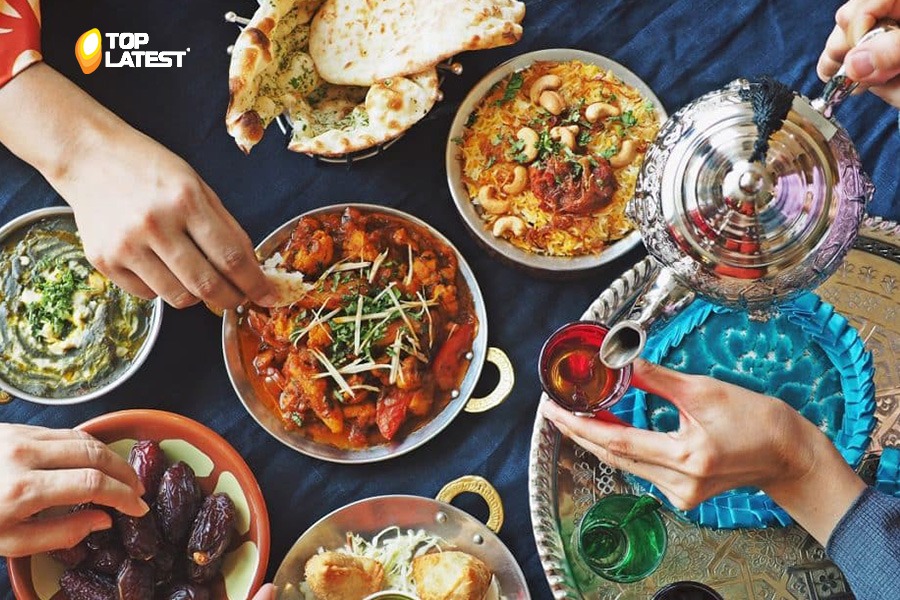
The best iftar in the UAE is the one that matches the meaning of the meal to the setting. A skyline view is impressive once. A traditional Emirati table, with dates broken at the right moment and harees served in a clay pot, becomes a memory residents return to year after year. Book early, choose by occasion rather than rating, and treat at least one iftar each Ramadan as a cultural experience rather than a meal.
Frequently Asked Questions
When is the best time to book iftar in the UAE?
Reservations for the most popular iftar venues open four to six weeks before Ramadan begins, and flagship tents such as Al Hadheerah, Mezlai, and Erth typically fill the first two weeks of bookings fastest. Mid range hotels release availability closer to Ramadan but tend to fill weekends quickly. The practical rule is to book the first ten days and the last ten days of Ramadan early, since these carry the strongest demand from both residents and visiting families.
How much does iftar typically cost in the UAE?
Pricing varies sharply by venue tier. Mid range hotel buffets in Sharjah, Ajman, and suburban Dubai start around AED 150 per person. Five star city centre venues sit between AED 250 and AED 400. Flagship iftars at Emirates Palace, Bab Al Shams, and Atlantis range from AED 400 to AED 600 per adult. Children under six are usually complimentary, and ages six to twelve are charged at roughly fifty percent, depending on the property and Ramadan promotion.
Can non Muslims attend iftar in the UAE?
Yes, fully and warmly. Iftar in the UAE is a deeply inclusive tradition, and hotel, heritage, and cultural venues actively welcome non Muslim guests. The Sheikh Mohammed Centre for Cultural Understanding is specifically designed to introduce non Muslims to the meaning, etiquette, and rituals of breaking the fast. Across all venues, dress code is the only consistent expectation: modest, smart, and respectful of the cultural significance of the meal being shared at sunset.
Which emirate offers the most traditional Emirati iftar experience?
For an authentic Emirati iftar, Abu Dhabi and Sharjah outperform Dubai. Mezlai at Emirates Palace and Erth Abu Dhabi serve genuine Emirati cuisine in a fine dining format, while Sharjah’s heritage area and Al Ain’s old quarter run community iftars closer to how Emirati families historically observed Ramadan. Dubai’s Al Hadheerah at Bab Al Shams is the strongest traditional option within the emirate, combining desert setting, local cuisine, and live cultural performance throughout the evening meal.
Are iftar venues family friendly across the UAE?
Most are, but the format matters. Large tent iftars at Atlantis, Madinat Jumeirah, Ritz-Carlton Al Hamra, and Bab Al Shams are built around families, with kids’ corners, separate seating zones, and longer service windows. Fine dining iftars at Armani, Mezlai, and tasting menu venues suit older children better than toddlers due to pace and seating formality. For multi generational groups, booking a large format buffet at least six weeks ahead remains the most reliable choice.
Sources
- Sheikh Mohammed Centre for Cultural Understanding (SMCCU)
- Jumeirah Group (Madinat Jumeirah / Bab Al Shams)
- Emirates Palace Mandarin Oriental
- Atlantis The Palm
- UAE General Authority of Islamic Affairs and Endowments