
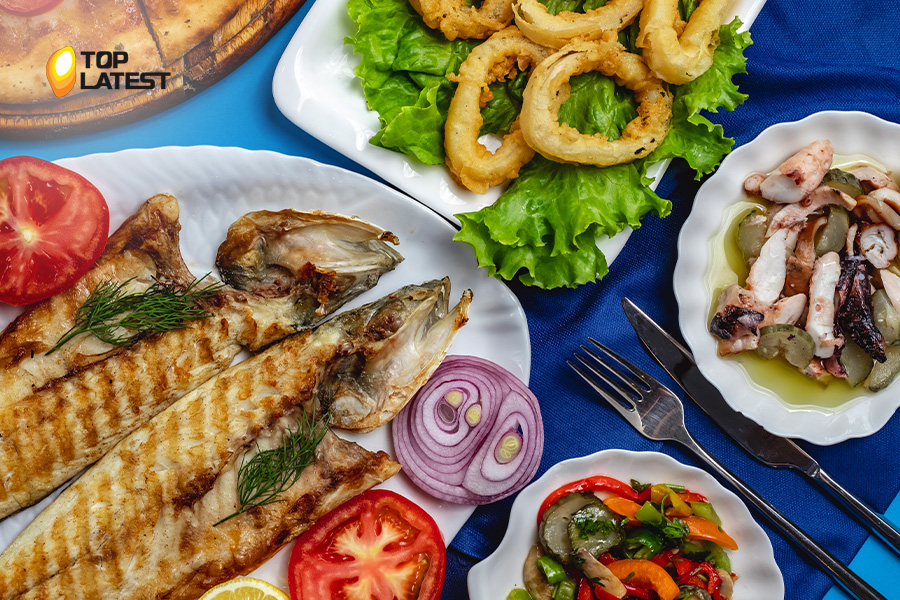
The Emirati table has always carried the memory of the sea. Long before glass towers rose along the coast, families in Dubai, Abu Dhabi, Sharjah, Ras Al Khaimah, and Fujairah shaped their weekly meals around what the dhows brought back at dawn. That rhythm has endured. Even now, with modern supermarkets, delivery apps, and world cuisines competing for attention, home cooks across the UAE still reach for the same three names when they want a meal that tastes like home: Hamour, Safi, and Kingfish. Understanding how these heritage fish earned their place at the Emirati table, and how to work with them confidently in your own kitchen, opens a doorway into one of the most quietly rich food cultures in the region.
A Coastline That Shaped a Cuisine
The UAE enjoys more than 1,300 kilometres of coastline across the Arabian Gulf and the Gulf of Oman, giving its communities continuous access to warm-water species found nowhere else in quite the same combination. For generations, fishing was not a leisure activity but a livelihood, and the techniques used by Emirati fishermen, including gargoor wire traps and small wooden dhows, remain in use today alongside modern vessels. The UAE Ministry of Climate Change and Environment, which oversees national fisheries, confirms that local waters continue to supply a meaningful share of the country’s fresh fish demand, which is why heritage species like Hamour, Safi, and Kingfish retain cultural weight even as imports expand to meet growing consumption. These are not simply ingredients. They are a direct link between contemporary Emirati homes and a maritime identity that predates the oil era by many centuries. Walking through any UAE fish market in the early morning is still the clearest way to understand that history, where the same species that once sustained pearl diving villages now anchor the modern Emirati pantry.
Hamour: The Flagship of Emirati Home Cooking
Hamour, known internationally as the orange-spotted grouper, is the fish most readily associated with Emirati cuisine. Its firm white flesh, mild sweetness, and ability to hold its shape through grilling, frying, or slow cooking make it a dependable choice for both weekday dinners and formal gatherings. It is the fish most often requested in a classic machboos, the celebrated national rice dish that layers aromatic spiced basmati with slow-cooked seafood or meat. Hamour also features regularly in saloona, the lightly spiced tomato-based stew that remains a staple across UAE households throughout the week.
Because Hamour is so widely loved, sustainability has become a growing part of the conversation around it. The Emirates Nature-WWF Choose Wisely initiative has long encouraged UAE consumers to be mindful of their seafood choices, and Hamour populations have faced sustained pressure from decades of high demand. Home cooks today can enjoy Hamour responsibly by buying from licensed vendors who follow regulations set by the Ministry of Climate Change and Environment on minimum catch sizes and seasonal closures, and by rotating it with other local species through the year.
When preparing it at home, a simple approach often works best. A marinade of fresh lime, crushed garlic, turmeric, ground coriander, and a generous touch of dried lime, locally known as loomi, followed by a gentle sear or a slow bake, brings the fish fully to life. Hamour rewards restraint. It lets the warmth of your spice blend settle into the flesh without ever overwhelming its clean, naturally sweet character, which is exactly what Emirati home cooking celebrates most.
Safi: The Everyday Favourite With Deep Local Roots
If Hamour is the celebrated name, Safi is the everyday hero of Emirati kitchens. Known as rabbitfish in English, Safi is one of the most culturally significant species in the national diet, especially in the northern Emirates and coastal villages where it has fed families for generations. Its slightly sweet, mineral-rich flavour and tender flesh make it ideal for whole grilling over charcoal, a preparation that remains a defining memory of weekend lunches in many Emirati households.
Safi is traditionally scored along the sides, rubbed with a bright mixture of salt, lime, cumin, and sometimes a mild chilli paste, then cooked whole until the skin crisps evenly and the flesh pulls cleanly from the bone. It is often served with warm khubz, a fresh green salad, and daqoos, the garlic and tomato sauce that balances the natural richness of the fish beautifully. Because Safi is more affordable and more consistently available at local markets than Hamour, it has quietly become a symbol of culinary continuity in the Emirates.
Families who grew up along the Sharjah or Ras Al Khaimah coast often associate the aroma of Safi grilling over coals with the smell of Friday mornings at home. For new residents learning Emirati cuisine, Safi offers one of the most authentic and accessible entry points you can find. Local fish markets across the country price it reasonably through most of the year, and preparing it at home requires little more than good charcoal, patience, and real respect for the ingredient itself.
Kingfish (Kanaad): The Centrepiece of Weekend Meals
Kingfish, locally known as Kanaad, holds a special place in UAE kitchens for its bold, meaty texture and distinctive flavour. Unlike the delicate Hamour or the lean Safi, Kingfish stands up confidently to assertive spicing, which is why it often appears in dishes shaped by the UAE’s long culinary exchange with the Indian subcontinent and the East African coast. A rich Kingfish curry, slow-cooked with tamarind, fresh coconut, curry leaves, and fenugreek, is a familiar and welcome sight in Emirati homes across every emirate.
Kanaad is typically sold as thick, uniform steaks, which makes portioning simple and reduces preparation time, a practical advantage for busy households managing weeknight cooking. A traditional Emirati preparation might involve marinating the steaks in bzar, the beloved local spice blend built around dried lime, cumin, cardamom, and black pepper, before pan-searing or grilling over gentle heat. The result is a dish with real depth and warmth, best served alongside fragrant saffron rice or a simple tomato and fresh herb salad.
Kingfish is also a popular choice for machboos when a bolder flavour is preferred over the subtlety of Hamour. For residents exploring Emirati cuisine for the first time, Kanaad offers a confident introduction, since its robust character forgives small missteps in timing or seasoning while still delivering a memorable meal. Many UAE families keep well-wrapped frozen Kingfish steaks on hand for weeknights when a fresh market visit simply is not possible that day.
Sourcing Fresh Fish Across the Emirates
Where you buy matters as much as how you cook. The Dubai Waterfront Market in Deira, operated by Dubai Municipality, remains one of the most comprehensive and strictly regulated seafood destinations in the country, offering transparent pricing, species labelling, and on-site cleaning services. The Abu Dhabi Mina Zayed market, the Sharjah Fish Market in Al Jubail, and the smaller landing sites in Ajman, Umm Al Quwain, and Ras Al Khaimah each carry their own character, often reflecting what was actually caught that morning in their respective waters. The Fujairah coast, with its Gulf of Oman access, is a reliable source for larger pelagic species including quality Kingfish.
Shopping at these markets is also a cultural experience in itself, giving residents a sense of how closely Emirati food culture is tied to the sea. For readers who want to explore the broader lifestyle, food scene, and cultural rhythms across the country in more depth, the lifestyle guides on toplatest.ae at /blog/dubai-lifestyle-guide offer useful context on markets, neighbourhoods, and community life. When choosing fish, look for clear glossy eyes, firm springy flesh, and a clean sea smell rather than a strong fishy one. Reliable vendors will happily share the catch date, origin, and preferred preparation method, and many will clean and portion the fish to your preference at no extra cost.
Techniques That Define Emirati Seafood Cooking
Three techniques shape most Emirati seafood dishes at home. The first is charcoal grilling, which brings out the natural sweetness of Safi and gives Hamour a smoky edge that pairs beautifully with fresh lime and herbs. The second is slow stewing, used for saloona and curry preparations where the fish gradually absorbs the layered warmth of bzar, dried lime, and tomato over gentle, patient heat. The third is the mastery of marinades, which rely on citrus, garlic, and warm spice to tenderise and perfume the flesh without ever overpowering it.
Equally important is the deep Emirati preference for serving fish whole or in generous portions, often family style, with communal rice dishes and fresh accompaniments like salata hara, pickled vegetables, and warm khubz straight from the oven. This presentation style reinforces the social role of seafood in Emirati culture. Cooking fish at home is rarely a solitary task here. It is a moment of gathering, and the methods used by home cooks today still echo the practices of grandmothers who prepared the same recipes in open courtyards shaded by palm trees across every emirate of the country.
Bringing These Traditions Into a Modern UAE Home
Modern UAE kitchens, whether in a Dubai Marina apartment, an Al Reem Island tower, or a Khalifa City villa, remain well suited to these traditional preparations. Compact charcoal grills work beautifully on balconies that permit them, while cast iron pans and heavy-based pots handle stews and marinated fillets with ease. Many residents also build their weekly menus around a thoughtful mix of fresh market visits and quality frozen cuts for everyday convenience. For those settling into a new home and shaping their lifestyle around the country’s culinary heritage, the residential community features on toplatest.ae at /properties/dubai-apartments can help identify neighbourhoods close to major fish markets, which simplifies maintaining this tradition week after week. The practical appeal of Emirati seafood cooking is that it fits naturally into contemporary routines without ever losing its deep heritage character.
A Tradition Worth Carrying Forward
Hamour, Safi, and Kingfish are far more than ingredients on a weekly shopping list. They carry the layered story of the Emirates, from the pearl diving villages of the last century to the modern coastline of today, and they continue to define what a comforting, familiar meal tastes like inside UAE homes. Whether you are a long-term resident refining your cooking repertoire or a newcomer discovering Emirati cuisine for the first time, these three heritage fish offer an authentic and genuinely rewarding place to begin your journey. To explore more UAE lifestyle features, community guides, and local culture, visit the dedicated lifestyle section on toplatest.ae at /blog/uae-culture-and-heritage and continue the discovery.
Top 5 Primary Sources
- UAE Ministry of Climate Change and Environment, National Fisheries Regulations
- Emirates Nature-WWF Choose Wisely Sustainable Seafood Programme
- Dubai Municipality, Waterfront Market Operations
- Environment Agency Abu Dhabi, Fisheries Resources Assessment
- The National, UAE Seafood and Culinary Heritage Coverage
Frequently Asked Questions
Hamour is the local name for the orange-spotted grouper, a warm-water fish found throughout UAE coastal waters. It is prized for its firm white flesh, mild sweetness, and remarkable versatility, performing beautifully in grilled preparations, slow-cooked stews, and the national rice dish machboos. Its ability to carry Emirati spice blends like bzar without losing its clean character makes it a dependable staple in both everyday family meals and formal gatherings across the Emirates throughout the year.
Safi, known as rabbitfish, is most commonly prepared whole over charcoal in Emirati homes. Home cooks score the sides, apply a marinade of fresh lime, salt, cumin, and sometimes mild chilli, then grill until the skin crisps and the flesh pulls cleanly from the bone. It is served with warm khubz, a crisp green salad, and daqoos, the garlic and tomato sauce. This preparation is especially associated with weekend lunches along the northern Emirates coastline.
Fresh Kingfish, locally called Kanaad, is widely available at major seafood markets across the UAE. The Dubai Waterfront Market in Deira, operated by Dubai Municipality, offers consistent supply with transparent species labelling. The Abu Dhabi Mina Zayed market, the Sharjah Fish Market in Al Jubail, and the Fujairah coastal landing sites also stock quality Kanaad steaks. Many trusted supermarket seafood counters across all seven emirates carry both fresh and frozen Kingfish throughout the week for home cooks.
Yes, Hamour fishing is actively regulated by the UAE Ministry of Climate Change and Environment, which sets minimum catch sizes, licensed vessel requirements, and seasonal measures to protect spawning cycles. These rules help maintain healthy stocks of a heritage species that has faced sustained pressure from high demand. Home cooks support these efforts by purchasing from licensed vendors at approved markets, confirming the catch meets size regulations, and rotating Hamour with other local Emirati species.
Traditional Emirati seafood cooking is built around bzar, the signature local spice blend combining dried lime (loomi), cumin, coriander, cardamom, black pepper, and often cinnamon or cloves. Fresh lime, garlic, and turmeric appear in most marinades, while saffron frequently joins rice preparations such as machboos. Daqoos, the garlic and tomato sauce, accompanies grilled fish like Safi. Together these elements create the warm, layered, deeply aromatic flavour profile that defines Emirati home cooking from coast to coast.