The majlis sits at the heart of Emirati life. It is where families receive guests, where business conversations shape partnerships, where elders share wisdom, and where generations gather over Arabic coffee and dates. In contemporary UAE households, this centuries-old space has evolved without losing its soul. Today’s majlis blends heritage with modern design, serving as both a cultural anchor and a reflection of how Emirati families welcome the world into their homes. For buyers, renters, and investors exploring UAE property, understanding the majlis shapes expectations around layout, lifestyle, and long-term value.
The Enduring Role of the Majlis in Emirati Life
The word majlis translates loosely as “a place of sitting.” In practice, it is far more than that. It is a social institution recognised by UNESCO as part of the Intangible Cultural Heritage of Humanity, inscribed in 2015 for its role in community dialogue, conflict resolution, and the transmission of oral traditions across generations.
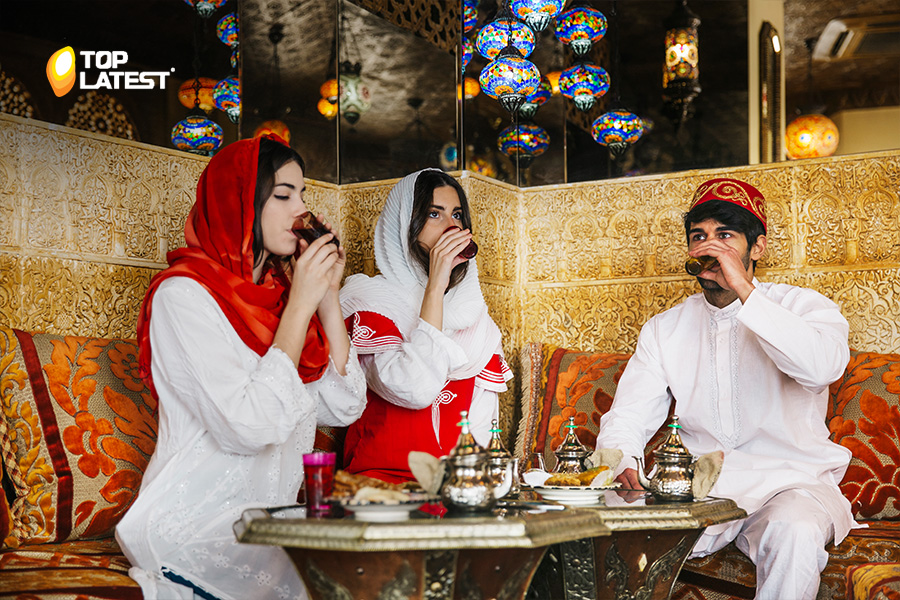
In Emirati households, the majlis functions as a dedicated space for hospitality. Guests are received with Arabic coffee, dates, incense, and conversation that unfolds at an unhurried pace. It is also where significant family discussions take place, including marriage arrangements, business matters, and consultations with respected elders. The majlis is not simply a room. It is a protocol, a ritual, and a continuation of a tradition that predates the formation of the UAE itself.
Across Dubai, Abu Dhabi, Sharjah, and the Northern Emirates, this role has remained intact. What has evolved is the setting, with modern homes offering refined and thoughtfully designed spaces for the same timeless purpose.
How Contemporary UAE Homes Reimagine the Majlis
Modern Emirati homes have adapted the majlis to fit contemporary lifestyles without compromising its purpose. In villas across Al Barsha, Mirdif, Khalifa City, and Al Rahmaniya, the majlis typically occupies a prominent position near the main entrance, often with a separate access point for guests. This placement preserves privacy for the family while allowing hospitality to flow seamlessly.
Many new developments offer dual majlis layouts, one for men and one for women, reflecting the preference of many Emirati families to maintain traditional hosting arrangements. Floor plans in communities such as Nad Al Sheba, Al Furjan, and Yas Acres often label these rooms explicitly, signalling how deeply the majlis remains embedded in UAE residential architecture.
Even in apartments and townhouses, where space is more limited, a reception room or formal living area frequently takes on the role of a majlis. Developers in Downtown Dubai, Saadiyat Island, and Aljada have introduced flexible layouts that allow residents to configure a dedicated hospitality zone without compromising day-to-day family life.
Design Elements That Define a Modern Majlis
The visual language of the contemporary majlis balances tradition with refined, modern sensibilities. Several design elements remain consistent across households.
- Floor seating with elevated comfort. Low cushioned seating along the perimeter of the room remains a signature feature. Modern iterations use plush upholstery, bespoke fabrics, and tailored cushions in rich tones such as deep burgundy, forest green, royal blue, and ivory.
- Ornate textiles and detailing. Hand-woven rugs, embroidered cushions, and carved wooden accents remain central. Many families commission bespoke pieces, blending Arabic calligraphy, geometric motifs, and contemporary craftsmanship from UAE-based ateliers.
- Statement lighting. Chandeliers, pendant lights, and sconces with Arabesque detailing define the ambience. Lighting is layered, with warm tones that complement the evening gatherings for which the majlis is often used.
- Dedicated serving stations. A corner for Arabic coffee pots, dallahs, and date platters is standard. In larger villas, a pantry adjacent to the majlis supports uninterrupted hospitality during extended gatherings.
- Sensory touches. Incense burners, bakhoor, and oud fragrance remain integral. These elements signal welcome and reinforce the cultural atmosphere.
Together, these design choices create a space that is unmistakably Emirati, even as materials, finishes, and technology continue to evolve with contemporary tastes and global design influences.
The Majlis as a Social and Hospitality Anchor
The majlis is where UAE social life finds its most authentic expression. During Ramadan, iftar gatherings often extend into the majlis for post-meal conversation, coffee, and reflection. On National Day, Eid, weddings, and family milestones, the majlis becomes the stage for extended hosting that can last well into the night.
Business relationships in the UAE also frequently begin or deepen in a majlis setting, where trust is built over unhurried conversation rather than formal boardroom meetings. Many long-standing partnerships trace their origins to introductions made in a family majlis.
For expatriate residents and newcomers, visiting a majlis offers one of the most meaningful introductions to Emirati culture. Many families open their majlis to friends, colleagues, and guests from across the UAE’s diverse population, reinforcing the country’s long-held reputation for warmth, openness, and intercultural hospitality.
Majlis Culture Across Villas, Apartments, and Townhouses
Villa communities continue to lead in majlis design. Developments in Dubai Hills Estate, Al Warqa, Mohammed Bin Rashid City, and Al Zahia offer villas with purpose-built majlis spaces, often featuring separate entrances, dedicated bathrooms, and private parking for guests. These layouts reflect the long-standing preference among Emirati families for hospitality that respects privacy and allows for large gatherings. Buyers reviewing villas for sale across Dubai will find that majlis configurations vary meaningfully across developments, with some newer communities offering convertible layouts that adapt to different hosting styles.
In townhouse communities such as Tilal Al Ghaf, Arabian Ranches, and Bloom Living, the majlis is often integrated into the ground floor layout, serving as a flexible reception room that can host formal gatherings without disrupting family life. Townhouse layouts have grown steadily in appeal among younger Emirati households balancing tradition with modern lifestyle preferences.
Apartments present a different context, but residents in buildings across Downtown Dubai, Reem Island, and Al Mamzar increasingly dedicate a formal living area to majlis-style hospitality. Clever space planning, modular seating, and designated serving zones allow the tradition to continue in high-density settings. In luxury apartments and penthouses, dedicated majlis rooms are becoming a standard feature, particularly in branded residences and waterfront developments.
Cultural Protocols That Shape the Modern Majlis Experience
The majlis is governed by subtle but important protocols that remain relevant in contemporary households. Guests are typically greeted at the door, invited to sit in a position of honour, and served Arabic coffee from the right. The cup is small, and refills are offered until the guest gently shakes it to signal they have had enough.
Shoes are often removed before entering, and conversation flows at a measured pace. Mobile phones are set aside, and the host ensures that no guest leaves without being offered food, coffee, or dates. In many households, dates are served first, followed by coffee, and later by sweets or light refreshments.
These rituals are not performative. They are expressions of respect, generosity, and continuity, and understanding them enriches both daily life and community engagement for every UAE resident.
The Majlis and UAE Property Design Trends
Developers across the UAE increasingly recognise the majlis as a defining feature of residential value. Luxury villas in Palm Jumeirah, Emirates Hills, and Saadiyat Beach Residences often feature double-height majlis spaces with imported materials, custom joinery, and curated art collections. Mid-market villa communities in Sharjah, Ajman, and Ras Al Khaimah balance affordability with purposeful majlis layouts that honour tradition without compromising on practicality.
Interior designers in the UAE report sustained demand for majlis renovations that blend contemporary aesthetics with heritage references. Palettes featuring sand, bronze, pearl, and desert tones remain popular, often complemented by brass and burnished copper accents. Smart lighting, climate control zoning, acoustic treatments, and discreet audio systems are increasingly standard in high-end majlis spaces, as reflected in recent Dubai luxury residential market trends shaping premium community design across the Emirates.
Branded residences and ultra-luxury developments have begun offering majlis customisation as part of their handover packages, with buyers able to specify finishes, seating configurations, and cultural detailing. This signals how central the majlis remains to the UAE residential market across every price point.
Practical Considerations for Homeowners and Renters
For buyers evaluating UAE villas, the configuration of the majlis is a meaningful factor. A separate entrance, proximity to a guest bathroom, and adequate space for seating ten to twenty guests comfortably are features worth prioritising. Ceiling height, natural light, and ventilation also shape how a majlis functions during long gatherings in warmer months.
Townhouse buyers may focus on flexible reception rooms that can serve multiple functions, particularly for smaller or dual-use households. Apartment residents often look for layouts with a formal living area that can be styled for hospitality, including modular seating that can be rearranged for larger gatherings. Those exploring residential communities across Abu Dhabi will find that majlis integration varies by neighbourhood, with established areas often offering more traditional layouts.
For renters, understanding how the majlis fits into the overall home experience helps in selecting a property aligned with cultural expectations and lifestyle preferences. Families hosting frequent gatherings may prioritise villas with dedicated majlis spaces, while professionals and smaller households may find townhouse or apartment formats sufficient for their hosting needs.
Investors looking at UAE residential assets should recognise that properties with well-designed majlis spaces often command stronger demand from Emirati tenants and buyers, particularly in established communities and heritage-rich districts across the Emirates.
A Tradition That Continues to Shape UAE Homes
The majlis remains one of the most powerful cultural signatures of UAE residential life. It bridges generations, welcomes communities, and anchors the social rhythms of Emirati households. In contemporary homes, the majlis has not been diluted. It has been reinterpreted with modern materials, refined aesthetics, and thoughtful planning, while its purpose remains unchanged.
For anyone considering a home in the UAE, the majlis is a reminder that property is more than square footage. It is a stage for culture, hospitality, and continuity. Explore more guides, community insights, and residential listings on toplatest.ae to understand how the majlis and other defining features shape the UAE’s residential landscape.
Top 5 Sources
- UNESCO Intangible Cultural Heritage of Humanity (Majlis inscription)
- UAE Ministry of Culture and Youth
- Dubai Land Department (DLD)
- Abu Dhabi Department of Culture and Tourism
- Knight Frank UAE Residential Research
Frequently Asked Questions
The majlis serves as the primary space for hospitality, family discussions, and community gatherings in a modern Emirati home. It is where guests are welcomed with Arabic coffee, dates, and incense, and where important conversations quietly unfold. Contemporary households preserve this role while adapting the space with modern design, flexible layouts, and refined materials, ensuring the majlis remains central to daily life, social traditions, and the cultural identity shared across the UAE.
UAE villa design frequently places the majlis near the main entrance, often with a separate access point to maintain family privacy during hosting. Many villas feature dual majlis layouts for men and women, dedicated guest bathrooms, and adjacent pantries for seamless hospitality. Communities such as Dubai Hills Estate, Mohammed Bin Rashid City, and Khalifa City offer purpose-built majlis spaces, reflecting the sustained demand for homes that honour this long-standing cultural tradition across the Emirates.
Yes, apartments and townhouses across the UAE accommodate majlis-style hospitality through flexible layouts and dedicated formal living areas. Residents often use modular seating, serving zones, and refined decor to replicate the atmosphere of a traditional majlis. Townhouse communities such as Tilal Al Ghaf and Arabian Ranches integrate reception rooms suitable for hosting, while apartment residents in Downtown Dubai and Reem Island adapt their formal lounges into culturally resonant spaces for guests.
A contemporary majlis typically features low cushioned seating along the room’s perimeter, hand-woven rugs, carved wooden accents, and bespoke textiles in rich tones. Statement lighting, Arabesque detailing, and dedicated serving stations for Arabic coffee and dates remain central. Incense burners and oud fragrance reinforce the sensory atmosphere. Modern iterations blend heritage motifs with refined finishes, custom joinery, and smart lighting, creating a space that feels both culturally authentic and visually contemporary.
The majlis matters because it reflects cultural priorities that influence property demand across the UAE. Buyers often prioritise villas with well-designed majlis spaces, separate guest entrances, and generous seating capacity. Investors recognise that properties honouring this tradition tend to appeal to Emirati tenants and buyers, particularly in established communities. For both lifestyle and value considerations, the majlis is a meaningful feature that shapes the overall residential experience in UAE homes.