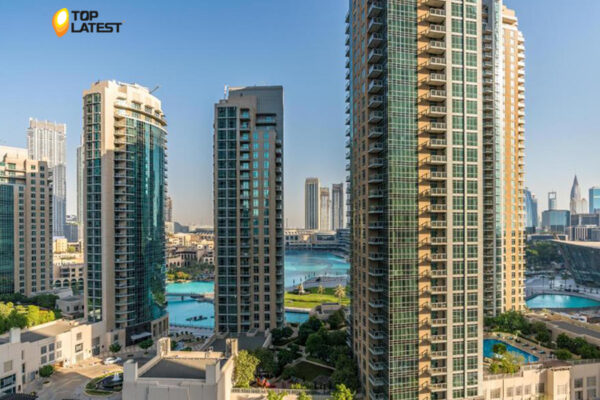

The United Arab Emirates (UAE) has become a global hotspot for real estate investment, attracting non-resident investors with its high rental yields, tax-free returns, and world-class infrastructure. Cities like Dubai, Abu Dhabi, and Sharjah offer diverse property portfolios—from luxury villas to waterfront apartments. However, buying property as a non-resident in the UAE requires a careful understanding of local laws, regulations, and procedures. This blog outlines the key legal considerations to keep in mind before investing in UAE real estate.
1. Freehold vs Leasehold Ownership
One of the first things non-resident investors must understand is the distinction between freehold and leasehold properties.
- Freehold Property: This allows full ownership of the property and the land it stands on. Non-residents can buy freehold properties in designated areas approved by the emirate’s government, most notably in Dubai and Abu Dhabi. These areas are open to foreign investors and are popular due to the full ownership rights they offer.
- Leasehold Property: In a leasehold arrangement, you lease the property for a specific period, typically 30 to 99 years. While you own the rights to use the property, you don’t own the land. These are often seen in more traditional or government-regulated zones.
Legal Tip: Ensure the property you are interested in lies within an area that permits foreign ownership.
2. Choosing the Right Emirate and Location
Each emirate has its own real estate regulations. For instance:
- Dubai allows non-residents to buy property in over 60 designated freehold zones, including Downtown, Dubai Marina, Palm Jumeirah, and JVC.
- Abu Dhabi recently expanded ownership laws allowing foreigners to own property in certain investment zones like Saadiyat Island and Al Reem Island.
- Sharjah traditionally had stricter laws but now permits non-GCC nationals to purchase leasehold properties.
Legal Tip: Always verify the latest regulations with a licensed real estate agent or legal consultant, as property laws can evolve rapidly.
3. Engaging a Registered Real Estate Agent
Using a Real Estate Regulatory Agency (RERA)-certified broker (especially in Dubai) ensures that the transaction is legally sound and you are protected from fraudulent practices. These agents are bound by ethical and legal guidelines and can guide you through the process from start to finish.
Legal Tip: Ask for the agent’s RERA ID and ensure all communications are documented.
4. Understanding the Sales Agreement and MoU
After selecting a property, both the buyer and seller must sign a Memorandum of Understanding (MoU). This outlines the terms and conditions of the sale, including:
- Purchase price
- Payment terms
- Transfer date
- Conditions of sale
Typically, a 10% deposit is paid by the buyer at this stage. Ensure the MoU includes clauses protecting your interests in case of delays or cancellations.
Legal Tip: Have a property lawyer review the MoU before signing.
5. Property Registration and Transfer
To legally complete the transaction, the property must be registered with the Dubai Land Department (DLD) or the respective authority in the emirate where the property is located. The buyer and seller meet at the registration trustee office to finalize the transfer.
- Transfer Fees: Usually 4% of the property value in Dubai (may vary in other emirates).
- No Objection Certificate (NOC): Required from the developer to ensure there are no outstanding dues on the property.
Legal Tip: Ensure the property is free from encumbrances, mortgages, or disputes by requesting a title deed verification from the land department.
6. Financing and Mortgage Laws for Non-Residents
Non-residents can obtain mortgages in the UAE, but the terms are typically more stringent compared to residents:
- Down payment: At least 20–25% of the property’s value
- Loan term: Typically 25 years or less
- Eligible age: Usually up to 65–70 years old
- Required documents: Passport, proof of income, bank statements, credit report, and employment verification
Legal Tip: Work with a UAE-based mortgage advisor to understand your eligibility and compare offers from different banks.
7. Taxation and Fees
One of the UAE’s most attractive features is its no capital gains tax and no annual property tax policy. However, there are other costs to keep in mind:
- Transfer fees (e.g., 4% in Dubai)
- Agency commissions (typically 2%)
- Mortgage registration fees (0.25% of the loan amount)
- Service charges for the maintenance of shared areas (varies depending on the community and developer)
Legal Tip: Clarify the service charge cost and payment schedule before purchasing a property.
8. Golden Visa Eligibility
Investing in property can also make you eligible for a UAE Golden Visa. If you invest a minimum of AED 2 million (approx. USD 545,000) in real estate, you may qualify for a 10-year renewable visa.
Legal Tip: Consult immigration and legal experts to assess your eligibility and prepare the required documentation.
9. Inheritance and Succession Laws
The UAE follows Sharia law for inheritance by default. If a non-Muslim dies without a registered will, their assets in the UAE (including property) may be distributed under Sharia principles.
To avoid this:
- Register a will with the DIFC Wills Service Centre (for Dubai and Ras Al Khaimah)
- Consider creating a trust or corporate structure for succession planning
Legal Tip: Consult a legal advisor to ensure your assets are protected and distributed as per your wishes.
Conclusion
Buying property in the UAE as a non-resident is an accessible and potentially lucrative opportunity. However, understanding the legal landscape is crucial to ensure a safe and successful transaction. From identifying the right ownership model and location to registering a will and exploring visa benefits, taking the right legal steps can help you maximize your investment while staying compliant with UAE law.
Always seek professional legal and real estate guidance to navigate the UAE’s property market with confidence.