The United Arab Emirates (UAE) has long been known for its iconic skylines, ambitious infrastructure, and luxurious developments. Yet, in recent years, the nation has also emerged as a leader in sustainability and green innovation. From towering skyscrapers that meet LEED standards to eco-friendly residential communities, the UAE is steadily building a future where modernity and environmental responsibility go hand in hand. Among the most exciting trends shaping this vision are green roofs, solar-powered homes, and sustainable construction practices.
Why Sustainability Matters in the UAE
The UAE’s rapid urbanization and desert climate present unique challenges—rising energy consumption, water scarcity, and heat island effects being the most prominent. With global attention on climate change and the UAE hosting platforms like COP28, the nation is more committed than ever to reducing its carbon footprint. Sustainable architecture is a natural step forward, offering solutions that conserve energy, reduce waste, and enhance residents’ quality of life.
Green Roofs: Oases in the Sky
A green roof is more than a decorative feature—it’s a living ecosystem atop a building. By covering rooftops with vegetation, the UAE is redefining how urban spaces interact with the environment.
Benefits of Green Roofs in the UAE
- Temperature Regulation: In a desert climate, green roofs act as natural insulators, keeping interiors cooler and reducing reliance on air conditioning.
- Stormwater Management: They absorb rainwater, preventing runoff and easing pressure on drainage systems.
- Air Quality Improvement: Plants filter pollutants and dust, a crucial factor in urban centers.
- Enhanced Aesthetics: Green roofs transform concrete skylines into lush, inviting landscapes.
Cities like Dubai and Abu Dhabi are already experimenting with rooftop gardens in commercial spaces, luxury hotels, and even residential complexes. These initiatives not only promote sustainability but also provide much-needed greenery in dense urban environments.
Solar Homes: Harnessing Desert Sunshine
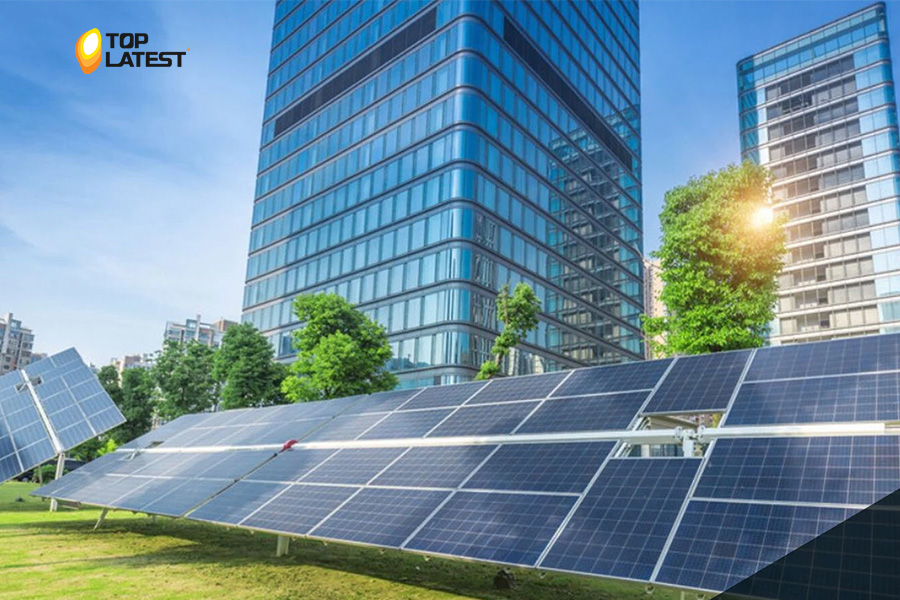
With abundant sunshine year-round, the UAE is ideally positioned to embrace solar energy. Solar homes—residences designed with photovoltaic (PV) panels integrated into their roofs and facades—are becoming a cornerstone of sustainable living.
The Rise of Solar Energy in Housing
Government policies such as Dubai’s Shams Dubai Initiative encourage homeowners to install solar panels and connect them to the grid. The benefits are clear:
- Lower Energy Bills: Homeowners can generate their own electricity, cutting down on utility costs.
- Sustainability Credits: Solar adoption helps communities meet national clean energy targets.
- Energy Independence: Residents reduce reliance on fossil fuels, a long-term win for the planet.
Large-scale projects like Masdar City highlight how solar integration can power entire communities. Beyond utility savings, these homes symbolize the UAE’s commitment to pioneering a renewable energy future.
Sustainable Builds: Beyond Bricks and Mortar
Sustainability is not just about green roofs or solar panels—it’s about rethinking every stage of construction. From material selection to waste management, sustainable builds emphasize efficiency and environmental responsibility.
Key Features of Sustainable Construction in the UAE
- Eco-Friendly Materials: Builders are increasingly using recycled steel, low-carbon cement, and sustainably sourced wood.
- Smart Water Management: Technologies like greywater recycling and low-flow fixtures help address water scarcity.
- Energy-Efficient Design: Passive cooling techniques, improved insulation, and double-glazed windows reduce energy loads.
- Waste Reduction: Construction sites are adopting circular economy principles by reusing and recycling materials.
Many developments are also working toward green building certifications such as LEED (Leadership in Energy and Environmental Design) or Estidama, the UAE’s own sustainability framework.
Government Initiatives Driving Change
The success of sustainable architecture in the UAE is not solely a result of market demand. Government leadership plays a vital role. Policies like the UAE Green Agenda 2030 and the Dubai Clean Energy Strategy 2050 set ambitious targets for renewable energy and eco-friendly development.
Municipal authorities are also encouraging developers to prioritize green building codes. For example, in Dubai, new buildings must meet specific sustainability standards, ensuring that eco-friendly practices are woven into the fabric of urban growth.
Real-World Examples of Sustainable Builds
- Masdar City (Abu Dhabi): A global benchmark for sustainable urban living, featuring solar panels, green building designs, and car-free zones.
- Sustainable City (Dubai): A residential development powered by solar energy, complete with greenhouses, recycled water systems, and car-free clusters.
- Aljada (Sharjah): A mixed-use project designed with energy-efficient building methods and pedestrian-friendly layouts.
These projects demonstrate that sustainability is not an abstract concept but a practical, scalable model for communities.
The Economic and Social Value of Sustainable Living
While the environmental benefits are clear, sustainable architecture also brings economic and social value:
- Property Value: Eco-friendly homes often command higher resale values.
- Health and Well-Being: Better air quality, natural lighting, and green spaces enhance residents’ lifestyles.
- Job Creation: The shift toward sustainable construction fuels demand for new skills and industries, from solar panel installation to eco-engineering.
This multi-dimensional value makes sustainable builds an attractive option for investors, homeowners, and policymakers alike.
Challenges Ahead
Despite the progress, challenges remain:
- High Upfront Costs: Green roofs and solar installations require significant investment.
- Maintenance: Ensuring the long-term health of green roofs in a desert climate can be resource-intensive.
- Awareness Gaps: Many consumers are still unfamiliar with the long-term savings of sustainable features.
Addressing these challenges will require stronger partnerships between governments, developers, and residents.
Looking Toward the Future
The UAE’s journey toward sustainable architecture is only beginning. With Expo 2020 Dubai’s legacy projects, COP28 discussions, and a global spotlight on climate solutions, the momentum is strong. In the future, we can expect:
- Smart cities where every building integrates renewable energy and green design.
- Wider adoption of vertical farming and urban agriculture on rooftops.
- Increased use of AI and IoT to optimize building energy consumption.
The convergence of technology, design, and policy ensures that the UAE’s cities will continue to evolve into hubs of sustainability.
Conclusion
Green roofs, solar homes, and sustainable builds are not passing trends in the UAE—they are essential steps toward a resilient, eco-friendly future. By embracing these innovations, the nation is proving that environmental responsibility and modern urban living can go hand in hand. For residents, investors, and developers, the message is clear: sustainability is no longer optional; it is the blueprint for tomorrow.