The UAE has long been a pioneer in adopting futuristic trends, from record-breaking skyscrapers to smart cities designed for sustainable living. In recent years, this appetite for innovation has reshaped one of the country’s most important sectors: real estate. Homebuyers and investors are no longer satisfied with marble floors and luxury finishes alone; they increasingly demand smart technologies that enhance comfort, convenience, and energy efficiency. From intelligent kitchen appliances to AI-driven, voice-controlled HVAC systems, technology is becoming a defining factor in property value and buyer decisions across the Emirates.
The Rise of Smart Kitchens
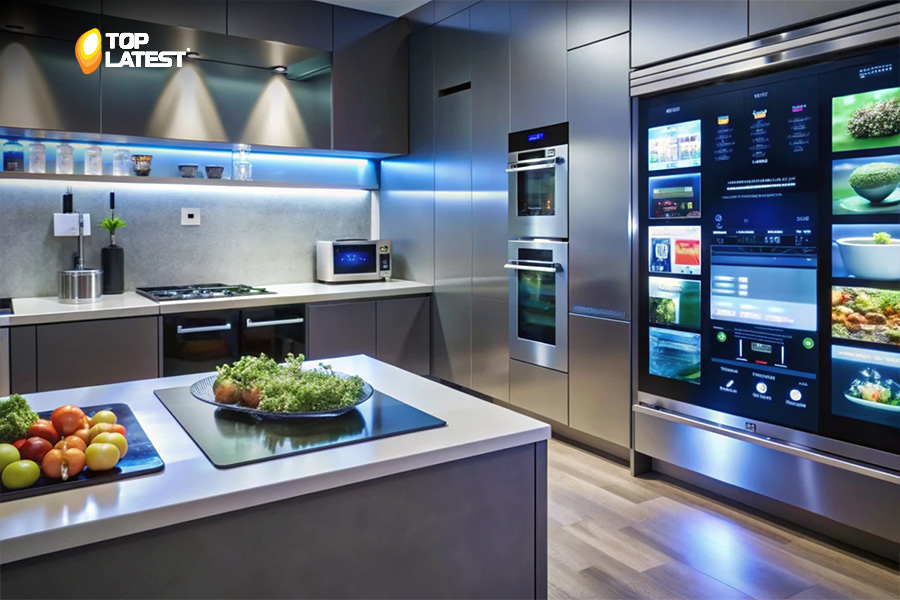
Traditionally, kitchens were designed as functional spaces. In the UAE, however, they are now evolving into intelligent hubs that combine functionality with futuristic living.
- Connected Appliances: Smart refrigerators that track food inventory, suggest recipes, and notify owners when groceries run low are fast becoming a selling point in luxury developments.
- App-Controlled Ovens and Stovetops: These allow residents to preheat ovens on their way home, ensuring dinner is ready at the perfect time.
- Voice-Enabled Assistants: Integration with platforms like Alexa or Google Home enables hands-free cooking instructions, timer settings, and even ordering of ingredients.
For real estate developers, showcasing fully equipped smart kitchens isn’t just about lifestyle—it’s about market positioning. Buyers in Dubai, Abu Dhabi, and Sharjah increasingly view technology-driven kitchens as essential rather than optional, especially in premium segments.
Voice-Controlled HVAC Systems
The UAE’s hot climate makes air conditioning indispensable. Yet, traditional HVAC systems often consume vast amounts of energy, raising both costs and environmental concerns. Enter voice-controlled and AI-driven HVAC solutions.
- Energy Efficiency: Smart thermostats learn residents’ preferences and adjust cooling automatically to minimize wastage.
- Voice and App Control: Residents can set the perfect temperature using a simple voice command or mobile app, even before arriving home.
- Integration with IoT Ecosystems: Advanced systems sync with sensors around the home to detect occupancy, ensuring air conditioning is only used when needed.
This level of customization not only improves comfort but also aligns with the UAE government’s sustainability goals, such as the Dubai Clean Energy Strategy 2050. For developers, properties featuring such systems stand out as eco-friendly and forward-thinking.
Home Automation as a Standard Feature
Beyond kitchens and HVAC, automation is becoming a baseline expectation for modern UAE homeowners. Smart lighting, automated blinds, and AI-driven security systems are now integral to many new residential projects.
- Smart Lighting: Lights that adjust brightness based on natural light levels or switch off when rooms are vacant save both energy and money.
- Security Innovations: Facial recognition entry, motion-sensitive surveillance, and remote monitoring offer peace of mind to residents in both villas and apartments.
- Centralized Control Panels: Many luxury homes feature control hubs—either touchscreens or apps—that allow residents to manage all smart devices seamlessly.
Such features were once considered luxuries; now, they are quickly becoming non-negotiables, particularly in high-end properties.
Sustainability and Green Living
Home technology in the UAE isn’t just about luxury; it’s also about sustainability. With increasing emphasis on environmental responsibility, technology helps homeowners reduce their carbon footprint.
- Smart Water Management: Sensors detect leaks instantly, preventing waste and damage—critical in a country where water conservation is a priority.
- Solar Integration: Smart systems manage solar panels, optimizing energy storage and distribution.
- Eco-Friendly Materials: Homes are increasingly designed with sustainable building materials complemented by smart energy-saving devices.
This synergy between technology and sustainability is particularly attractive to younger, eco-conscious buyers and global investors seeking long-term value.
The Impact on Real Estate Value
Developers and real estate agents in the UAE note a growing premium for smart homes. A villa with automated systems and energy-efficient appliances can command a significantly higher price than a traditional home of similar size. Moreover:
- Rental Appeal: Expats, who make up a majority of UAE residents, often prefer technologically advanced properties for convenience and modern living.
- Future Proofing: Buyers see smart homes as investments that will retain or even increase in value as technology becomes universal.
- Market Differentiation: In a competitive market like Dubai, where luxury homes abound, technology gives projects an edge.
Thus, home tech is no longer a niche; it’s an essential differentiator influencing both immediate sales and long-term appreciation.
Challenges and Considerations
Despite the enthusiasm, there are challenges to widespread adoption of home technology in UAE real estate.
- Cost of Installation: Smart systems, particularly for large properties, can be expensive, which may deter some mid-market buyers.
- Interoperability Issues: Not all devices integrate seamlessly, creating complications for homeowners managing multiple brands.
- Cybersecurity Risks: With homes becoming increasingly connected, protecting systems from hacking and unauthorized access is a growing concern.
- Maintenance Needs: Smart systems require periodic updates and skilled technicians, which may add to operational costs.
Developers and service providers must address these issues to ensure the smooth integration of technology into everyday living.
Looking Ahead: The Future of Smart Homes in the UAE
The future of UAE real estate lies in intelligent design. As the country prepares for global events like COP28 and continues its smart city ambitions, residential properties are expected to adopt even more advanced technologies. Predictions include:
- AI-Driven Personalization: Homes that anticipate resident needs, from adjusting lighting to suggesting entertainment options.
- 5G-Enabled Ecosystems: Faster, more reliable connectivity will make smart home networks more efficient and scalable.
- Integration with Autonomous Mobility: Future smart homes may sync with autonomous vehicles, ensuring seamless living experiences from door to door.
- Wider Accessibility: As costs decrease, smart features will extend from luxury towers in Downtown Dubai to affordable housing in Sharjah and beyond.
In short, smart living is transitioning from luxury to lifestyle standard in the Emirates.
Conclusion
From smart kitchens that simplify daily routines to voice-controlled HVAC systems that balance comfort with energy efficiency, technology is shaping the future of UAE real estate. Buyers today are not just investing in square footage—they’re investing in a connected lifestyle that aligns with sustainability, convenience, and prestige. For developers, integrating advanced technologies is no longer optional; it is the key to staying competitive in one of the world’s most innovative property markets. As the UAE continues to position itself as a hub for futuristic living, smart homes will undoubtedly play a central role in redefining modern real estate.