The UAE property market in 2025 stands at an interesting crossroad—buoyed by robust economic growth, global investor confidence, and demographic expansion, while also facing headwinds from a rapid rise in supply and a maturing cycle. Each emirate is charting its own course, and understanding the differences is key to making smart investment decisions.
Dubai: Growth Moderates, Prime Remains Resilient
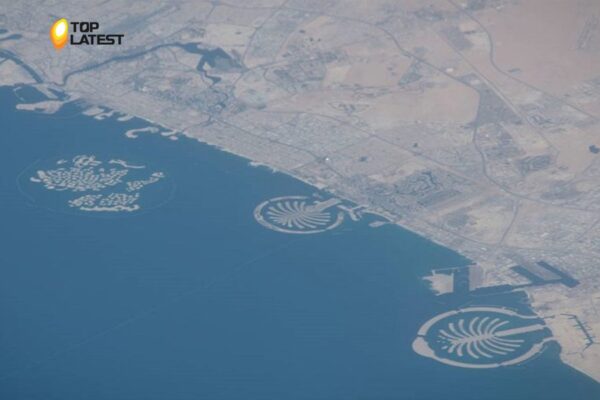
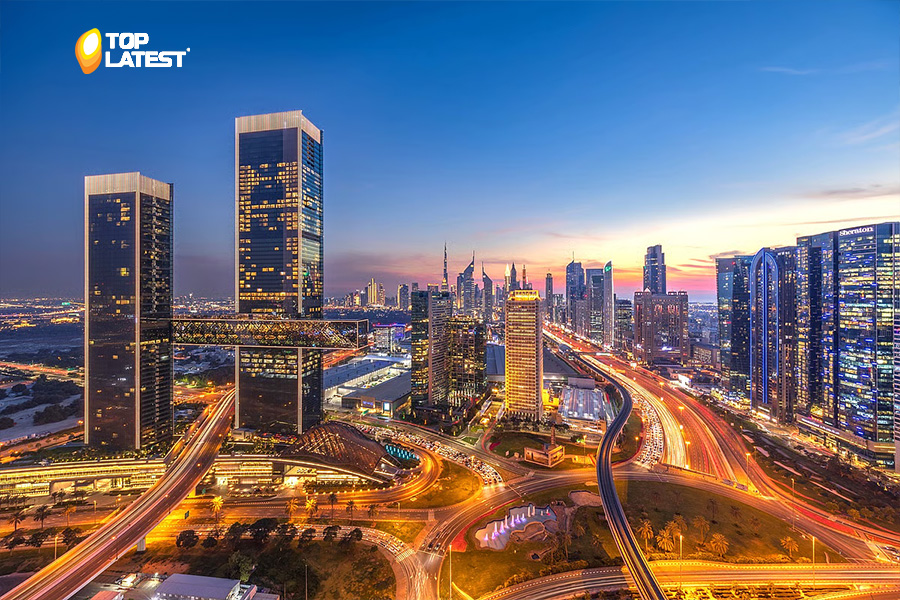
Dubai continues to lead as the region’s most dynamic real estate hub. Prices have seen strong growth through the past two years, and 2025 has carried forward that momentum—though at a more measured pace.
- Apartments in mid-market districts are showing flatter growth, with increases tapering to low single digits.
- Prime and ultra-prime villas and branded residences remain strong, supported by global high-net-worth buyers, limited supply, and Dubai’s growing status as a wealth magnet.
The city’s rapid pipeline expansion—tens of thousands of new units scheduled for delivery this year—means investors should expect slower appreciation overall. Yet, in sought-after communities with limited space, demand continues to outstrip supply, ensuring resilience in luxury price segments.
Abu Dhabi: Consistent and Sustainable Gains
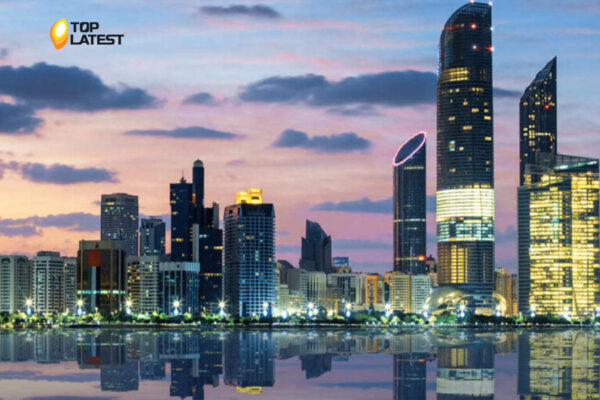
Abu Dhabi offers one of the most balanced markets in the UAE. Residential prices have been rising at double-digit rates year-on-year, particularly in family-oriented villa communities. Several factors are supporting growth:
- Government-backed infrastructure projects and diversification initiatives.
- A measured supply pipeline compared to Dubai.
- Strong rental yields appealing to long-term investors.
The capital city is well-positioned to sustain mid-single-digit growth in 2025, making it attractive for buyers seeking stability rather than short-term speculation.
Sharjah: Affordability and End-User Strength
Sharjah has quietly emerged as a standout in 2025. Real estate transaction volumes surged significantly in the first half of the year, reflecting the emirate’s role as an affordability hub for UAE residents.
- Integrated master-planned communities offering schools, parks, and retail are especially popular.
- Prices are moving steadily upwards, with low-to-mid single-digit gains expected across most districts.
With demand largely driven by end-users rather than speculators, Sharjah’s market outlook is underpinned by long-term stability.
Ras Al Khaimah (RAK): Tourism-Driven Hotspot
RAK has become one of the UAE’s most exciting real estate stories, thanks to tourism-led developments and large-scale branded waterfront projects. Prices surged in early 2025, with some areas recording record growth.
- Al Marjan Island and other coastal zones remain particularly attractive.
- The emirate is set to double its residential stock by 2030, which may slow price momentum in the medium term.
For now, price growth is expected to normalize to more sustainable levels, but demand for high-end, resort-style living keeps investor interest strong.
Ajman: Value-Focused Growth
Ajman continues to attract residents seeking more affordable alternatives to Dubai and Sharjah. Migration from higher-cost cities has kept sales and rental markets vibrant.
- Apartment prices have shown healthy gains, with steady rental demand providing landlords with strong yields.
- The emirate’s smaller size and tighter community developments make it especially appealing to families.
Expect Ajman to maintain mid-single-digit growth throughout 2025, driven by affordability and location advantages.
Key Risks to Watch
While the outlook remains broadly positive, several factors could influence trends:
- Supply pressure: A surge of new handovers could test absorption rates in oversupplied districts, especially in Dubai.
- Global macro factors: Shifts in oil markets, interest rates, or global liquidity conditions could dampen sentiment.
- Rental normalization: After years of steep rent hikes, rental growth is already slowing in some emirates.
Investors should model scenarios that include a potential correction in high-supply corridors to ensure resilience.
Investor Takeaways for 2025
- Segment carefully. Not all areas are equal—prime waterfront villas in Dubai and RAK will likely continue outperforming, while some mid-market apartments may stagnate.
- Favor master-planned communities. In Sharjah and RAK especially, integrated developments with strong amenities drive long-term value.
- Focus on rental yields. With price growth stabilizing, returns will increasingly depend on sustainable rental income.
- Adopt a mid-to-long-term horizon. Given supply risks, short-term flipping is riskier in 2025; holding power will be crucial.
Conclusion
The UAE’s property market in 2025 remains dynamic, diverse, and full of opportunity—but also more complex than in recent years. Dubai is transitioning into a more balanced growth phase, Abu Dhabi is proving its strength as a stable market, Sharjah is thriving on affordability, Ras Al Khaimah is riding a tourism boom, and Ajman continues to attract value-focused buyers.
For investors, the message is clear: the cycle isn’t over, but strategy matters. Careful selection of city, community, and segment will separate outperformers from laggards. By focusing on fundamentals—jobs, infrastructure, tourism, and community quality—savvy buyers can still unlock compelling returns across the Emirates in 2025.