Liwa is one of those places in the UAE that stays quiet in the popular imagination until you actually go. Ask most Dubai and Abu Dhabi residents about weekend getaways and the answers rotate through the usual list: Hatta, Ras Al Khaimah, Fujairah. Liwa sits further out, deeper south, and precisely because of that distance it offers something the closer options cannot match, a genuine sense of the Empty Quarter, the world’s largest continuous sand desert, unfolding in every direction. For a first timer, this guide walks you through how to plan the drive, where to sleep, which cultural stops to build in, and what actually makes the dunes here different from anything else in the country.
Where Liwa Sits and Why It Matters
Liwa is a crescent of oases in the Al Dhafra region of Abu Dhabi emirate, tucked against the northern edge of the Rub al Khali. The area stretches roughly 100 kilometres from Mezaira’a in the centre, arcing east and west through small villages, date farms, and forts. This is the historic homeland of the Bani Yas tribe, from which the ruling families of Abu Dhabi and Dubai descend, which gives the region cultural weight far beyond its population size. When you drive into Liwa, you are moving through the actual origin geography of the modern UAE.
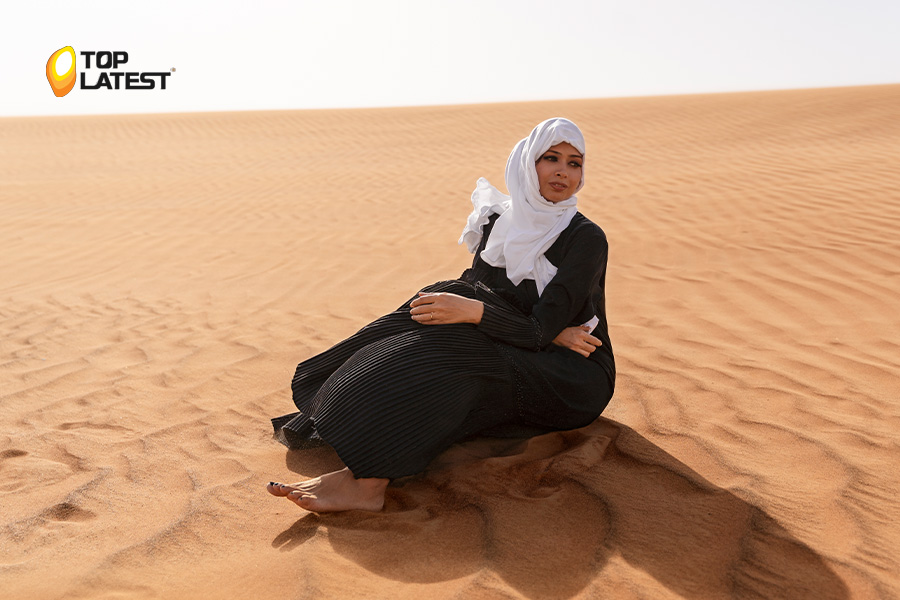
The Empty Quarter itself is the reason people come. It is the largest expanse of continuous sand on the planet, sweeping across the southern Arabian Peninsula, and Liwa is the accessible northern gateway to it. The dunes are taller, softer, and more sculptural than the popular desert areas closer to Dubai. According to the Department of Culture and Tourism, Abu Dhabi, Moreeb Dune rises around 300 metres, making it among the tallest dunes in the world by relative height and one of the most photographed formations in the region. That scale is what changes the experience: you are not skirting a desert edge, you are standing inside one.
Getting There: The Drive from Dubai and Abu Dhabi
From Dubai, the drive to Mezaira’a runs about 350 kilometres and takes roughly three and a half to four hours via the E11 and then the E65 south from Abu Dhabi. From Abu Dhabi city itself, you are looking at around 200 kilometres, closer to two and a half hours. The road is modern, well surfaced, and largely empty once you clear the outskirts of the capital. Petrol stations thin out as you go further south, so filling up at Ghayathi or Madinat Zayed is standard practice.
You do not need a four wheel drive to reach Liwa or to enter the villages, camps, and resorts. A standard sedan handles the tarmac comfortably. A four wheel drive only becomes essential if you plan to leave the paved road and enter the dunes themselves, which most first timers do through a guided experience rather than solo.
The Best Time to Plan Your Visit
Liwa reveals itself differently across the seasons, and matching your trip to the calendar makes a real difference. The cool season runs from late October through early April, with daytime highs typically between 22 and 28 degrees Celsius and clear night skies that turn cold enough to warrant a jacket. This window is when most residents visit, and it is when the desert is at its most comfortable for hiking dunes, camping, and long drives. If you want a broader sense of how UAE weather patterns shape outdoor plans across the year, our month by month guide to exercising outdoors in the UAE lays out the seasonal rhythm in useful detail.
The Liwa Date Festival, organised each July by the Abu Dhabi Heritage Authority at the Liwa Sports Club, is a notable exception to the cool season rule. It draws farmers, traders, and visitors from across the country to celebrate the date harvest, and it remains one of the region’s most authentic cultural gatherings even in peak summer heat. If you are planning a first visit specifically for atmosphere and culture rather than dune activity, the festival is worth structuring a trip around.
Where to Stay: Camps, Resorts, and Everything Between
Accommodation in Liwa spans a genuine range, and the most established, high demand options are worth knowing first.
Qasr Al Sarab Desert Resort by Anantara is the flagship. Set deep in the dunes about 30 minutes drive from Mezaira’a, the property is built to resemble a traditional fortress and consistently ranks among the most recognised luxury desert stays in the world. Rooms open onto uninterrupted dune vistas, and the resort operates its own falconry, camel trekking, dune drives, and archery programmes. This is the option most first timers gravitate toward when they want the full immersive experience without any logistical friction.
Tilal Liwa Hotel sits at the northern edge of the crescent, closer to the road in from Madinat Zayed. It is a mid range four star property offering strong value, particularly for families or groups who want a comfortable base without the resort premium. Sunset views from the pool deck are exceptional.
Beyond the two anchor properties, a growing number of independent Bedouin style tented camps operate on the fringes of the dunes, particularly around Moreeb. These are seasonal, typically running from October through April, and they offer a more stripped back experience: shared dining tents, bonfires, traditional gahwa service, and stargazing without the resort layer. Booking directly through operators or via Abu Dhabi tourism channels is the reliable route.
Cultural Stops Worth Building In
The temptation on a first Liwa trip is to focus entirely on dunes, but the cultural stops along the arc are what turn the visit into something more than a photo run.
Mezaira’a is the administrative and social heart of Liwa. The town is compact but has a working souq, a few local restaurants serving Emirati food, and easy access to the forts and heritage sites scattered through the oasis. Walking through the palm groves in the late afternoon, when the light softens and the temperature drops, is one of the quiet highlights of the region.
Mezaira’a Fort and the older watchtowers along the crescent were built in the eighteenth and nineteenth centuries to protect the oasis settlements and the caravan routes moving between the coast and the interior. Several have been restored and are open to visitors, and they offer a concrete sense of how the Bani Yas managed water, agriculture, and defence in the pre oil era.
The date farms across Liwa are a working part of the region’s economy, and many welcome informal visits during the harvest window from June through September. Some of the older cooperative farms around Hameem and Ghayathi are particularly welcoming, and buying dates directly from a grower is a modest but memorable part of the trip.
For visitors newer to the UAE who want to understand how these heritage layers connect to daily life in the country today, our first year survival guide for expats offers a useful cultural companion.
Activities Beyond the Drive
Dune driving is the marquee activity, and doing it with a licensed operator on your first visit is the sensible choice. Most resorts and camps arrange guided drives, and the two hour sunset session is the standard first timer format. Sandboarding is often bundled in, and Moreeb Dune remains the most popular launch point.
Camel trekking through the oasis is quieter, slower, and arguably more evocative of the region’s actual history. Sessions typically run for one to two hours and are family friendly.
Stargazing is the underrated activity. The Empty Quarter has some of the darkest skies in the Gulf, and on a clear moonless night the Milky Way is visible without any equipment. Bringing a simple pair of binoculars transforms the evening.
For those weighing Liwa against other short break options, a two night trip built around one dune session, one cultural morning, and one long, slow evening is the format most first timers return home wishing they had planned from the start.
What to Pack and Prepare
The essentials are straightforward. Carry more water than you think you need, three to four litres per person per day is a reasonable baseline for active days. Layered clothing works better than heavy jackets, as desert temperatures swing significantly between day and night. Sunblock, a wide brimmed hat, closed shoes for dune walks, and a light scarf for wind protection round out the standard list. Download offline maps before you leave, as mobile signal is reliable along the main roads but thins out inside the deeper dune tracks.
If you are camping outside a resort, confirm with your operator what is provided and what you should bring. Sleeping bags rated for cool nights, headlamps, and a small first aid kit are typically on the personal responsibility list.
Bringing It Together
Liwa rewards visitors who arrive with a plan and the patience to let the landscape set the pace. Two nights is the practical minimum for a first trip, giving you one full day for the drive in and cultural stops, and a second day for dunes, camps, and the slow, unhurried evening the region does better than anywhere else in the country. It is a trip that changes how you understand the UAE, and most first timers come back with the sense that they saw a version of the country that the coastal cities alone cannot show.
For more travel guides across the Emirates, explore the full travel section on toplatest.ae, where seasonal itineraries, family friendly routes, and cultural deep dives are updated regularly.
Sources
- Department of Culture and Tourism, Abu Dhabi
- Abu Dhabi Heritage Authority
- Emirates Motor Sports Federation
- National Center of Meteorology, UAE
- The National
Frequently Asked Questions
Liwa sits in the Al Dhafra region of Abu Dhabi emirate, about 350 kilometres from Dubai and around 200 kilometres from Abu Dhabi city. The drive from Dubai takes roughly three and a half to four hours via the E11 and E65, while Abu Dhabi residents can reach Mezaira’a in about two and a half hours. Roads are modern and well surfaced throughout, and a standard sedan is sufficient for the tarmac journey.
The cool season from late October through early April is the most comfortable window, with daytime temperatures typically between 22 and 28 degrees Celsius and clear, cool nights ideal for camping and stargazing. Summer visits are possible for cultural reasons, particularly around the Liwa Date Festival in July, but daytime heat limits outdoor activity. Most first timers plan trips between November and March to enjoy the full range of dune experiences comfortably.
A four wheel drive is not required to reach Liwa or to stay at the resorts, camps, and villages, as the road network is fully paved. A standard sedan handles the drive comfortably. A four wheel drive becomes essential only if you plan to leave the tarmac and enter the dunes independently. Most first timers experience the dunes through licensed guided operators, which removes the need to bring or rent your own off road vehicle.
Qasr Al Sarab Desert Resort by Anantara is the most established luxury option, set deep in the dunes with full immersive programming including falconry and dune drives. Tilal Liwa Hotel offers strong four star value closer to the road in. Independent Bedouin style tented camps operate seasonally near Moreeb Dune for a more traditional experience. Two nights is the practical minimum to enjoy both the cultural stops and the desert activities properly.
Liwa is the historic homeland of the Bani Yas tribe and offers layered cultural depth beyond its landscape. Mezaira’a town has a working souq, Emirati restaurants, and easy access to restored eighteenth and nineteenth century forts. Working date farms welcome visitors during the June to September harvest window, and the annual Liwa Date Festival in July celebrates the region’s agricultural heritage. Palm grove walks in the late afternoon light are a quiet highlight.