
Introduction
The United Arab Emirates (UAE) has long been synonymous with luxury living, modern infrastructure, and cosmopolitan lifestyles. Over the past decade, however, a quieter shift has been taking place in the country’s rental housing market. Co-living and shared rental spaces—once associated with students or budget-conscious expatriates—are now becoming mainstream across Dubai, Abu Dhabi, Sharjah, and other emirates. This new housing trend is not only reshaping urban living but also redefining what community and affordability mean in one of the world’s most dynamic real estate markets.
Why Co-Living is Growing in the UAE
Several factors have converged to fuel the rise of co-living and shared rentals in the UAE:
- Affordability Pressures
With rising real estate prices and rental costs in major cities like Dubai and Abu Dhabi, many residents—especially young professionals and new expatriates—seek more affordable housing solutions. Shared spaces offer a way to access prime city locations without the burden of full rental costs. - Expatriate Workforce Dynamics
The UAE is home to millions of expatriates, many of whom move frequently for work. Co-living offers flexible rental contracts, furnished spaces, and utilities included—ideal for mobile professionals who don’t want the hassle of setting up a traditional lease. - Shifts in Lifestyle Preferences
Millennials and Gen Z professionals value experiences and community as much as private ownership. Co-living provides social interaction, networking opportunities, and lifestyle amenities that traditional rentals often lack. - Post-Pandemic Work Trends
The rise of hybrid and remote work has made living environments more important than ever. Co-living operators now market not just affordable housing but also high-speed internet, co-working lounges, and shared leisure facilities.
The Business Model Behind Shared Rentals
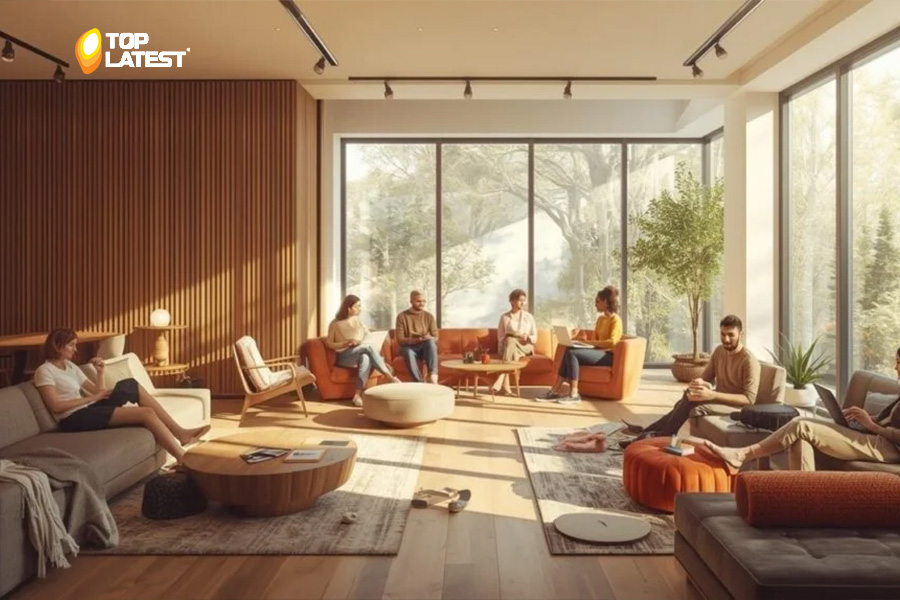
Co-living operators typically lease or own large properties, then redesign them into shared living spaces. These properties often feature:
- Private Bedrooms: Each resident has their own furnished room, often with an en-suite bathroom.
- Shared Amenities: Kitchens, gyms, lounges, co-working spaces, and sometimes even game rooms or rooftop terraces.
- All-Inclusive Pricing: Utilities, Wi-Fi, cleaning services, and maintenance bundled into one rent payment.
- Flexible Contracts: Options for short-term stays, unlike traditional one-year leases common in the UAE.
This model not only appeals to residents but also to investors and landlords, as it increases rental yields by maximizing occupancy rates and offering premium shared facilities.
Dubai as the Epicenter of Co-Living
Dubai, with its diverse population and thriving real estate market, is leading the UAE in co-living adoption. Areas like Dubai Marina, JLT (Jumeirah Lakes Towers), and Business Bay are seeing a surge of co-living spaces tailored to professionals working nearby. Many real estate developers and property management firms now market co-living as a premium, community-driven alternative to studio apartments.
The Dubai Land Department has also been supportive, recognizing the demand for diversified housing models. Regulations are being updated to accommodate co-living operators while ensuring safety and quality standards for residents.
Abu Dhabi and Sharjah Following Suit
While Dubai leads in innovation, Abu Dhabi and Sharjah are not far behind. Abu Dhabi’s student population, thanks to its growing universities, creates strong demand for co-living. Meanwhile, Sharjah appeals to cost-conscious families and professionals working in Dubai but seeking affordable living arrangements. Developers in both emirates are experimenting with shared rentals that balance affordability with comfort.
Benefits of Co-Living in the UAE
For residents, co-living offers multiple advantages:
- Cost Savings: Shared rentals significantly reduce rent and utility expenses.
- Flexibility: Ideal for professionals on temporary contracts or those testing life in the UAE before committing long-term.
- Community: Social activities, networking events, and shared facilities foster a sense of belonging.
- Convenience: Fully furnished spaces remove the stress of setting up a new home.
For property owners and investors, co-living translates into higher occupancy rates, better rental yields, and access to a younger demographic seeking flexible housing.
Challenges and Considerations
Despite its growth, co-living faces certain challenges in the UAE:
- Regulatory Framework: Authorities are still refining rules around shared rentals, including licensing, tenant rights, and safety compliance.
- Privacy Concerns: Not everyone is comfortable with shared spaces, and cultural preferences in the UAE may limit adoption among certain demographics.
- Market Competition: As more co-living operators enter the market, maintaining differentiation through amenities and services becomes essential.
- Long-Term Viability: Questions remain about whether co-living will remain a trend or evolve into a permanent fixture in the housing sector.
The Future of Co-Living in the UAE
Looking ahead, co-living and shared rentals are likely to expand further, driven by government support for affordable housing initiatives and continued demand from the expatriate workforce. Technology will also play a key role, with smart-home features, app-based management systems, and AI-driven tenant matching enhancing the co-living experience.
Moreover, sustainability will become central. Many new co-living spaces are integrating eco-friendly designs, shared mobility options, and community initiatives that align with the UAE’s broader sustainability goals.
Conclusion
The rise of co-living and shared rentals across the UAE reflects more than just a shift in housing affordability—it marks a cultural transformation in how people live, work, and connect in urban spaces. With affordability, flexibility, and community at its core, co-living is redefining modern living in the UAE. While challenges remain, the trend shows every sign of becoming a vital part of the country’s real estate ecosystem, catering to the needs of a diverse, mobile, and forward-thinking population.