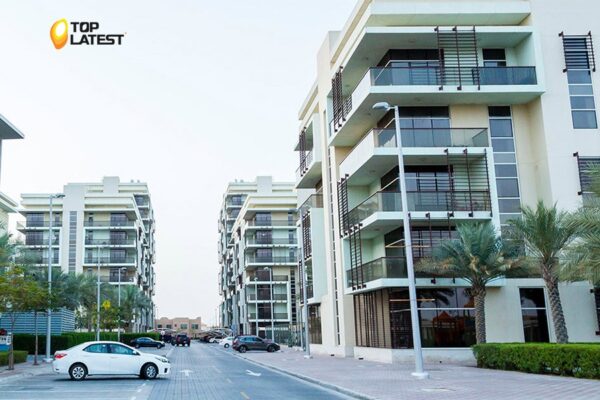

The United Arab Emirates (UAE) has long been a magnet for global investors, offering a thriving economy, luxurious lifestyle, and a world-class real estate market. For foreigners, the appeal of owning property in the UAE lies not only in the country’s status as a hub for business and tourism but also in its attractive tax benefits and liberal ownership rules. If you’re considering investing in real estate as a foreign buyer, understanding the tax implications and ownership regulations is crucial to making informed decisions.
Why the UAE Real Estate Market Attracts Foreign Investors
The UAE has developed into one of the most investor-friendly destinations in the Middle East. Dubai and Abu Dhabi, in particular, have positioned themselves as global property hotspots, offering a range of residential, commercial, and luxury real estate options. With stable governance, state-of-the-art infrastructure, and high rental yields, foreign investors find real estate in the UAE a compelling long-term opportunity.
But what makes the UAE stand out is its combination of ownership flexibility and tax efficiency, two aspects that directly affect foreign buyers.
Ownership Rules for Foreign Buyers in the UAE
1. Freehold vs. Leasehold Ownership
The UAE allows foreigners to own property in designated areas, commonly known as freehold zones. In these zones, foreign nationals enjoy full ownership rights over the property and the land it stands on. Popular freehold areas in Dubai include Downtown Dubai, Palm Jumeirah, Dubai Marina, and Business Bay.
Outside of freehold areas, foreign buyers may have access to leasehold ownership. This typically allows ownership rights for up to 99 years, but the land remains under the ultimate ownership of a local Emirati or the government. While not as flexible as freehold, leasehold arrangements still offer security and long-term usability for investors.
2. Eligible Buyers
The UAE does not impose strict residency requirements for property ownership. Both residents and non-residents can purchase property in designated freehold zones. This means that even if you live abroad, you can still legally own a villa, apartment, or commercial unit in Dubai or Abu Dhabi.
3. Registration and Title Deeds
All property purchases by foreign investors must be registered with the relevant land department, such as the Dubai Land Department (DLD) or Abu Dhabi Department of Municipalities and Transport. Buyers receive a title deed that legally certifies ownership, ensuring transparency and protection under UAE law.
Tax Benefits of Owning Property in the UAE
One of the most significant advantages for foreign buyers is the UAE’s favorable tax regime. Unlike many global property markets, the UAE imposes minimal taxation on real estate transactions and ownership.
1. No Annual Property Tax
Unlike countries such as the US, UK, or Canada, the UAE does not levy annual property taxes on real estate. Once you purchase a property, you don’t have to pay recurring taxes, which makes holding property here cost-efficient in the long term.
2. No Capital Gains Tax
If you decide to sell your property, you are not subject to capital gains tax on profits. This is a major benefit for investors looking to benefit from property appreciation without losing a percentage of their returns to taxation.
3. No Income Tax on Rental Yields
Foreign investors who rent out their properties enjoy tax-free rental income. This makes real estate in Dubai and Abu Dhabi especially appealing for buyers focused on steady, high-yield rental returns.
4. Transfer Fees and One-Time Costs
While there are no ongoing property taxes, buyers should be aware of certain one-time fees. These include:
- Registration Fees: Typically 4% of the property value in Dubai, paid to the Dubai Land Department.
- Service Charges: Fees paid annually to cover building maintenance, amenities, and community services. Rates vary depending on the type of property.
- Mortgage Registration Fees: If financing is used, a one-time mortgage registration fee is charged, generally around 0.25% of the loan amount.
Financing Options for Foreign Buyers
Foreigners in the UAE can access mortgages through local and international banks, provided they meet certain eligibility requirements. While loan-to-value ratios and interest rates vary, foreign buyers can generally finance up to 70-80% of the property value. This accessibility further enhances the UAE’s reputation as a real estate investment hub.
Residency Benefits Linked to Property Investment
Another attractive benefit for foreign buyers is the opportunity to obtain residency visas through property ownership. In Dubai, for instance, investing in property worth AED 750,000 or more can qualify buyers for a renewable residency visa. Larger investments (AED 2 million and above) may even make investors eligible for long-term Golden Visas, offering 10 years of residency.
These residency-linked incentives add another layer of value to property investment, particularly for those looking to relocate or establish a base in the UAE.
Risks and Considerations for Foreign Buyers
While the UAE offers many benefits, foreign buyers should also be aware of certain considerations:
- Market Fluctuations: Property prices can fluctuate due to global economic shifts, supply-demand dynamics, or regulatory changes.
- Service Charges: High-end properties often carry higher service fees, which can affect rental yields.
- Ownership Limitations: Properties outside designated freehold areas remain restricted to leasehold arrangements for foreigners.
It’s advisable for foreign buyers to conduct thorough due diligence and work with licensed real estate agents, legal advisors, and financial consultants before committing to a purchase.
Future Outlook for Foreign Real Estate Investment in the UAE
The UAE continues to evolve its property laws and policies to attract foreign investment. Initiatives such as long-term residency visas, investor-friendly reforms, and Expo 2020’s legacy infrastructure projects have bolstered demand. With ongoing urban development and ambitious projects in the pipeline, the UAE real estate market is poised for sustainable growth.
Foreign buyers can expect greater clarity, more opportunities in emerging freehold zones, and continued tax advantages in the years ahead.
Conclusion
For foreign buyers, the UAE real estate market offers a rare combination of ownership flexibility, tax efficiency, and investment security. With no annual property taxes, no capital gains tax, and no income tax on rental yields, investors enjoy significant financial advantages compared to other global property destinations. Coupled with liberal ownership rules in freehold areas and residency benefits tied to investment, the UAE stands out as a premier choice for global real estate investors.
Whether you are seeking a luxury home, a rental property, or a commercial investment, understanding the tax benefits and ownership rules can help you make informed, profitable decisions. The UAE’s investor-friendly framework ensures that foreign buyers can confidently participate in one of the world’s most dynamic property markets.