
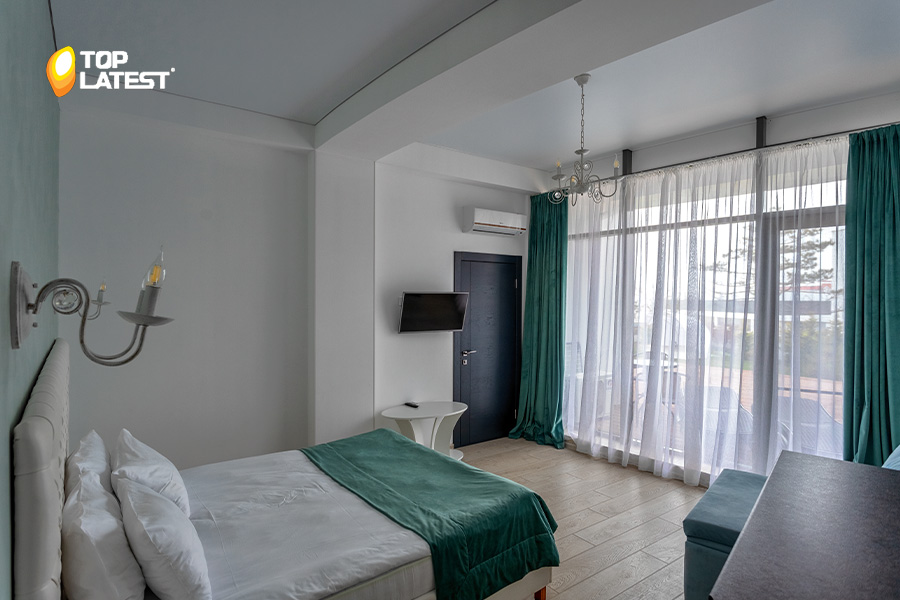
Hospitality sits at the centre of Emirati home life. In a UAE household, a guest room is not an afterthought. It is a quiet statement of welcome, prepared with the same intention you would bring to greeting a visitor at the majlis. Styling a guest bedroom that reflects Emirati hospitality means designing a space where comfort, culture, and considered detail meet, so every visitor feels honoured from the moment they step inside.
Whether you live in a Dubai villa, an Abu Dhabi apartment, or a townhouse in Sharjah, the principles remain consistent. The best guest rooms in the UAE combine traditional cues of generosity with modern comfort standards. The following guide walks through the design decisions, material choices, and finishing touches that bring that balance to life.
Why the Guest Room Carries Cultural Weight in the UAE
Guest hospitality, known locally as karam, is a defining feature of Emirati culture. Visitors are treated as a blessing, and the home is arranged to reflect that belief. The majlis traditionally serves as the first point of welcome, but the guest bedroom carries the second layer of hospitality. It extends the welcome into rest, privacy, and personal comfort.
This cultural weight shapes design choices. Rooms are built around calm, warmth, and generosity rather than minimalism for its own sake. Textures feel rich. Lighting feels soft. Scents feel familiar. The room should communicate care without needing a word.
Setting the Foundation with a Calm, Grounded Layout
A hospitable guest room starts with spatial clarity. Visitors arrive carrying luggage, time zone fatigue, and often a sense of unfamiliarity. The layout should answer those needs before any decorative choice is made.
Prioritise the Bed as the Anchor
Position the bed where it feels centred and visible from the doorway. In UAE homes, where guest rooms are frequently used by extended family staying for weeks at a time, a queen or king bed is standard. Allow at least sixty centimetres of walking space on both sides so guests can move around comfortably.
Build in Breathing Room
Avoid overcrowding the space with heavy furniture. A clear floor plan reflects generosity. Keep a dedicated zone for luggage, a seating corner if space allows, and clear sightlines to the window. In villa layouts across Al Barsha, Mirdif, or Khalifa City, this is often easy to achieve. In apartment layouts, a wall-mounted luggage rack and a slim bench at the foot of the bed can create the same effect.
Choosing a Palette That Reflects Emirati Warmth
Colour sets the emotional temperature of the room. Emirati interiors have long drawn from the natural landscape of the UAE, with sand tones, soft golds, warm whites, and desert-sunset accents forming a familiar visual vocabulary.
A grounded palette for a guest bedroom often includes a base of warm neutrals, such as ivory, bone, or soft beige, layered with accents of camel, terracotta, deep green, or muted gold. Avoid cold greys and stark whites. They can feel clinical and work against the warmth hospitality calls for.
For families looking to refresh an existing room without a full renovation, repainting one feature wall in a warm sand tone and updating textiles is often enough to shift the entire atmosphere. Property owners planning longer term upgrades can explore more ideas in the lifestyle and interiors sections on toplatest.ae for inspiration suited to UAE homes.
Layering Textiles the Emirati Way
Textiles do the heaviest lifting in a hospitable guest room. They signal softness, abundance, and care. Emirati homes have historically celebrated layered fabrics, from woven floor cushions in the majlis to richly embroidered throws across seating areas. The same instinct translates beautifully into the guest bedroom.
Bedding That Feels Generous
Start with high thread count cotton or linen sheets suited to the UAE climate. Both breathe well in warmer months and feel luxurious year round. Build the bed with a fitted sheet, a flat sheet, a lightweight duvet, two sleeping pillows, two European pillows, and one or two decorative cushions. This layered build mirrors the sense of plenty that defines Emirati welcome without feeling heavy.
Rugs, Throws, and Floor Comfort
A soft rug beside the bed signals thoughtfulness. Traditional sadu weaves, with their geometric black, red, and white patterns, offer a strong cultural reference. For a softer look, a plain wool or cotton rug in a warm neutral works well. A folded throw at the foot of the bed, ideally in a textured weave, adds a tactile layer that guests often appreciate on cooler evenings or in strongly air conditioned rooms.
Honouring Craftsmanship Through Furniture and Decor
Emirati design heritage leans on craftsmanship. Hand carved wood, inlaid mother of pearl, brass detailing, and woven palm elements all speak to generations of regional making. A guest bedroom does not need to be filled with heritage pieces to reflect this. One or two carefully chosen items are often more effective than a themed overload.
Consider a carved wooden side table, a brass tray on the dresser for welcome items, or a framed piece of Arabic calligraphy above the bed. Palm leaf baskets for storage, ceramic water carafes, or a small mashrabiya style screen near the window all add quiet cultural depth without turning the room into a museum display.
Lighting That Mirrors the Softness of the Majlis
Lighting is one of the most underused tools in guest bedroom styling. Harsh overhead lighting undermines the sense of welcome, no matter how beautiful the rest of the room is. Emirati majlis spaces are traditionally lit with warm, layered sources, and the guest bedroom benefits from the same approach.
Install a dimmable overhead light, two bedside lamps with warm bulbs around 2700 kelvin, and a small accent light near the dresser or seating corner. Lantern style fixtures with cut metal patterns throw beautiful shadows and add an unmistakable regional character. In apartments where fixture changes are limited, plug in table lamps and floor lamps achieve the same mood.
Scent, Sound, and Sensory Welcome
No Emirati home welcome is complete without bakhoor or oud. The guest bedroom is one of the most meaningful places to extend that sensory tradition. A small electric bakhoor burner, used sparingly before the guest arrives, leaves a familiar and refined scent. For guests sensitive to incense, a reed diffuser with oud, amber, or sandalwood offers a lighter alternative.
Keep the room acoustically calm. Heavier curtains help absorb sound, which matters in villa communities near main roads or in apartment towers in Downtown Dubai or Al Reem Island. A small Bluetooth speaker with a short preloaded playlist of calm instrumental music can be a thoughtful touch, though always optional for the guest to use.
Preparing the Welcome Tray and Guest Essentials
The welcome tray is where Emirati hospitality becomes tangible. Traditionally, guests are offered Arabic coffee, dates, and water on arrival. In the guest bedroom, a scaled down version of this tradition sets the tone beautifully.
A simple brass or ceramic tray on the dresser can hold a small bottle of water, two glasses, a few wrapped dates, and a short handwritten note of welcome. Add a small bowl of mixed nuts or Emirati sweets such as luqaimat if the stay is longer. For guest essentials, prepare a basket with fresh towels, slippers, a prayer mat, a copy of the Qur’an, phone chargers for common devices, and travel sized toiletries.
These touches sound small but carry significant weight. According to Property Finder research on UAE buyer preferences, home features that signal thoughtful liveability consistently rank higher in long term satisfaction than purely cosmetic upgrades, a principle that applies equally to how a guest experiences a home.
Climate Considerations for UAE Guest Rooms
The UAE climate shapes design decisions in ways that often go unspoken. Guest comfort depends on getting these details right.
Keep the room temperature between 22 and 24 degrees celsius, which most guests find comfortable. Install blackout curtains or layered sheer and heavy drapes to manage strong daylight, particularly in rooms facing west. Provide an extra light blanket for guests who find air conditioning cool at night. In humid months, a small dehumidifier or a bowl of activated charcoal in the wardrobe helps keep linens fresh.
For villa owners in communities such as Arabian Ranches, Al Furjan, or Yas Acres, where guest rooms often sit on upper floors, consider adding a ceiling fan for additional air movement. For apartment residents, a quiet standing fan achieves the same comfort layer.
Styling for Different Guest Profiles
Guest rooms in the UAE serve a wide range of visitors, from extended family staying for Ramadan or Eid gatherings, to friends visiting for the Dubai Shopping Festival or the Abu Dhabi Grand Prix, to business guests on short city breaks. A well styled guest room adapts to each.
For family guests, prioritise storage, a full length mirror, and iron and ironing board access. For leisure visitors, add a city guide or a short printed list of nearby cafes, mosques, and landmarks. For business travellers, include a small desk area with a lamp, a power strip, and reliable Wi Fi details printed on a card. These adjustments do not require redesign, only readiness.
Residents evaluating larger homes with dedicated guest wings often review villa and townhouse options on toplatest.ae to find layouts that support both family living and regular hosting.
Final Touches That Leave a Lasting Impression
The last layer of styling is often the one guests remember most. Fresh flowers in a simple vase, a book or two selected with the guest in mind, a folded abaya or kandura wrap offered as a comfort layer, or a small plate of fresh fruit refreshed daily all signal attention that goes beyond the ordinary.
Open the curtains before the guest arrives so the room is filled with natural light. Turn on the bedside lamp if they arrive in the evening. Fold back the duvet corner so the bed looks ready to welcome rest. These are not decorative choices. They are gestures of hospitality in their most practical form.
Bringing It All Together
Styling a guest bedroom that reflects Emirati hospitality is less about replicating a specific aesthetic and more about honouring an attitude. Warmth, generosity, and attention to the guest’s experience sit at the centre of every choice, from the palette on the walls to the dates on the welcome tray. When those elements work together, the room becomes an extension of the household’s character and a quiet celebration of a tradition that defines UAE living.
For more lifestyle, interiors, and UAE property insights designed for residents, investors, and homeowners, explore the latest guides on toplatest.ae.
Top 5 Sources
- Property Finder UAE Research Desk, Buyer and Renter Preference Reports
- Dubai Land Department (DLD), Residential Market and Lifestyle Publications
- The National, UAE Culture and Interiors Coverage
- Khaleej Times, UAE Home and Lifestyle Features
- Sharjah Institute for Heritage, Emirati Craftsmanship and Material Culture Resources
Frequently Asked Questions
An Emirati style guest bedroom blends traditional cultural warmth with modern comfort. It features a grounded palette of sand, ivory, and warm neutrals, layered textiles including sadu or wool rugs, carved wood or brass accents, and soft layered lighting. A welcome tray with Arabic coffee, dates, and water reflects the hospitality tradition of karam, while climate conscious touches such as blackout curtains and breathable linens keep the room comfortable year round for every visitor.
Warm neutrals form the strongest foundation for a UAE guest bedroom. Think ivory, bone, soft beige, and sand as base tones, layered with accents of camel, terracotta, deep green, muted gold, or soft rust. These shades reflect the natural desert landscape and feel welcoming across all seasons. Cool greys and stark whites tend to feel clinical and work against the sense of warmth that Emirati hospitality traditionally communicates to arriving guests.
A thoughtful guest welcome tray in a UAE home typically includes a small bottle of water, two glasses, a few wrapped dates, and a short handwritten welcome note. For longer stays, add Arabic coffee or karak tea options, mixed nuts, and Emirati sweets such as luqaimat. A small vase with fresh flowers or sprigs of herbs adds a final touch. The tray itself, often in brass or ceramic, carries meaningful cultural significance beyond decoration.
Apartment residents can create a hospitable guest room by focusing on layered textiles, warm lighting, and smart space planning. Use plug in lamps with warm bulbs if ceiling fixtures cannot be changed, add a soft rug beside the bed, and include wall mounted luggage racks to save floor space. A slim welcome tray on the dresser, blackout curtains for daylight management, and a small basket of guest essentials bring the same warmth found in larger villa guest rooms.
Seasonal shifts influence textile weight, scent choices, and climate control. During summer months from May to September, lightweight cotton and linen bedding, stronger air conditioning use, and lighter scent profiles such as citrus or jasmine suit the heat. From November to March, layered throws, slightly heavier duvets, warmer scents such as oud and amber, and reduced air conditioning create a cosier feel. Blackout curtains and breathable fabrics remain year round essentials for every guest room.