The majlis sits at the heart of Emirati home life. It is where families gather, where guests are welcomed with cardamom coffee and dates, and where generations exchange stories that shape identity. Today, homeowners across Dubai, Abu Dhabi, Sharjah, and the northern emirates are rethinking this space, keeping its cultural spirit intact while shaping it around contemporary comfort, refined materials, and layered design. If you are planning a new villa interior or refreshing an apartment reception room, the right majlis decor can elevate everyday hosting into a signature experience.
Understanding the Cultural Roots of the Majlis in Emirati Homes
The word majlis translates loosely as a place of sitting, and its role in Emirati culture runs far deeper than furniture arrangement. It is a social institution shaped by hospitality, dialogue, and community. In 2015, UNESCO inscribed the majlis on its Representative List of the Intangible Cultural Heritage of Humanity, recognising its role as a cultural and social space across the UAE. That heritage continues to shape how families design the space, from separate men’s and women’s majlis rooms in traditional villas to more fluid, unified layouts in modern apartments.
Understanding this foundation matters because good majlis design is never purely aesthetic. Every choice, from seating height to the placement of an incense burner, connects to how you want to welcome guests, mark occasions, and express family identity within your home. Emirati families have long treated the majlis as the most public expression of household character, which is why even minor decor decisions carry meaning. A thoughtfully composed room signals respect for guests, awareness of tradition, and pride in the home itself.
Popular Majlis Layouts Shaping UAE Homes Today
Layout defines how a majlis feels the moment you step in. Three formats now dominate UAE homes, each offering a different balance of tradition and modernity.
Floor-Seating Majlis
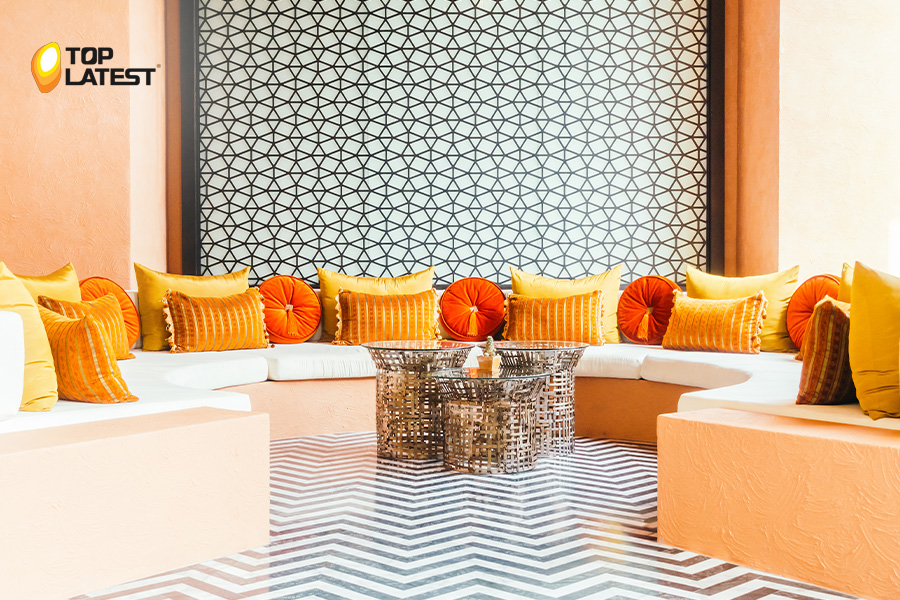
The classic Emirati layout features a perimeter of low, cushioned floor seating known as jalsa. Guests recline against long back cushions, with woven carpets grounding the room. This format remains popular in villas across Al Ain, Sharjah, and older Dubai neighbourhoods where large family gatherings and Ramadan hosting are central to the calendar. Contemporary versions layer plush upholstery, custom-embroidered cushions, and premium wool rugs to elevate comfort without diluting cultural character.
Sofa-Style Modern Majlis
Apartment living in Downtown Dubai, Al Reem Island, and Aljada in Sharjah has pushed the sofa-style majlis into wide adoption. Deep-seated modular sofas run along the walls, often finished in neutral linens or textured velvets. This format suits smaller footprints, integrates easily with open-plan living, and gives visitors a familiar seating posture while retaining traditional visual cues such as ornate side tables and Arabic calligraphy panels.
Hybrid Majlis
The hybrid majlis is now the fastest-growing format in newly handed-over villas across Dubai Hills Estate, Yas Island, and Tilal Al Ghaf. It combines a raised sofa arrangement on one side with a lowered jalsa zone on the other, giving hosts flexibility for both formal receptions and relaxed weekend gatherings. Homeowners who want to blend heritage with everyday comfort tend to gravitate toward this configuration first.
Color Palettes That Balance Heritage and Contemporary Warmth
Color choice sets the emotional tone of the space. The most successful majlis palettes borrow from the UAE landscape and traditional textile traditions while updating them for modern interiors.
Warm neutrals such as sand, oat, ivory, and soft camel remain foundational. They reflect the desert environment, sit beautifully with natural light, and give bolder accents room to breathe. From there, homeowners are layering deeper heritage tones. Deep maroon, forest green, and rich navy are used sparingly on feature cushions, drapery, or an accent wall. Metallic accents in brushed gold, antique brass, and champagne bronze reference traditional Arabic craftsmanship without feeling ornate.
For contemporary majlis rooms, a low-contrast base palette with a single saturated accent tends to age well. The trend of stark black-and-white schemes has softened in favour of tonal warmth, which photographs beautifully and feels welcoming during long evening gatherings with extended family.
Materials and Textures That Define an Elevated Majlis
Material selection is where a majlis moves from generic to genuinely refined. Layered textures do the heavy lifting.
Upholstery in linen, boucle, and velvet adds tactile richness. Hand-knotted or hand-tufted wool rugs bring warmth underfoot and anchor the seating arrangement. Solid timber side tables in walnut or oak add grounding weight, while inlaid mother-of-pearl or bone details reference traditional Levantine and Gulf craftsmanship. Woven palm-frond decor pieces, known locally as khoos or sadu-inspired weaves, are enjoying a strong revival and give the space a cultural specificity that imported furniture cannot replicate.
For window treatments, floor-to-ceiling sheer drapery paired with heavier blackout layers works well across the UAE climate, softening bright daylight and creating an intimate atmosphere after sunset. Wall finishes deserve equal attention. Micro-cement, textured plaster, and wood-veneer panelling are increasingly favoured over flat paint because they add depth and shadow play that suits the layered lighting of an Emirati reception room. A single feature wall in a warm textured finish behind the main seating often does more for the room than several purely decorative additions ever could.
Lighting Ideas That Set the Emirati Majlis Apart
Lighting is the single most transformative element in majlis design. The right layering can turn a plain reception room into a genuinely atmospheric space.
Start with a statement centrepiece. A large brass, crystal, or Moroccan-style pierced-metal chandelier draws the eye upward and signals the importance of the room. Follow with mid-level lighting such as wall sconces flanking artwork or calligraphy panels, and finish with ambient floor lamps or table lamps that soften the corners. Dimmable circuits are essential, particularly for Ramadan iftar and suhoor hosting when the mood shifts throughout the evening.
Warm color temperatures between 2700K and 3000K flatter skin tones, complement gold and brass finishes, and align with the traditional lantern glow that has long defined Emirati hospitality settings.
Statement Decor Elements That Anchor a Modern Majlis
A well-designed majlis rewards the eye with a few carefully chosen focal pieces rather than a crowded display. Consider these anchors.
Framed Arabic calligraphy, whether classical or contemporary, gives cultural weight and works beautifully on a large feature wall. Hand-crafted incense burners, known as mabkhara, sit elegantly on a central coffee table and carry the ritual of bakhoor into daily life. A finely detailed dallah, the traditional Arabic coffee pot, doubles as sculptural decor when displayed on a console. Antique or reproduction wooden doors repurposed as wall art bring architectural character. Sadu-woven cushions, produced by Emirati artisans, layer heritage pattern into modern seating without feeling costume-like.
The rule is restraint. Two or three genuinely meaningful pieces will always outperform a room full of decorative filler that dilutes the focal impact.
Practical Comfort Upgrades for Today’s UAE Homeowner
Comfort is what turns a beautiful majlis into a space the family actually uses. Modern homeowners are integrating features that respect tradition while responding to how life is lived today.
High-density foam cushions with removable, washable covers extend the life of floor seating dramatically. Concealed USB and wireless charging points built into side tables keep the space guest-ready. Zoned climate control matters in UAE villas where the majlis is often used seasonally. Acoustic treatments, such as heavier drapery, upholstered wall panels, or dense rugs, absorb sound during large gatherings and improve conversation quality noticeably.
Storage is often overlooked. Built-in benches with lift-up seats, discreet cupboards for extra cushions, and dedicated space for coffee service trays keep the room composed even after a full evening of hosting. A dedicated shelf for the dallah, finjan cups, and dates tray means the ritual of Arabic coffee can be presented with grace rather than improvised. Homeowners with young children often add washable, stain-resistant fabrics and rounded-edge tables so the room stays welcoming for everyday life, not just formal occasions.
Layout and Space Planning Tips for UAE Apartments and Villas
Space planning determines whether the majlis feels generous or cramped. A few principles hold across most UAE homes.
Keep a clear circulation path of at least one metre around seating so guests can move comfortably. Position the main seating to face the entrance, which is a subtle nod to traditional Arab hospitality where the host acknowledges every arriving guest. Anchor the room with a substantial central rug that visually contains the seating arrangement. In apartments, a single well-scaled sofa often reads better than a fragmented multi-piece layout.
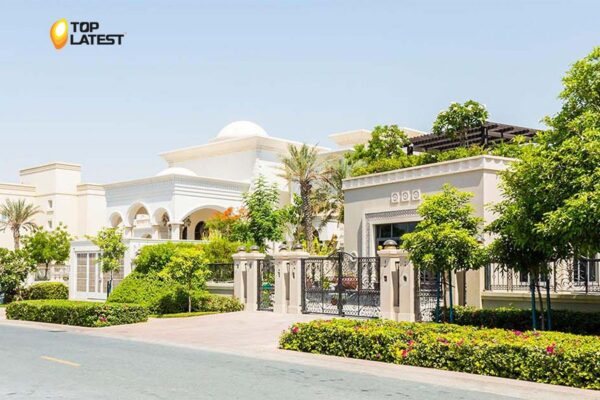
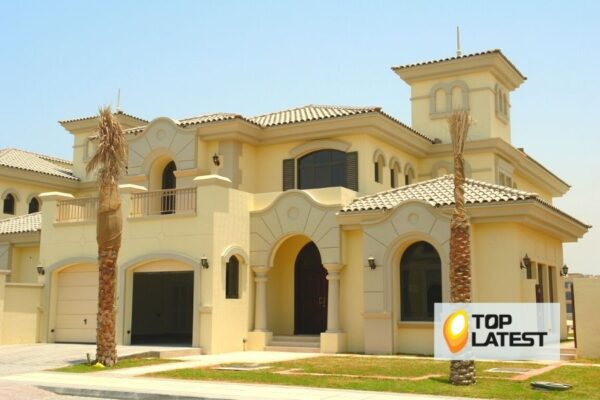
For families considering a villa upgrade or a new property purchase, the majlis room dimensions should influence the shortlist as much as bedroom count or plot size. Buyers exploring larger family homes in Dubai villa communities such as Al Barsha, Mirdif, Khalifa City, or Al Zahia should evaluate the reception room proportions early in the search process.
Bringing It All Together
A well-designed majlis honours Emirati identity while meeting the standards of modern comfort. The most memorable rooms are neither purely traditional nor purely contemporary. They are layered, considered, and personal, shaped by the family that gathers there. Whether you are furnishing a new handover in Dubai South, refreshing a long-loved villa in Sharjah, or planning an apartment reception in Abu Dhabi, the principles remain the same. Start with cultural intent, layer materials with care, and let light and hospitality carry the atmosphere.
For more inspiration on styling reception spaces, explore additional home decor guides on toplatest.ae, browse ideas on luxury villa interior design in Dubai and modern Arabic interior design, or connect with a licensed interior designer to translate these ideas into a finished space.
Sources
- UNESCO Intangible Cultural Heritage of Humanity Representative List
- Dubai Land Department
- Sharjah Institute for Heritage
- Emirates Fine Arts Society
- Dubai Culture and Arts Authority
Frequently Asked Questions
A majlis is a traditional Arabic reception room where families welcome guests, share meals, and hold conversations. In Emirati homes it holds deep cultural weight and often features distinctive seating, layered textiles, and hospitality accessories such as a dallah coffee pot and mabkhara incense burner. Modern UAE homes usually include either a dedicated majlis room or a designated reception zone within an open-plan living area, styled to reflect the family’s heritage, hospitality standards, and personal taste.
A comfortable majlis in a UAE villa typically ranges from 25 to 45 square metres, allowing seating for eight to fifteen guests along with a central coffee table zone and clear circulation space. Apartment majlis rooms can work beautifully in 15 to 20 square metres when the layout is carefully planned. What matters more than raw size is proportion, clear circulation paths, and seating that faces the entrance in line with traditional Emirati hospitality practice at home.
Warm neutrals such as sand, ivory, oat, and soft camel form the strongest foundation for a modern majlis because they reflect the UAE landscape and complement natural light beautifully. Layer in heritage accents such as deep maroon, forest green, or rich navy through cushions and drapery, and use brushed gold or antique brass metallics for warmth. A low-contrast base with one saturated accent tone tends to age gracefully and photograph very well.
Layered lighting works best. Start with a statement chandelier in brass, crystal, or pierced metal to anchor the ceiling, then add wall sconces at mid-level and soft floor or table lamps for corner ambience. Use warm color temperatures between 2700K and 3000K to flatter skin tones and complement metallic finishes. Dimmable circuits are essential for Ramadan hosting and evening gatherings, where the atmosphere naturally shifts across the course of the night.
Yes, a majlis translates beautifully into apartment living when the layout is thoughtful. A deep modular sofa along one wall, a substantial central rug, a well-chosen coffee table, and one or two heritage accents such as calligraphy art or a mabkhara can create a fully authentic reception experience in a compact footprint. Many residents in Downtown Dubai, Al Reem Island, and Aljada successfully integrate majlis-style zones into open-plan living rooms today.