
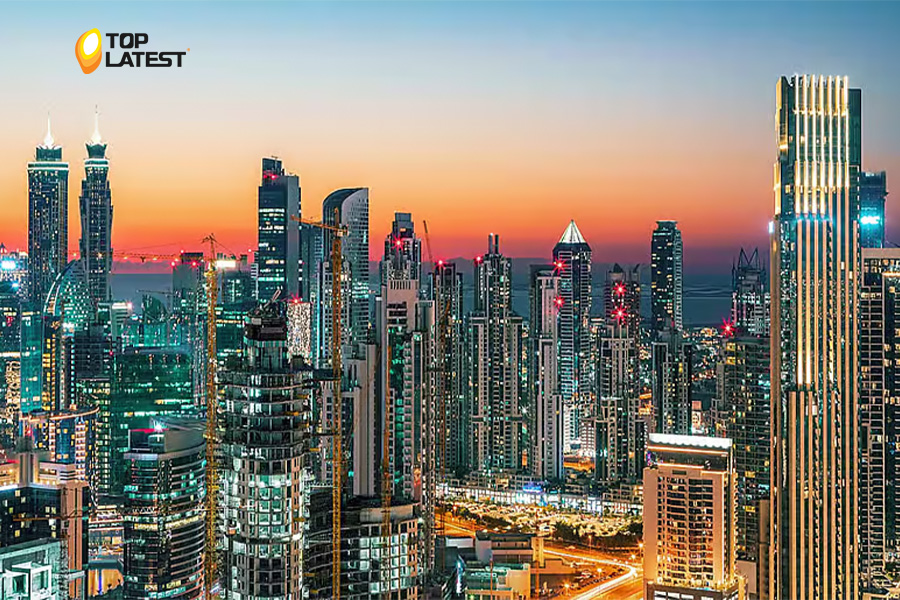
Dubai’s real estate market is one of the most dynamic property sectors in the world. Over the past ten years, property prices in the city have gone through several cycles of growth, decline, and recovery. These fluctuations were influenced by global economic trends, government policies, investor demand, and major events such as the COVID-19 pandemic. Despite short-term downturns, the overall trend shows that Dubai’s property market has strengthened significantly, making it one of the most attractive destinations for real estate investment.
This article explores how property prices in Dubai have evolved during the last decade and highlights the key factors that shaped the market.
The Market Situation Around 2015
Around 2014 and 2015, Dubai’s real estate market was coming down from a previous boom that had been driven by strong economic growth and preparations for Expo 2020. During this time, property prices were relatively stable but beginning to soften as supply increased and investor demand slowed slightly.
Average prices in 2015 were approximately AED 962 per square foot, which became a reference point for the decade’s price comparisons.
Although the market was not collapsing, there were clear signs that a correction was taking place. Developers had launched many new projects, and the growing supply began to put pressure on prices.
Price Decline Between 2016 and 2019
Between 2016 and 2019, Dubai’s property market experienced a noticeable decline in prices. Several factors contributed to this slowdown, including an oversupply of residential units and weaker global economic conditions.
During this period:
- Developers continued delivering new housing units.
- Investor confidence slowed slightly.
- Global oil price fluctuations affected regional economic activity.
As a result, property values gradually declined year after year. The lowest point of the decade came around 2019–2020, when average prices dropped to roughly AED 894 per square foot.
However, despite falling prices, the market remained active. Lower property values actually attracted many investors who saw the downturn as an opportunity to buy assets at discounted rates.
The Impact of COVID-19 in 2020
The global pandemic in 2020 had a major impact on real estate markets worldwide, and Dubai was no exception. Travel restrictions, economic uncertainty, and reduced international investment temporarily slowed property transactions.
Prices declined further in the short term as buyers adopted a wait-and-see approach. However, the impact of COVID-19 in Dubai’s property market was shorter than many analysts expected. Government stimulus programs and investor-friendly policies helped stabilize the sector quickly.
Interestingly, the pandemic also changed buyer preferences. Many people began looking for larger homes, villas, and properties with outdoor spaces. This shift in demand later contributed to price increases in certain residential segments.
Strong Recovery From 2021 Onward
Starting in 2021, Dubai’s real estate market entered a strong recovery phase. Several factors contributed to this rebound:
- The reopening of international travel
- Investor-friendly government policies
- Long-term residency visas
- Low interest rates
- Increased foreign investment
Property prices surged rapidly during this period. In fact, average property prices increased about 75 percent between early 2021 and 2025 in some prime areas.
Luxury villas and waterfront properties saw particularly strong growth, with demand driven by international buyers and high-net-worth individuals.
Record Growth in 2022–2024
The years following the pandemic saw some of the strongest price growth in Dubai’s property history. Global investors began viewing Dubai as a safe and attractive location for real estate investment due to its tax advantages, strong infrastructure, and high quality of life.
Between 2022 and early 2025, residential property prices increased by about 60 percent, reflecting the strength of the post-pandemic boom.
Demand was especially strong for luxury properties and villas. Some prime locations recorded remarkable price increases, with villas rising by nearly 29 percent year-on-year in 2025.
High demand from international investors, entrepreneurs, and remote workers helped push prices to new highs.
Overall Growth Across the Decade
Looking at the entire decade from 2015 to 2025, Dubai property prices have increased significantly despite the mid-decade slowdown.
Key figures from the past ten years include:
- Property prices increased by roughly 58 percent between 2015 and 2025.
- In some reports, residential sales prices rose by nearly 80 percent since 2015.
- Average price per square foot climbed from around AED 962 to about AED 1,524.
These figures demonstrate that long-term investors in Dubai real estate have generally seen strong appreciation in property values.
Factors Driving Price Changes
Several key factors influenced property price movements in Dubai over the past decade.
1. Government Policies and Investor Incentives
Dubai introduced various initiatives to attract global investors, including long-term residency visas and business incentives. These policies significantly increased demand for property.
2. Infrastructure Development
Large infrastructure projects, such as new transport networks and smart city initiatives, enhanced the city’s appeal and increased property values in many districts.
3. Population Growth
Dubai’s population has continued to grow as professionals and entrepreneurs move to the city for work and business opportunities. Rising population naturally increases housing demand.
4. International Investment
Foreign buyers play a major role in Dubai’s property market. Investors from Europe, Asia, and the Middle East have contributed to strong demand, especially in luxury segments.
5. Supply and Demand Balance
At times when many new projects were launched simultaneously, oversupply caused prices to drop. Conversely, when demand outpaced supply, prices increased rapidly.
Signs of Market Stabilization
After several years of rapid growth, analysts believe Dubai’s property market may begin stabilizing. Rising supply in the coming years could slow price growth slightly. However, the long-term outlook remains positive because of strong population growth and continued international investment.
Transaction volumes have already reached record levels. In 2025 alone, Dubai recorded over 205,000 residential property transactions, showing strong demand across the market.
This continued activity suggests that Dubai’s real estate sector remains one of the most active property markets globally.
The Future of Dubai Property Prices
While short-term fluctuations are always possible, most analysts believe Dubai’s property market will remain resilient. The city’s strong economy, investor-friendly policies, and global reputation as a luxury destination continue to attract buyers from around the world.
Looking ahead, several trends could shape future property prices:
- Continued demand for luxury and waterfront properties
- Growth in off-plan developments
- Increasing demand for sustainable and smart homes
- Expansion of suburban communities
If these trends continue, Dubai is likely to remain one of the most competitive and profitable real estate markets globally.
Sources
- Dubai Land Department
- Knight Frank UAE Market Review
- CBRE UAE Real Estate Market Report
- Property Monitor Dubai House Price Index
- JLL UAE Real Estate Market Report