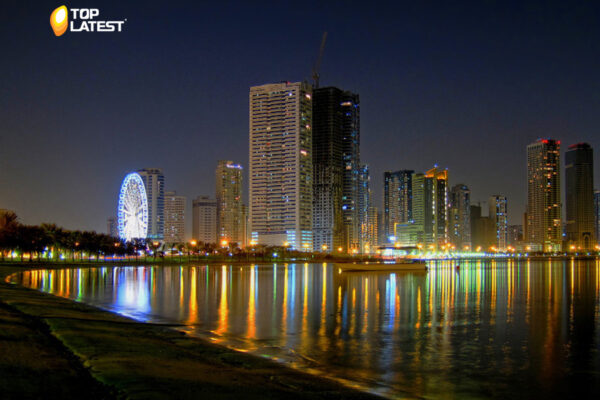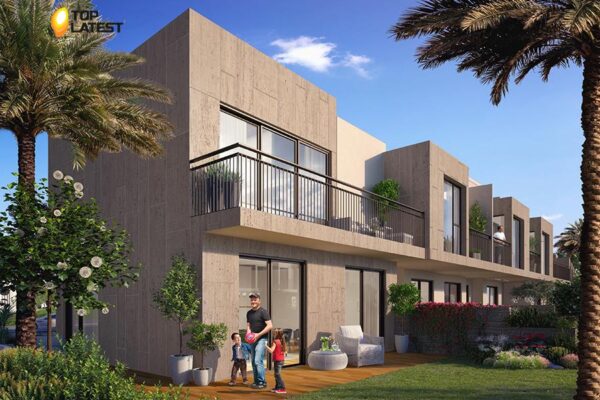
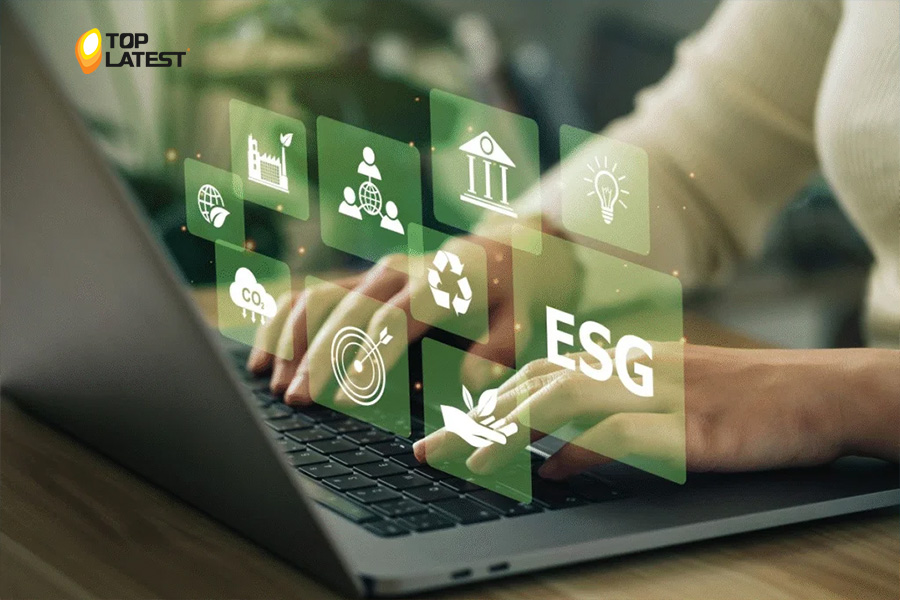
The real estate sector in the United Arab Emirates (UAE) has long been synonymous with rapid development, architectural marvels, and luxury living. From iconic skyscrapers in Dubai to sustainable communities in Abu Dhabi, the industry continues to evolve in line with global standards. Today, one of the most significant forces shaping this transformation is Environmental, Social, and Governance (ESG) principles. Driven by investor expectations, government initiatives, and rising awareness among buyers, ESG has become more than a buzzword—it is redefining how real estate projects are planned, built, and managed in the UAE.
The Rise of ESG in Real Estate
Globally, ESG is no longer a niche concept reserved for ethical investors; it is a critical framework that determines long-term growth and resilience. In the UAE, where real estate plays a pivotal role in the economy, ESG is gaining momentum due to several factors:
- Government policy alignment: The UAE’s commitment to sustainability, particularly through its Net Zero by 2050 Strategy, has pushed developers to adopt greener practices.
- Investor priorities: Institutional investors increasingly demand transparency in ESG reporting before funding large projects.
- Consumer awareness: Millennials and Gen Z homebuyers are more likely to choose developments with eco-friendly features and social inclusivity.
This confluence of forces ensures that ESG is not an optional add-on but an integral part of real estate’s future in the UAE.
Environmental (E): Building a Greener Future
Sustainability is at the heart of the UAE’s real estate transformation. Developers are prioritizing eco-friendly building designs that reduce carbon footprints and improve energy efficiency.
Green Buildings and Smart Cities
The UAE has already established itself as a regional leader in sustainable construction through initiatives such as the Estidama Pearl Rating System in Abu Dhabi and the Dubai Green Building Regulations. New residential and commercial projects are incorporating solar panels, energy-efficient lighting, water recycling systems, and smart energy grids.
Reducing Carbon Footprints
Construction is one of the largest contributors to carbon emissions. By using low-carbon materials, modular construction methods, and advanced waste management systems, developers aim to align with national sustainability goals.
Urban Green Spaces
Sustainability goes beyond construction materials; it also includes designing healthier living environments. Parks, urban forests, and pedestrian-friendly zones are being integrated into developments to encourage greener lifestyles and improve community well-being.
Social (S): Enhancing Community and Inclusivity
Real estate development is no longer just about buildings—it’s about creating thriving communities. ESG’s social dimension focuses on how projects contribute to society and enhance the quality of life.
Affordable and Inclusive Housing
As demand rises among middle-income families and expatriates, UAE developers are increasingly exploring affordable housing models. This addresses social equity and ensures the real estate market remains accessible.
Health and Well-being
The pandemic accelerated demand for healthier living spaces. Modern projects are designed with wellness in mind, featuring natural ventilation, access to fitness facilities, open-air communal spaces, and integration of healthcare services nearby.
Cultural and Social Integration
The UAE’s real estate sector is also fostering cultural inclusivity. Mixed-use developments encourage diverse communities to live, work, and socialize together, reflecting the multicultural fabric of the UAE.
Governance (G): Transparency and Accountability
Governance is the backbone of ESG, ensuring that environmental and social promises are delivered with accountability. For the UAE real estate market, governance practices are increasingly aligned with international best practices.
ESG Reporting and Compliance
Real estate firms are expected to provide transparent reporting on their ESG initiatives. This includes sustainability certifications, progress on carbon reduction, and social responsibility measures.
Ethical Business Practices
Governance also emphasizes compliance with anti-corruption policies, transparent contracts, and adherence to labor rights. Strong governance builds trust among investors and enhances the credibility of developers.
Technology-Enabled Oversight
With the rise of PropTech, governance in real estate is becoming more data-driven. Blockchain-enabled smart contracts, digital land registries, and AI-powered compliance monitoring are being deployed to ensure transparency and reduce risks.
Impact on Investors and Developers
The adoption of ESG principles has far-reaching implications for both investors and developers in the UAE.
- Higher Valuations: ESG-compliant properties often enjoy premium pricing, as buyers and tenants are willing to pay more for sustainable, socially conscious projects.
- Access to Capital: Banks and investment funds prioritize developers with strong ESG credentials, lowering the cost of financing.
- Long-term Resilience: ESG-focused projects are more adaptable to regulatory changes, market shifts, and global sustainability trends, ensuring their long-term viability.
The Role of Government in Driving ESG
The UAE government plays a central role in embedding ESG into real estate. Mega-projects like Masdar City in Abu Dhabi and the Sustainable City in Dubai are living examples of how public and private sectors can collaborate. Furthermore, initiatives tied to COP28, hosted in Dubai in 2023, have accelerated ESG discussions, positioning the UAE as a global leader in sustainable real estate development.
Challenges Ahead
While the progress is impressive, the road ahead is not without challenges.
- High Costs: Implementing ESG practices often requires upfront investment in technology, materials, and training.
- Standardization: A lack of unified ESG measurement frameworks makes it difficult to compare projects across the region.
- Awareness Gaps: Not all stakeholders fully understand the long-term benefits of ESG, creating resistance to change.
Addressing these challenges requires collaboration among regulators, developers, investors, and consumers.
Future Outlook
As the UAE marches toward its Vision 2031 and Net Zero 2050 goals, ESG will remain central to shaping real estate. Future developments are expected to integrate artificial intelligence, renewable energy solutions, and circular economy practices. Beyond sustainability, there will be a stronger emphasis on community well-being, inclusivity, and ethical governance.
Conclusion
ESG principles are no longer optional—they are redefining the landscape of real estate in the UAE. From eco-conscious building practices to socially inclusive communities and transparent governance, the industry is undergoing a paradigm shift. For investors, developers, and homebuyers, aligning with ESG is not just about compliance but about embracing a future where sustainability and profitability go hand in hand.
As the UAE continues its journey toward global leadership in sustainability, the real estate sector stands as both a beneficiary and a driver of this transformation. By embedding ESG at the core of development strategies, the nation is building more than towers and villas—it is building resilient, responsible, and future-ready communities.