
The UAE Golden Visa has become one of the most searched residency routes in the region, and real estate remains the most popular pathway into it. For UAE residents, expats and international buyers, the appeal is clear. A decade of stable residency, sponsorship rights for the whole family, and no obligation to remain physically present in the country every few months. What has changed in 2026 is not the headline number, but the flexibility around it. The AED 2 million threshold still applies, yet the rules on mortgages, off-plan units and combined portfolios have been refined in ways that expand who can qualify. This guide explains how the property route works today, what qualifies, and what to keep in mind before you apply.
What the Golden Visa Through Property Offers in the UAE
The property-backed Golden Visa is a ten-year renewable residence permit issued without a local sponsor. It is available across all seven emirates, with Dubai and Abu Dhabi receiving the bulk of applications through their respective land departments. Successful applicants can live, work, study and run a business anywhere in the UAE. They can sponsor spouses, children of any age, parents, and domestic staff, and they are not tied to an employer or a business licence.
Two features make this route especially attractive for international investors. First, there is no minimum stay requirement, so residency remains valid even during extended periods abroad. Second, the visa is asset-linked rather than income-linked, which means holders retain their status regardless of subsequent salary changes or short-term market movements, provided the original qualifying investment is properly documented.
If you are new to the wider system, our complete Dubai visa guide walks through how the Golden Visa sits alongside other UAE residency categories, from employment permits to the Green Visa and retirement routes.
The AED 2 Million Threshold and How It Works in 2026
The federal minimum for the property route is AED 2,000,000. This threshold is administered through the Federal Authority for Identity, Citizenship, Customs and Port Security, and calculated on the purchase price recorded in the title deed by the Dubai Land Department or the equivalent authority in each emirate, not on later market valuations. The UAE Ministry of Economy confirms that the qualifying property must be wholly owned by the investor, with financing permitted where the loan originates from a local bank approved by the competent authority.
The threshold can be met in three ways. A single property valued at AED 2 million or more, whether ready or approved off-plan, qualifies on its own. Multiple properties whose combined DLD-registered value reaches AED 2 million also qualify, which allows a diversified holding across apartments, townhouses and villas in different communities. Mortgaged units count as well, provided the certified valuation on the title deed meets or exceeds AED 2 million and the lending bank issues a no-objection certificate. Joint ownership is evaluated on each owner’s registered equity share, not the aggregate property value, so this route works best for sole or spousal ownership structures.
Property Types and Freehold Locations That Qualify
Eligibility is tied to two conditions on the property itself. It must sit in a designated freehold zone, and it must carry a DLD or equivalent emirate-issued title deed. Freehold apartments, townhouses, villas and selected commercial units all count, while leasehold interests do not.
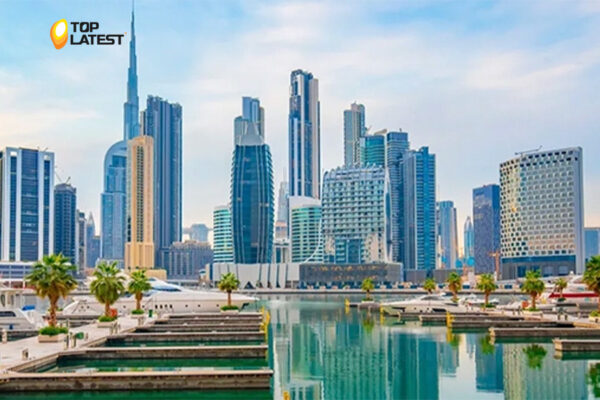
In Dubai, more than sixty freehold communities meet the criteria, including established addresses such as Downtown Dubai, Dubai Marina, Palm Jumeirah, Emirates Hills, Arabian Ranches, Dubai Hills Estate and The Meadows. Newer master plans in Mohammed Bin Rashid City, Dubai Creek Harbour and Dubai South also qualify, giving investors a wide range of price points to reach the AED 2 million mark.
In Abu Dhabi, freehold zones include Saadiyat Island, Yas Island, Al Reem Island and Al Raha Beach, alongside select developments in Al Maryah Island. Sharjah, Ras Al Khaimah, Ajman, Fujairah and Umm Al Quwain each have their own designated investor zones, which broadens the geographic mix for buyers who want to combine lifestyle and long-term residency. For buyers exploring options, listings such as villas for sale in Dubai and property for sale in Abu Dhabi provide a practical starting point for shortlisting units within the qualifying bracket.
The 2026 Rule Refinements Every Investor Should Understand
Two federal updates during the first half of 2026 clarified the property route in favour of buyers, and both are worth understanding before you file.
The first update concerns off-plan and mortgaged properties. Under the earlier framework, applicants using a mortgage were expected to demonstrate a substantial paid-up portion, often cited as 50 percent or AED 1 million, before applying. Guidance issued in early 2026 replaced that hurdle with a valuation-based test. The DLD-certified value on the day of application must reach AED 2 million, and the payment schedule and bank consent are handled through the standard no-objection certificate process. This makes the pathway more accessible to buyers using structured financing.
The second update relates to a separate product, the two-year property investor visa. In April 2026, sole owners became eligible for that visa without a minimum property value, provided the unit is fully owned and registered. Joint owners each need at least AED 400,000 in registered equity. This is a distinct route from the ten-year Golden Visa, and the AED 2 million threshold for Golden Visa applicants remains firmly in place. Understanding which product suits your investment size and time horizon is one of the earliest strategic decisions in the process.
The Application Journey Step by Step
The property route runs through a unified federal workflow, coordinated between three authorities and streamlined further under the 2026 unified portal.
Step one is property acquisition and registration. The unit is purchased in a freehold zone and registered with the Dubai Land Department or the equivalent emirate authority, generating the title deed and DLD-certified valuation. Step two is DLD nomination. For Dubai properties, the DLD confirms the freehold and valuation criteria and generates the Golden Visa nomination through the unified portal. Step three is federal processing by ICP. The Federal Authority for Identity, Citizenship, Customs and Port Security validates the file, running security clearance and confirming documentation. Step four is the medical fitness test and Emirates ID biometrics. Step five is residency issuance. In Dubai, the General Directorate of Residency and Foreigners Affairs issues the ten-year residence stamp and Emirates ID instruction.
Typical end-to-end processing is measured in weeks rather than months once documentation is complete, and the Emirates ID often follows within around ten working days of the medical.
Family Sponsorship and Long-Term Benefits
One of the strongest features of the property-linked Golden Visa is the breadth of dependents an applicant can sponsor. Spouses and children of any age are included, without the age cap that applies to standard employment visas. Parents can be brought under sponsorship subject to standard requirements, and household staff can also be added. This makes the route particularly relevant for families planning long-term relocation, business succession, or education continuity for older children studying in the UAE or returning from overseas universities.
The residency also unlocks a wider set of practical benefits. Golden Visa holders can open long-term resident bank accounts, enter into corporate ownership structures, and access healthcare, schooling and banking services on the same footing as other UAE residents. Comprehensive health insurance for the applicant and all dependents is a standing federal requirement across the visa duration.
Practical Considerations for a Smooth Application
A few points typically shape the experience of applicants and are worth reviewing early. The valuation basis matters, since the AED 2 million figure is measured against the DLD-recorded purchase price on the title deed, not a private appraisal or the current market value. Freehold verification is equally important, so confirm the community’s freehold status and check that the specific tower or plot is on the approved list. For off-plan units, ensure the developer is on the approved list and that the sale and purchase agreement aligns with current guidance. For financed purchases, a no-objection certificate from the lending institution is standard, and a valid comprehensive health insurance policy covering the applicant and dependents must be in place for the visa duration.
Working alongside a RERA-registered agent and, where relevant, a licensed immigration consultant helps keep the documentation aligned with the current federal framework and reduces back-and-forth during processing.
Where the Property Golden Visa Fits in a Long-Term Strategy
For many buyers, the Golden Visa is a natural extension of a property decision that would have been made anyway, and it converts a lifestyle or investment purchase into a decade of residency stability. For international investors, it also opens the door to using UAE property as a base for regional business activity, education planning and long-term wealth structuring.
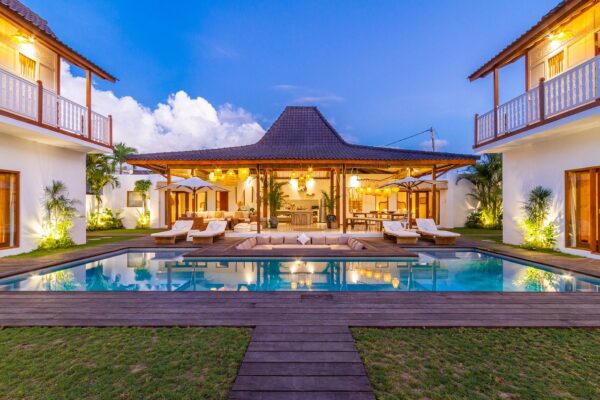
Communities such as The Meadows in Dubai, Yas Island in Abu Dhabi and Al Zorah in Ajman illustrate how the AED 2 million bracket can access very different lifestyles, from family villa neighbourhoods to waterfront apartments. Matching the property to the household’s actual needs, rather than only to the visa threshold, is what gives this route its long-term value.
Conclusion
The Golden Visa through real estate is the most direct residency pathway the UAE currently offers to property investors, and the 2026 updates have widened the practical entry points without lowering the AED 2 million bar. What matters most is understanding how the threshold applies to your specific structure, whether that is a single villa, a diversified portfolio or a mortgaged apartment, and lining up the documentation before submission. To explore qualifying communities and current listings across the UAE, explore more on toplatest.ae or connect with a licensed real estate and immigration professional to map your application with confidence.
Sources
- Federal Authority for Identity, Citizenship, Customs and Port Security (ICP)
- Dubai Land Department (DLD)
- UAE Ministry of Economy
- General Directorate of Residency and Foreigners Affairs, Dubai (GDRFA)
- Gulf News
Frequently Asked Questions
The minimum qualifying investment for the ten-year UAE Golden Visa through real estate is AED 2 million. This threshold is measured against the purchase price recorded in the Dubai Land Department or equivalent emirate title deed, not against market valuations. A single property, multiple combined units, and mortgaged properties can all qualify, provided the total registered value reaches AED 2 million and the units sit within a designated freehold zone across any of the seven emirates.
Yes. The UAE Cabinet framework allows applicants to combine multiple properties, provided the total registered value reaches at least AED 2 million. Each unit must sit in a designated freehold zone and carry a valid title deed. This flexibility is particularly useful for investors who prefer to diversify across communities, unit types, or emirates rather than concentrate their capital in a single high-value property, and it applies across Dubai, Abu Dhabi and the northern emirates alike.
Yes. Following federal clarifications issued in early 2026, mortgaged and off-plan properties count toward the AED 2 million Golden Visa threshold once the DLD-certified valuation reaches that figure. Mortgaged units require a no-objection certificate from the lending bank, while off-plan units must come from a locally approved developer. The earlier requirement to have paid a fixed portion of the property value upfront was replaced by this valuation-based approach, easing eligibility for financed buyers.
Eligible properties must sit in a designated freehold zone with a valid title deed. In Dubai, this includes Downtown Dubai, Dubai Marina, Palm Jumeirah, Emirates Hills, Arabian Ranches, Dubai Hills Estate, The Meadows, Mohammed Bin Rashid City and Dubai Creek Harbour, among more than sixty communities. In Abu Dhabi, Saadiyat Island, Yas Island, Al Reem Island and Al Raha Beach qualify. Sharjah, Ajman, Ras Al Khaimah, Umm Al Quwain and Fujairah each maintain their own designated investor freehold zones.
Processing timelines vary with documentation readiness, but a complete file typically moves through DLD nomination, ICP federal validation and GDRFA issuance in a matter of weeks rather than months. Once the medical fitness test and biometrics are completed, the Emirates ID instruction is often issued within around ten working days. The ten-year Golden Visa is renewable, has no minimum stay requirement, and remains valid even during extended periods spent outside the UAE.