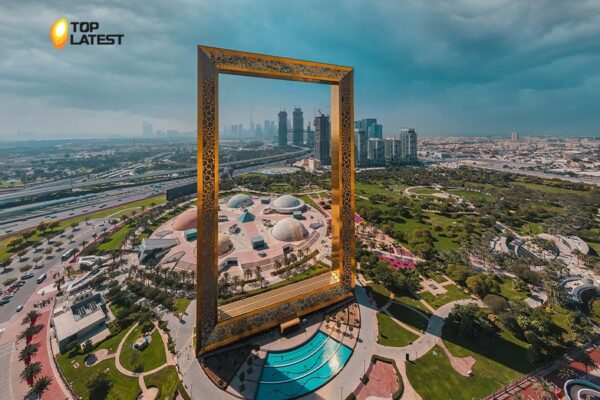
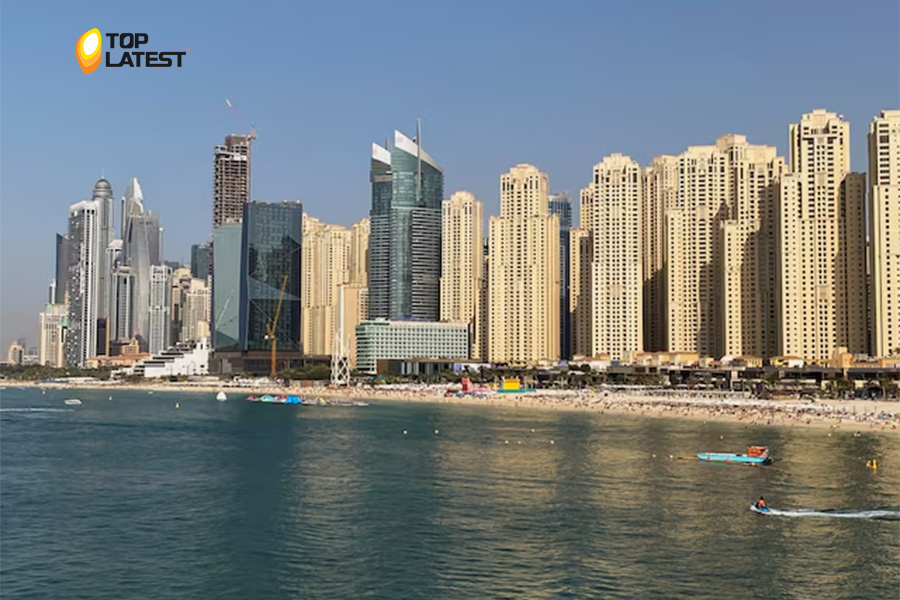
Dubai has long been a symbol of futuristic development, innovation, and luxury. With its iconic skyline, high-end residential towers, sprawling villas, and thriving commercial hubs, it’s no wonder the city continues to attract investors and residents from around the world. As we look ahead, 2025 is shaping up to be another pivotal year for the Dubai real estate market. From shifting buyer preferences to evolving government policies and the rise of smart, sustainable living, here’s what to expect in Dubai real estate in 2025.
1. Sustained Growth After the Post-Pandemic Boom
After experiencing a significant resurgence in the aftermath of the COVID-19 pandemic, Dubai’s real estate market has shown remarkable resilience and growth. In 2024, we saw record-breaking property sales and a surge in demand across both residential and commercial sectors. This trend is expected to continue into 2025, albeit at a more stable and sustainable pace.
Experts predict that while the explosive growth may taper, demand will remain strong, particularly in prime areas such as Downtown Dubai, Dubai Marina, Palm Jumeirah, and the emerging Dubai South. Price appreciation is likely to continue, though modestly, as the market reaches a more balanced state.
2. Luxury and Ultra-Luxury Properties Continue to Thrive
Dubai’s reputation as a global luxury destination remains a driving force in its real estate sector. In 2025, demand for high-end and ultra-luxury properties is expected to remain robust. Wealthy international investors, particularly from Europe, Russia, China, and India, continue to see Dubai as a safe, tax-friendly haven with strong capital appreciation potential.
Signature developments such as Palm Jebel Ali, Emaar Beachfront, and branded residences (like those by Armani, Bugatti, and Dorchester Collection) are capturing buyers’ attention. The luxury segment is increasingly focused not only on prime locations but also on exclusivity, innovative design, wellness amenities, and smart-home technology.
3. Increased Focus on Sustainability and Green Living
In line with the UAE’s Net Zero 2050 strategic initiative, sustainability is now a key pillar of urban planning and development in Dubai. In 2025, we expect to see a greater emphasis on eco-conscious construction, energy-efficient buildings, and communities designed with environmental impact in mind.
Developers are responding with green-certified projects, solar-powered homes, and smart waste management systems. Popular sustainable communities like The Sustainable City and Tilal Al Ghaf are likely to expand, and new eco-focused developments may emerge as sustainability becomes a top priority for both buyers and investors.
4. Tech-Driven Smart Homes and Smart Communities
Dubai has positioned itself as a global tech hub, and this influence is clearly visible in its real estate offerings. The integration of smart home features—such as app-controlled lighting, climate control, security, and AI-powered energy management—is becoming standard, especially in newly launched developments.
Smart communities, where entire neighborhoods are digitally connected and managed through centralized platforms, will gain further traction in 2025. Expect more investments in proptech solutions and digital platforms that enhance property management, virtual tours, and tenant experiences.
5. Affordable Housing and Mid-Income Segment Expansion
While luxury grabs headlines, the mid-income and affordable housing segments are becoming increasingly important. With the city’s population expected to surpass 3.7 million in 2025, there’s a growing need for accessible and quality housing.
Areas like Dubai South, Dubailand, JVC, and Al Furjan are catering to this demographic with competitively priced apartments and townhouses. The government’s visa reforms and increased job opportunities in the tech, hospitality, and financial sectors are driving demand among professionals and young families.
6. Rise of Long-Term Rentals and Co-Living Concepts
The shift in demographic profiles and lifestyle preferences is leading to the evolution of the rental market. While short-term rentals continue to be profitable—especially with the thriving tourism sector—there is a noticeable rise in demand for long-term rental options, particularly from digital nomads and remote workers settling in Dubai.
In 2025, co-living and build-to-rent communities are expected to gain momentum. These offer flexible leases, shared amenities, and a strong sense of community, making them attractive to younger residents and expatriates looking for affordability and convenience.
7. Commercial Real Estate Recovery and Transformation
Dubai’s commercial real estate sector is also undergoing a transformation. Office spaces are being reimagined to accommodate hybrid work models and collaborative layouts. Grade A office spaces in business districts such as DIFC and Business Bay remain in demand, especially among multinational firms and financial institutions.
Retail and hospitality real estate is expected to continue its recovery, bolstered by events, tourism, and population growth. Mixed-use developments that combine office, residential, and leisure facilities are increasingly popular, offering convenience and lifestyle integration.
8. Regulatory Reforms and Investor Confidence
Dubai’s transparent regulatory framework and investor-friendly reforms have played a critical role in its real estate resilience. Initiatives such as long-term visas for investors, golden visas for professionals, and full foreign ownership of businesses have boosted market confidence.
In 2025, we can expect further reforms aimed at enhancing transparency, streamlining property transactions, and protecting investor rights. These measures are likely to attract more institutional investors and high-net-worth individuals to the market.
9. Off-Plan Properties Still in High Demand
Off-plan properties have become a popular investment option due to flexible payment plans, lower upfront costs, and high potential for appreciation. Developers are launching new projects at a steady pace, particularly in emerging areas with strong infrastructure and connectivity.
Buyers in 2025 will continue to favor off-plan options that offer good value, smart amenities, and reputable developers. However, due diligence will be more important than ever, as the market becomes increasingly sophisticated.
Final Thoughts:
Dubai Properties For Rent in 2025 is characterized by a unique combination of maturity and innovation. As it evolves to meet the needs of a growing, diverse population, the market is becoming more resilient, transparent, and sustainable. From luxury penthouses overlooking the Burj Khalifa to smart villas in green communities, the opportunities are vast and varied.
Whether you’re an investor, homebuyer, or real estate professional, understanding these trends is crucial to making informed decisions in this dynamic landscape. Dubai continues to prove that it is not just building for today, but for the future.