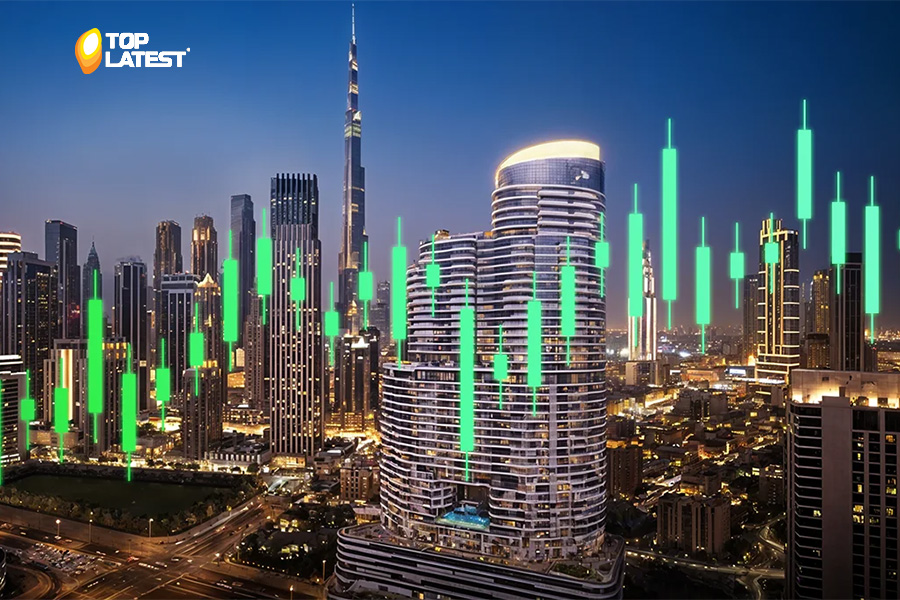
Dubai’s real estate market has long been a focal point of investment, boasting ambitious developments, luxury properties, and a reputation as a global hub for business and tourism. Over the past decade, the property market in Dubai has experienced significant fluctuations, shaped by a complex interplay of economic, political, and social factors. This blog delves into the trends in property prices in Dubai from 2014 to 2024, highlighting key drivers, challenges, and future outlooks.
The Starting Point: Dubai Property Market in 2014
In 2014, Dubai’s property market was still recovering from the aftermath of the global financial crisis of 2008-2009. After a rapid boom and bust in the mid-2000s, prices had stabilized somewhat, but growth was cautious. By this time, Dubai had positioned itself as a prime destination for international investors and expatriates, thanks to its tax-free environment, strategic location, and world-class infrastructure.
Average property prices in prime areas like Downtown Dubai, Dubai Marina, and Palm Jumeirah were relatively high but had begun to show signs of slowing growth. Investors were increasingly discerning, favoring quality and location over speculative buying.
2015-2017: The Impact of Oversupply and Market Cooling
Between 2015 and 2017, Dubai’s property market entered a phase characterized by oversupply and price corrections. Several factors contributed to this trend:
- Rapid Development Boom: The period saw a surge in construction, with many developers launching new residential and commercial projects simultaneously. This led to an oversupply, particularly in off-plan properties.
- Global Economic Pressures: The drop in oil prices impacted the wider Gulf economy, affecting investor confidence in the region.
- Regulatory Changes: Introduction of new laws aimed at protecting buyers and increasing transparency also influenced market dynamics.
As a result, property prices in Dubai declined by approximately 20-30% in certain segments. For example, apartments in Dubai Marina and Jumeirah Lake Towers (JLT) saw noticeable price drops. Despite this, the rental market remained relatively resilient, supported by a steady influx of expatriates.
2018-2019: Signs of Stabilization and Emerging Opportunities
The years 2018 and 2019 marked a turning point for the Dubai property market. Several positive developments helped stabilize prices and attract new investment:
- Expo 2020 Announcement: The official confirmation of Dubai hosting Expo 2020 (postponed to 2021 due to the pandemic) sparked renewed optimism. Infrastructure projects related to the Expo, such as new metro lines and road networks, enhanced connectivity.
- Visa Reforms: Introduction of long-term visas, including the 10-year Golden Visa for investors and skilled professionals, increased demand for residential properties.
- Focus on Affordability: Developers began focusing on affordable housing options to cater to mid-income buyers.
During this period, prices began to stabilize, especially in well-established communities. While luxury property prices remained under pressure, more affordable properties witnessed steady demand.
2020-2021: Pandemic-Induced Shock and Market Resilience
The COVID-19 pandemic presented an unprecedented challenge for real estate markets worldwide, and Dubai was no exception. Lockdowns, travel restrictions, and economic uncertainty led to an initial slowdown in property transactions and price adjustments.
- Price Corrections: In early 2020, prices dropped by up to 15% in some areas as sellers offered discounts to attract buyers.
- Shift in Buyer Preferences: Demand shifted towards larger homes and properties with access to outdoor spaces, driven by remote working and lifestyle changes.
- Government Support: The Dubai government implemented supportive measures, such as fee reductions and flexible payment plans, to stimulate the market.
Despite the global crisis, Dubai’s property market showed remarkable resilience. By late 2021, there was a clear uptick in transactions, particularly from foreign investors seeking safe-haven assets and capitalizing on relatively low prices.
2022-2024: Recovery and Growth in a Post-Pandemic Era
Post-pandemic recovery has been strong, driven by several factors:
- Expo 2020 Success: The event, held in late 2021 into 2022, attracted millions of visitors, boosting tourism and economic activity.
- Economic Diversification: Dubai’s ongoing efforts to diversify its economy beyond oil—focusing on technology, finance, and trade—have increased expatriate inflows and housing demand.
- Investor Confidence: Stability in global markets and attractive property yields have renewed interest in Dubai real estate, especially from investors in Asia and Europe.
- Sustainability Trends: Growing awareness of environmental concerns has encouraged development of green buildings and sustainable communities, adding new dimensions to market demand.
As a result, property prices have rebounded across most segments. Prime areas have seen double-digit price increases, with luxury villas and waterfront apartments in high demand. Simultaneously, affordable housing remains essential for sustaining broader market growth.
Key Factors Driving Price Fluctuations Over the Decade
- Supply and Demand Dynamics: Oversupply periods have led to price corrections, while limited inventory and high demand, especially in popular neighborhoods, have pushed prices upward.
- Government Policies: Visa reforms, regulatory changes, and initiatives to attract foreign investment have directly impacted market sentiment.
- Economic Conditions: Fluctuations in oil prices, global economic trends, and Dubai’s own economic diversification have influenced investor confidence.
- Global Events: The COVID-19 pandemic was a major disruptor, but Dubai’s handling of the crisis helped maintain market stability.
- Infrastructure and Mega Projects: Projects like Expo 2020, new transport links, and luxury developments have enhanced property values.
Challenges and Risks Ahead
Despite the promising recovery, the Dubai property market faces some ongoing challenges:
- Potential Oversupply: Continued high levels of construction risk repeating past oversupply problems.
- Global Economic Uncertainties: Inflation, geopolitical tensions, and interest rate hikes could impact foreign investment flows.
- Affordability Concerns: Rapid price increases could price out mid-income buyers, affecting market balance.
Future Outlook
Looking forward, Dubai’s property market is expected to maintain a positive trajectory, supported by:
- Continued infrastructure improvements and urban development.
- Strong government support and investor-friendly policies.
- Growing appeal as a lifestyle destination with quality housing options.
Investors and buyers are advised to focus on market fundamentals—location, quality, and developer reputation—while staying alert to broader economic trends.
Conclusion
Dubai’s property market over the last decade has been a story of dynamic shifts, from rapid growth to correction, pandemic disruption, and robust recovery. Understanding these fluctuations requires analyzing the interplay of supply-demand factors, economic conditions, government policies, and global events. For anyone interested in Dubai real estate—whether investors, homeowners, or industry professionals—recognizing these patterns is essential to making informed decisions in a market that continues to evolve with ambition and resilience.