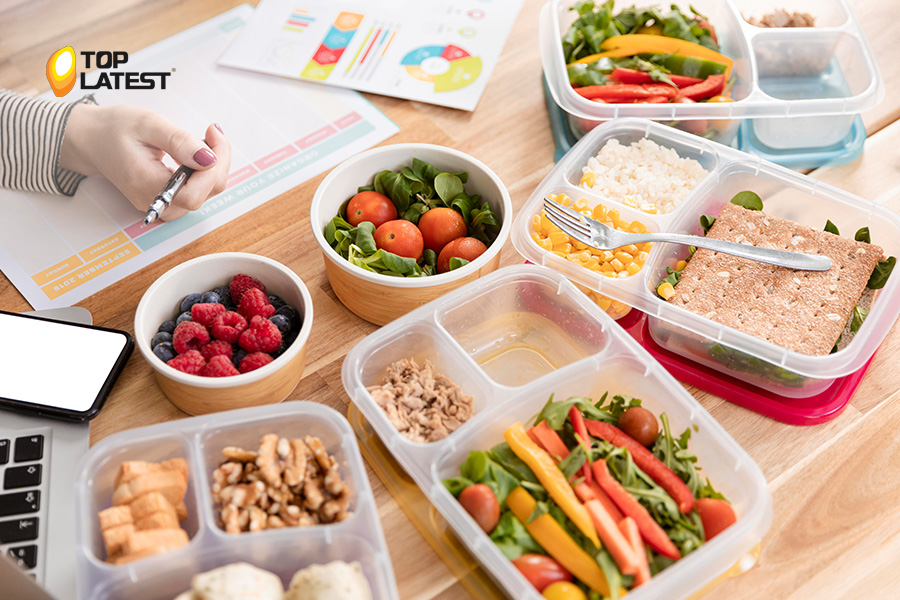
Between back-to-back meetings in DIFC, school runs across Dubai, and a commute that often stretches from Sharjah to Abu Dhabi, weekday lunch tends to become an afterthought. A quick shawarma downstairs, another delivery order, or a forgotten salad from the office fridge. It adds up in dirhams and in energy. Meal prep changes that equation. Spending ninety minutes on a Friday or Sunday to build five ready-to-go lunches gives you back your midday, keeps your nutrition on track, and cuts your food spend meaningfully across the month.
This guide is written for the reality of working life in the UAE: warm office fridges, long commutes, mixed cultural palates, and a genuine love of good food. The ten lunches below are ordered from the most widely made and requested down, drawing on flavours familiar to residents across Dubai, Abu Dhabi, Sharjah, and the northern emirates. Each one holds well for three to four days, travels safely in insulated bags, and reheats without turning sad.
Why Meal Prep Fits UAE Work Life So Well
The UAE workforce is famously ambitious. Long hours, hybrid schedules, and demanding delivery cycles mean the midday break is often the first thing to get compressed. Ordering in works, but it stacks up quickly. A daily lunch order at 45 to 65 AED lands somewhere around 900 to 1,300 AED a month before drinks or delivery fees. Meal prep for the same five days typically comes in at a third of that, with better portion control and cleaner ingredients.
There is a wellness dimension too. The Dubai Health Authority has consistently highlighted the link between balanced daily nutrition and workplace productivity, particularly the value of adequate protein, fibre, and hydration during the working day. Home-prepped lunches give you full control over portion size, oil quantity, salt, and vegetable ratios. That control is difficult to replicate through restaurant orders, however healthy the menu claims to be.
There is a sustainability angle as well. According to the UAE Ministry of Climate Change and Environment through the national Ne’ma food loss and waste initiative, household food waste climbs sharply during the working week, driven largely by uneaten deliveries and forgotten leftovers. Prepping to a plan means you buy what you use and finish what you cook.
Setting Up a Meal Prep System That Actually Works
Before the recipes, a quick note on what makes a UAE meal prep routine stick.
Pick your prep day. Friday afternoons and Sunday evenings work best for most schedules. Block ninety minutes and treat it as an appointment.
Invest in the right containers. Glass containers with clip locks handle reheating and hold up in warm car boots better than plastic. A small insulated lunch bag with an ice pack is worth its weight in gold given UAE summer temperatures.
Cook once, portion twice. Roast a full tray of chicken thighs on Sunday and split it across three different lunches. Do the same for rice, roasted vegetables, and dressings.
Shop smart. Carrefour, Union Coop, Lulu, and Kibsons all offer weekly staples at competitive prices. Weekend grocery runs paired with a written list keep impulse buys and food waste down. For broader inspiration on structuring the working week around good habits, our UAE lifestyle guides cover everything from morning routines to weekend planning.
The 10 Make Ahead Lunches, Ordered by Popularity
1. Chicken Shawarma Bowls
The runaway favourite across UAE offices. Marinate chicken thighs overnight in yoghurt, garlic, lemon, cumin, coriander, paprika, and a small pinch of cinnamon. Roast for twenty-five minutes, slice, and portion over spiced basmati rice with pickled onions, cucumber, and tomato. Add garlic toum or tahini on the side. The flavours actually deepen over two to three days. Keep the salad and sauce in a separate compartment so nothing goes soggy. Reheats brilliantly and travels well from Abu Dhabi to Dubai and back.
2. Chicken Biryani-Style Meal Prep
A leaner take on the weekend classic. Cook basmati rice with whole spices, saffron, and fried onions. Layer with chicken marinated in yoghurt, ginger, garlic, and biryani masala. Bake covered for thirty minutes. Portion into four boxes with a small pot of raita on the side. Biryani holds its texture in the fridge better than most rice dishes thanks to the layering method. Reheat with a splash of water in the microwave. Warming, satisfying, and a genuine reason to look forward to Wednesday.
3. Grilled Chicken and Freekeh Salad
Freekeh, the smoked green wheat used across the Levant, gives salads a nutty depth that quinoa cannot match. Cook a batch, then toss with grilled chicken, roasted red peppers, cherry tomatoes, cucumber, parsley, mint, and a lemon-olive oil dressing. Crumble feta on top on the day of eating. Freekeh is high in fibre and holds its bite for four full days in the fridge. Popular with anyone doing office cardio at lunchtime because it sits lightly.
4. Beef Kofta with Rice and Salad
Kofta patties made with minced beef, grated onion, parsley, cumin, and Baharat spice mix bake in twenty minutes on a lined tray. Pair with turmeric rice and a chopped Arabic salad of cucumber, tomato, onion, and sumac. A small container of tahini yoghurt on the side ties it together. Kofta reheats beautifully and freezes well, so you can double the batch and stash portions for the following week.
5. Mediterranean Chickpea and Halloumi Bowls
A vegetarian favourite that works on days you want something lighter. Combine chickpeas with cherry tomatoes, cucumber, red onion, olives, and parsley. Add a lemon-olive oil dressing. Cube halloumi and pan-fry on the morning of, or eat cold straight from the fridge. Pair with warm khubz or a scoop of couscous. High in plant protein, filling, and genuinely refreshing during warmer months in the UAE.
6. Paneer Tikka Wraps
Marinate paneer cubes in yoghurt, ginger, garlic, and tandoori masala for two hours, then char in a hot pan or air fryer. Wrap in whole wheat rotis with mint chutney, sliced onions, and shredded lettuce. Store rolled and wrapped tightly in foil. Eat cold or warm briefly in a pan. A hit with vegetarians and anyone missing a proper North Indian style lunch during a busy office week.
7. Salmon and Quinoa Power Bowls
Bake salmon fillets seasoned with lemon, dill, and olive oil at 200 degrees for twelve minutes. Portion over cooked quinoa with roasted courgette, cherry tomatoes, and baby spinach. A lemon-tahini dressing pulls everything together. Salmon holds well for two to three days in the fridge. Popular with anyone tracking macros or training regularly, and light enough to keep afternoon energy steady through long meetings.
8. Machboos-Inspired Chicken and Rice
A nod to the Emirati classic. Cook chicken in a tomato base with loomi (dried lime), cinnamon, cloves, cardamom, and baharat. Serve over basmati rice cooked in the same aromatic broth. Deeply comforting and something you will want to eat slowly rather than at your desk. Portions well and the flavours only get better by day two. A quiet way to bring a piece of Emirati home cooking into the office rotation.
9. Lentil Soup with Za’atar Flatbread
The classic shorbat adas found on every iftar table. Simmer red lentils with onion, garlic, cumin, and turmeric, then blend smooth. Finish with a generous squeeze of lemon. Store in glass jars with za’atar-brushed flatbread on the side. Warming for cooler winter mornings in the UAE and impressively cheap to make in bulk. Freezes well too, so a Sunday batch can cover lunches across two weeks.
10. Thai Peanut Chicken Noodle Jars
Something different for the end of the week. Layer rice noodles, shredded chicken, grated carrot, red cabbage, cucumber, and coriander in a jar. A small pot of peanut-lime-soy dressing goes on top. Shake and eat cold, or briefly warm the noodles first. Bright, crunchy, and a welcome change of pace by Thursday when the earlier bowls in the rotation start to feel familiar.
Keeping Everything Fresh in UAE Conditions
The heat is the main variable here. From May through September, moving lunch from home to car to office fridge means a forty degree gauntlet. Insulated bags with two small ice packs handle the commute. Once at the office, get containers into the fridge within thirty minutes of arrival. Reheat only what you will eat, and avoid multiple reheats of rice-based dishes.
If your office fridge is unreliable, glass containers with airtight seals hold up better than plastic and do not absorb odours. For deeper guidance on eating well through the UAE work week, our UAE food and recipe guides cover regional dishes, ingredient sourcing, and seasonal cooking in more detail.
Making the Habit Stick
The professionals who sustain meal prep past the first month tend to do three things: they keep the same five or six base recipes on rotation, they build shopping lists on their phones, and they treat prep time as non-negotiable. If you want structured support around energy, focus, and daily routines, the UAE workplace wellness content on toplatest.ae explores how small daily choices compound over a career.
Meal prep is not about eating the same thing five days running. It is about buying yourself the freedom to sit down at lunch, eat something you genuinely enjoy, and get back to your day without a food coma or a delivery charge. Ninety minutes on a weekend, five well-fed weekdays. That is a trade worth making.
Sources
- Dubai Health Authority
- UAE Ministry of Climate Change and Environment (Ne’ma National Food Loss and Waste Initiative)
- Federal Competitiveness and Statistics Centre
- Emirates Culinary Guild
- Khaleej Times
Frequently Asked Questions
Most meal-prepped lunches stay safe for three to four days in a properly cold fridge running at four degrees Celsius or below. Chicken, beef, and rice dishes hold best. Seafood is safer at two to three days. In the UAE, the commute matters. Use an insulated bag with an ice pack from home to office, get containers into the fridge quickly on arrival, and avoid reheating any single portion more than once for best food safety.
For a single professional prepping five lunches a week, a realistic grocery spend sits between 150 and 250 AED depending on your protein choices and where you shop. Chicken, lentils, chickpeas, and seasonal vegetables are the most cost-effective staples. Salmon and beef push the number higher. Shopping at Union Coop, Lulu, and Kibsons midweek helps, and buying rice, spices, and pulses in larger quantities monthly reduces the per-meal cost considerably over time.
Glass containers with silicone-sealed clip locks perform best. They handle microwave reheating, do not warp in car boots during summer, and resist absorbing strong spice odours from dishes like biryani or shawarma. Look for compartment styles that keep salad and sauce separate from rice and protein. A quality insulated lunch bag with two small reusable ice packs handles the commute across Dubai, Sharjah, or Abu Dhabi. Brands available at Carrefour, IKEA, and Ace Hardware cover most needs affordably.
Yes, and it becomes even more useful. Preparing suhoor and iftar components in advance reduces evening cooking time and helps maintain balanced nutrition through the fasting hours. Lentil soups, grilled proteins, salads with slow-release carbohydrates, and dates paired with nuts all portion well. Meal prep during Ramadan tends to focus on lighter, protein-forward dishes for iftar and fibre-rich options for suhoor, keeping energy steady through the following working day in a UAE office environment.
Rotate flavour bases rather than full recipes. The same roasted chicken can become shawarma one week, tikka the next, and lemon-herb the following. Change your grain: basmati, freekeh, quinoa, and couscous each shift the meal entirely. Swap dressings weekly. Batch cook proteins and starches on prep day, then build different bowls across the week. Keeping a small notes list of combinations you enjoyed helps you avoid the mid-month boredom that ends most meal prep attempts.