
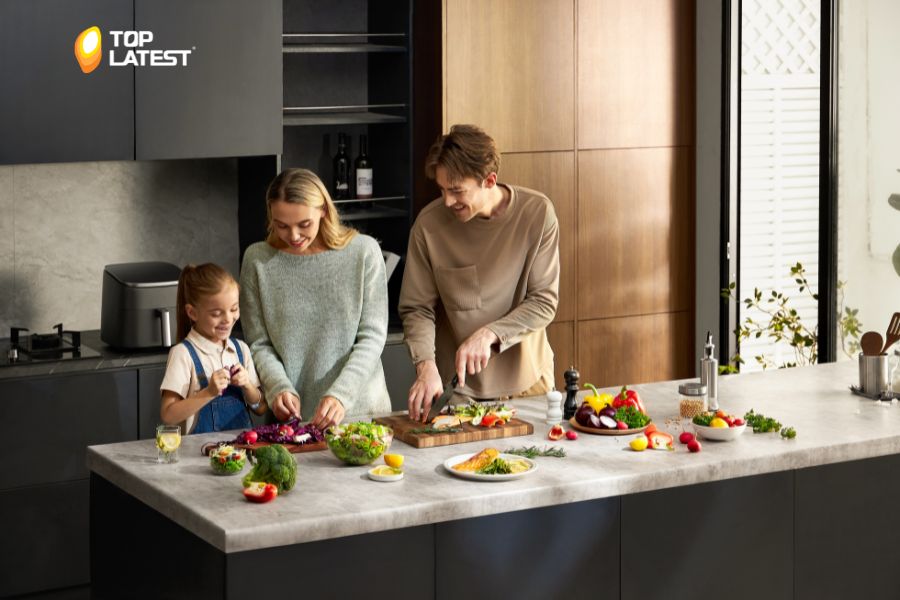
Family meals shape everyday life across the UAE. Whether you live in Dubai, Abu Dhabi, Sharjah, or one of the northern emirates, the kitchen is where culture, comfort, and connection meet. The recipes families cook most often reflect a blend of Emirati heritage, South Asian influence, Levantine warmth, and modern convenience, all shaped by the diverse communities that call the UAE home.
This guide walks you through the home cooked recipes UAE families return to most, starting with the most popular and widely prepared dishes. Each recipe is chosen for how well it fits busy schedules, family gatherings, and the ingredients you can easily find at Carrefour, Lulu, Union Coop, and neighborhood grocers.
Machboos: The Emirati Family Staple
Machboos sits at the top of nearly every UAE family recipe list. This fragrant rice dish, seasoned with dried lime (loomi), cinnamon, cardamom, and saffron, is often served with chicken, lamb, or fish. Families across the emirates cook it for Friday lunches, Ramadan iftars, and celebrations.
The method is straightforward. You start by browning the meat with onions and whole spices, add tomato and dried lime, then simmer until tender. The stock becomes the base for cooking basmati rice, which absorbs every layer of flavor. Home cooks often finish machboos with a light dusting of ground loomi and serve it with daqoos, a fresh tomato and chili sauce.
Guidance from the Emirates Culinary Guild highlights machboos as one of the most requested dishes in Emirati households and hospitality settings, reflecting its cultural importance across generations. Regional variations exist across the emirates. Coastal families in Ras Al Khaimah and Fujairah often prepare a fish version using local hammour or kingfish, while inland households lean toward lamb or chicken. The dish scales easily for large gatherings, which is why it remains a fixture at majlis meals and family reunions.
Chicken Biryani: The Weeknight Favorite
Biryani is likely the most cooked one pot meal in the country, given the size of the South Asian community and its wide appeal. UAE families prepare Hyderabadi, Sindhi, Bombay, and Kerala style biryani depending on family roots and taste.
A typical weeknight version uses bone in chicken marinated in yogurt, ginger, garlic, chili, turmeric, and garam masala. Fried onions, mint, coriander, and a hint of saffron milk layer with parboiled basmati rice before a slow dum finish on low heat. Served with raita and a simple kachumber salad, it feeds a family of four generously and stores well for the next day.
For families balancing office schedules and school runs, a pressure cooker biryani cuts the time to about 40 minutes without sacrificing depth of flavor.
Harees: The Comfort Bowl
Harees is a slow cooked wheat and meat porridge that carries deep Emirati roots. It is a staple during Ramadan and family gatherings, prized for how it turns two humble ingredients into something rich and soothing. Cracked wheat is simmered with chicken or lamb for hours until the mixture becomes smooth and creamy, seasoned simply with salt and sometimes finished with ghee and cinnamon.
Modern home cooks use a slow cooker or a pressure cooker to speed things up. The result is a warming bowl that suits toddlers, elders, and anyone recovering from a long day. Many families make a large batch on Thursday and enjoy it across the weekend.
Mandi: The Weekend Feast
Mandi, with its Yemeni origin, has become a UAE weekend favorite. Slow cooked rice with tender lamb or chicken, smoky spices, and a hint of charcoal aroma makes it feel like a restaurant meal at home. Many families in Abu Dhabi and Dubai now own small tandoor style ovens or use a covered pot with a smoking technique to recreate the signature flavor.
The base uses basmati rice cooked in stock flavored with cardamom, cloves, black lime, and mandi spice mix, widely sold across UAE supermarkets. It pairs beautifully with a fresh tomato salsa and Arabic bread, and it turns any Friday gathering into an occasion. Families that host often keep a mandi ready mix in the pantry along with pre soaked rice bags, which shortens hands on time to about 20 minutes.
Shorbat Adas: The Everyday Lentil Soup
Shorbat adas, the Levantine red lentil soup, appears on UAE family tables year round. It is quick, affordable, and nutrient dense, which explains its steady place in weeknight rotations. Red lentils, onion, garlic, cumin, and turmeric simmer with stock until soft, then blend into a silky bowl finished with lemon juice and fried bread croutons.
During Ramadan, shorbat adas is one of the most common iftar starters. It sits well with children, supports gentle digestion after fasting, and complements heavier main dishes like machboos or mandi. A single pot easily stretches to feed six.
Shakshuka: The Weekend Breakfast
Shakshuka has become a UAE breakfast favorite in mixed households, blending North African and Levantine influence. Tomatoes, bell peppers, onion, and garlic cook down with paprika and cumin before eggs are cracked in and gently poached. Families serve it with khubz, sourdough, or a side of labneh, making it a satisfying start to a slow Saturday.
Its appeal is practical. You can prepare the tomato base in advance, refrigerate it, and finish with eggs when ready. That flexibility fits UAE family mornings where school schedules, work calls, and weekend plans all compete for attention.
Luqaimat: The Family Dessert
Luqaimat, small golden dumplings drizzled with date syrup, is a much loved UAE dessert. Families prepare it for Ramadan, Eid, and casual gatherings. The batter, a mix of flour, yeast, cardamom, and saffron, is deep fried until crisp outside and airy inside, then dipped in dibs, sesame seeds, or a light dusting of pistachio.
Children often help shape the dumplings, which makes luqaimat a favorite for family cooking sessions. Store bought date syrup from local UAE producers works perfectly, and the recipe scales well for a crowd.
Chicken Kabsa: The Shared Table Classic
Kabsa shares family similarity with machboos but leans a little sweeter and lighter, thanks to raisins, almonds, and orange zest that finish the dish. It is a popular choice for gatherings where guests bring varied preferences, since the flavor stays approachable while still feeling festive. A large tray of chicken kabsa with lightly toasted vermicelli rice and a bowl of yogurt salad works for any weekend lunch.
The signature aroma comes from a homemade kabsa spice blend of cinnamon, cardamom, cloves, black lime, coriander, and a small pinch of nutmeg. Toasting the whole spices briefly in the pot before adding the chicken deepens the flavor, and a squeeze of lemon at the end brightens the finished plate.
Chicken Fatteh: The Layered Comfort Dish
Chicken fatteh has quietly become a family favorite in UAE homes, especially for weekend brunches and Ramadan tables. Crisp toasted khubz forms the base, followed by seasoned chickpeas, shredded chicken, and a generous pour of garlicky yogurt sauce. A drizzle of ghee toasted pine nuts and a dusting of paprika finish the tray.
Fatteh is naturally forgiving, works well as a make ahead dish, and adapts easily for larger groups. Many families prep the components in stages through the afternoon and assemble just before serving, which keeps the bread crisp under the sauce.
Practical Tips for UAE Family Cooking
A few simple habits help families cook consistently well through the week. Buying spices whole and grinding them in small batches keeps flavor fresh, especially in the UAE climate. Storing rice, lentils, and flour in airtight containers protects them from humidity. Freezing marinated chicken and meat portions in silicone bags saves 20 to 30 minutes on weeknights.
Guidance from the UAE Ministry of Health and Prevention on balanced meals encourages households to build plates around whole grains, lean proteins, and vegetables, which aligns naturally with most of the recipes above. For families exploring healthier tweaks, swapping ghee for olive oil in shakshuka or using brown basmati in biryani offers a simple starting point.
For inspiration on family friendly setups and modern UAE kitchens, our guide to family friendly communities in Dubai explores neighborhoods designed with shared meals and open kitchens in mind. Readers refreshing their kitchen space can also find ideas in our UAE home decor inspirations.
Building a Weekly Meal Rhythm
Many UAE families rotate a familiar weekly rhythm: biryani or kabsa on one weekend, machboos or mandi on the next, harees or shorbat adas midweek, shakshuka for a slow morning, and luqaimat for a shared dessert night. This keeps meals varied without adding pressure to plan from scratch each week.
Batch cooking rice, marinating proteins ahead, and prepping tomato bases in advance turn even the busiest weeks into something manageable. Sharing recipes with neighbors and extended family remains one of the warmest UAE traditions, and it often introduces households to new favorites.
For readers looking to combine home cooking with a more organized lifestyle at home, our smart home upgrades for UAE apartments guide offers practical ideas for kitchens and shared spaces.
Closing Thoughts
Home cooking in the UAE tells a story of the people who live here. Emirati staples sit alongside Indian classics, Levantine soups, Yemeni feasts, and quick weekend breakfasts, all shaped by the ingredients and rhythms of daily life across the emirates. Starting with the most loved recipes, then adapting them to your family’s schedule, builds a kitchen that feels both authentic and easy to sustain.
Whether you are moving into a new home, hosting for the first time, or simply looking to refresh your weekly menu, these recipes offer a reliable starting point. Explore more lifestyle and home inspiration on toplatest.ae to keep your kitchen and family routines feeling fresh.
Sources
- Emirates Culinary Guild
- UAE Ministry of Health and Prevention
- Dubai Municipality Food Safety Department
- The National
- Gulf News
Frequently Asked Questions
Machboos, chicken biryani, harees, mandi, shorbat adas, shakshuka, kabsa, and luqaimat rank among the most cooked dishes in UAE homes. These recipes combine Emirati, South Asian, Levantine, and Yemeni influences, reflecting the country’s diverse communities. Families choose them for their flavor depth, ability to feed groups, and use of ingredients easily found across Dubai, Abu Dhabi, Sharjah, and the northern emirates, making them reliable choices for weekly meals and gatherings.
Shorbat adas, the red lentil soup, is one of the easiest Emirati and Levantine influenced dishes to prepare. It uses affordable pantry ingredients like red lentils, onion, garlic, cumin, and turmeric, and comes together in about 30 minutes. Beginner cooks also find harees approachable using a pressure cooker, and shakshuka forgiving for practicing basic techniques. Each option offers authentic flavor without demanding advanced skill or specialty equipment, making them ideal starting points for new home cooks.
Batch cooking, pressure cookers, and freezer friendly prep make weeknight traditional meals realistic. Marinate chicken portions on the weekend, freeze in silicone bags, and thaw as needed. Cook rice bases and lentils in bulk, then finish with fresh spices and garnishes at mealtime. A pressure cooker biryani or harees takes about 40 minutes, while shorbat adas needs only 30. This approach keeps traditional flavors on the table without long cooking sessions on busy days.
Local supermarkets like Carrefour, Lulu Hypermarket, Union Coop, and Spinneys stock most ingredients, including dried lime, saffron, cardamom, basmati rice, and mandi spice blends. Traditional souks such as the Spice Souk in Deira offer whole spices at competitive prices. For date syrup, tahini, and Emirati specialties, neighborhood grocers and specialty stores across Dubai, Abu Dhabi, and Sharjah carry authentic options. Online grocery apps also deliver most of these items reliably across the emirates.
A heavy bottomed pot for rice dishes, a pressure cooker for meat and lentils, a large non stick pan for shakshuka, and a fine sieve for washing basmati rice cover most needs. A small spice grinder keeps whole spices fresh, and a slow cooker makes harees far easier. For luqaimat, a deep fry thermometer helps achieve the right crisp texture. This modest setup handles nearly every popular UAE family recipe with confidence and consistent results.