Dubai has quietly become the most active branded residences market in the world, and the pace shows no sign of slowing. For buyers who want the design language of a luxury hotel, the service standards of a five star operator, and the address value of a globally recognised name, the city now offers more choice than any other destination. This guide walks you through what branded residences actually deliver, which names lead the market, where they cluster, and what shapes the ownership experience, so you can evaluate the segment with clarity.
What Luxury Branded Residences Actually Offer
A branded residence is a private home developed in partnership with a hotel, fashion house, automotive, or lifestyle brand. The brand lends its identity, design standards, and often its service infrastructure to the building. Owners get interiors specified to the brand’s global codes, amenities calibrated to five star hospitality benchmarks, and a management layer that mirrors what guests experience at the brand’s flagship hotels.
The value proposition sits on three pillars: design integrity, service continuity, and long term asset positioning. You are not just buying a well finished apartment. You are buying a home that carries a recognised name on the door, backed by operating standards that are contractually maintained through the life of the building.
Why Dubai Leads the Global Branded Residences Market
Dubai’s rise in this segment is grounded in three structural drivers: sustained investor demand for prime property, a regulatory environment that supports foreign ownership, and a development ecosystem that partners fluently with international brands. According to Knight Frank’s global research on branded residences, Dubai has surpassed every other city worldwide in the number of active branded schemes, and the pipeline of new launches continues to expand each quarter.
The demand base is genuinely global. Buyers arrive from Europe, the wider region, South Asia, and increasingly from Asia Pacific, drawn by the city’s tax framework, connectivity, and the maturity of its luxury property market. This depth of demand is why brands that were once cautious about scaling their residential arms have made Dubai a priority location, and why several have chosen the city for their debut residential product.
The Established Branded Residence Names Shaping Dubai
The city’s roster of branded residences reads like a directory of global luxury. The most established and in demand names anchor the top of the market and continue to set the reference point for newer entrants.
Bulgari Residences on Jumeirah Bay Island remains one of the most sought after addresses in the city, combining Italian design heritage with a private marina and beach club setting. Armani Residences at Burj Khalifa carries the weight of a downtown icon, with interiors personally overseen by the Armani design studio. Four Seasons Private Residences at Jumeirah delivers the operator’s hospitality standards in a low density, beachfront format that has proved consistently resilient in resale value.
One&Only Private Homes at Za’abeel and on the Palm bring resort style living into a residential context, while The Ritz Carlton Residences and Mandarin Oriental Residences at Jumeirah offer classic five star hotel branding in landmark locations. W Residences, Baccarat Residences, and the newer wave of fashion led projects including Cavalli Tower, Elie Saab Residences, and Missoni branded developments have widened the choice for buyers who want a distinct aesthetic identity alongside strong service.
Beyond these, the pipeline includes names from automotive luxury, private members’ clubs, and independent design houses, reflecting how the segment is diversifying beyond traditional hospitality partnerships and creating meaningful choice at multiple price points within the prime market.
Prime Locations for Branded Residences in Dubai
Branded residences cluster where the city’s luxury demand is already concentrated, and each area offers a different lifestyle profile.
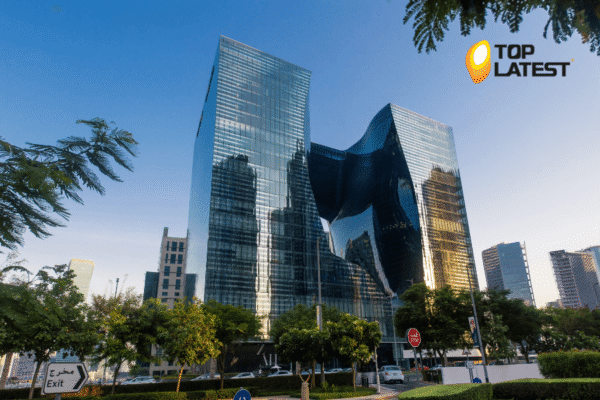
Downtown Dubai anchors the segment with Armani, Address, and several new launches near Burj Khalifa and the Opera District. The appeal here is skyline living with immediate access to the city’s cultural and retail core.
Palm Jumeirah has become the second most active branded residences location, with beachfront addresses from One&Only, W, Six Senses, and others. The Palm suits buyers prioritising private beach access, resort amenities, and a slower paced setting within the city.
Jumeirah Bay Island and the wider Jumeirah coastline host Bulgari, Four Seasons, and Mandarin Oriental, offering some of the most exclusive addresses in the emirate.
Dubai Harbour, Business Bay, and Al Wasl are absorbing newer projects, giving buyers access to branded product at a wider range of entry points. For families and long term residents comparing broader neighbourhood context, area level insights on top residential communities in Dubai help frame how these clusters sit within the wider city.
Investment Value and Yield Considerations
Branded residences typically transact at a premium over comparable non branded stock in the same location. Knight Frank’s global branded residences research places this premium at roughly 30 percent on average worldwide, with Dubai broadly consistent with that pattern in prime locations. The premium reflects a mix of design quality, service continuity, resale identity, and the perceived certainty that comes with a recognised operator behind the building.
For investors, three factors are worth reading carefully. First, the operator’s service contract shapes long term ownership costs, since service charges in branded buildings run higher than in standard luxury stock. Second, rental performance in branded schemes tends to be stronger in the short let and premium long let segments, particularly in beachfront and downtown clusters where guest demand is deepest. Third, resale liquidity is influenced by the brand’s ongoing relevance, so established names with long standing hospitality track records generally hold value more predictably than newer, less tested partnerships.
Transaction data from the Dubai Land Department has shown consistent activity in the prime segment, with branded schemes capturing a disproportionate share of high value deals in Downtown, Palm Jumeirah, and the Jumeirah coastline. For buyers evaluating entry timing, the launch phase of a new branded project typically offers the widest choice of units and the most flexible payment structures, while completed inventory in established buildings offers immediate income potential and clearer visibility on operating costs. Both routes have their place depending on the buyer’s horizon and cash flow preferences.
Buyers looking to understand how these dynamics translate into specific listings can review current luxury property options across the city’s prime districts, and match brand, location, and layout preferences against live availability.
Ownership, Service, and Lifestyle Experience
What separates branded residences from standard luxury apartments is the depth of the service layer. Concierge, housekeeping, in residence dining, spa access, valet, and private lounges are typically included or available on demand, delivered by staff trained to the brand’s global standards. In hotel attached schemes, owners often extend hotel privileges to their homes, including room service, priority reservations, and access to member only facilities within the property.
For owners who split time between cities, rental programmes managed by the operator offer a straightforward way to monetise the residence during absences, with the brand handling guest experience and property care. This is one reason branded residences appeal so strongly to internationally mobile buyers, who value the ability to hand over operations while retaining full ownership rights and personal use windows. Design continuity is another quiet advantage. Interiors, common areas, and shared facilities are refreshed and maintained to the brand’s global standards throughout the life of the building, which keeps the address visually current and helps the property compete against newer launches over time.
What to Keep in Mind Before Buying
A few practical considerations shape the experience of owning a branded residence in Dubai.
Service charges are meaningfully higher than in comparable non branded luxury buildings, reflecting the cost of maintaining hotel standard amenities and staffing. Ownership documentation, including the licence agreement between the developer and the brand, is worth reviewing carefully, since the length and renewal terms of that agreement affect long term brand continuity in the building.
Delivery timelines for off plan branded projects can extend beyond initial announcements, so buyers evaluating pre completion stock should weigh construction progress and developer track record alongside the brand partnership. For a wider view on how off plan buying works in the emirate, the off plan property guide on TopLatest walks through the process, timelines, and payment structures in detail.
Finally, the brand identity itself matters over time. A residence is a long term asset, and the ongoing global positioning of the partner brand influences resale narrative more than most buyers initially assume. Established hospitality names with decades of continuity tend to offer the most predictable trajectory, while fashion and lifestyle brands add distinctive design value that resonates with a specific buyer profile.
Bringing It Together
Luxury branded residences in Dubai have moved from a niche category into a defining part of the city’s prime property market. For buyers who value design integrity, service continuity, and a recognised address, the segment now offers real depth of choice across downtown, beachfront, and island settings. The right selection depends on how you weigh location, brand affinity, service model, and long term positioning. To explore specific branded developments, compare locations, or connect with the wider market, browse the latest listings and area guides on TopLatest and take the next step at your own pace.
Sources
- Knight Frank Global Branded Residences Report
- Dubai Land Department
- Savills Prime Residential Research
- JLL MENA Real Estate Market Overview
- Property Finder Market Insights
Frequently Asked Questions
A luxury branded residence is a private home developed in partnership with a hotel, fashion, or lifestyle brand, where the brand sets the design standards and often manages the service layer inside the building. In Dubai, these residences carry names like Bulgari, Armani, Four Seasons, and Ritz Carlton, and offer owners hotel grade amenities, concierge, housekeeping, and dining alongside private ownership of the apartment or villa itself, with service standards maintained through the operator agreement.
Dubai leads the global branded residences market because of sustained investor demand, a foreign ownership friendly regulatory framework, and a mature development ecosystem that partners easily with international brands. The city’s tax environment, global connectivity, and depth of luxury buyers from Europe, Asia, and the wider region make it a priority location for hospitality and fashion brands scaling their residential arms. The pipeline of new schemes continues to expand meaningfully each year across prime districts.
Branded residences typically transact at a premium over comparable non branded stock in the same location, with global research placing the average premium at around 30 percent. In Dubai’s prime districts, the pattern broadly holds across most established schemes. The premium reflects design quality, service continuity, resale identity, and the certainty that comes with a recognised operator. Beachfront and downtown clusters tend to command the strongest premiums across the wider city market.
Downtown Dubai anchors the segment near Burj Khalifa and the Opera District, followed closely by Palm Jumeirah, which hosts beachfront branded schemes from One&Only, W, Six Senses, and others. Jumeirah Bay Island and the wider Jumeirah coastline carry Bulgari, Four Seasons, and Mandarin Oriental in landmark settings. Newer clusters include Dubai Harbour, Business Bay, and Al Wasl, giving buyers access to branded product at a wider range of entry points.
Service charges in branded residences run meaningfully higher than in comparable non branded luxury buildings, reflecting the cost of hotel standard amenities, staffing, and continuous maintenance. Owners also account for the operator’s service contract terms, which shape long term costs across the ownership period. In exchange, the residence delivers concierge, housekeeping, in residence dining, and often extended hotel privileges, alongside brand managed rental programmes that help monetise the home during owner absences.