The UAE offers one of the richest cultural landscapes in the region, blending centuries of Bedouin heritage with world-class museums, restored historical quarters, and living traditions that shape everyday life. For residents, expats, and visitors curious about the country beyond its skylines, cultural exploration opens a deeper understanding of place, community, and identity. This guide walks you through the most meaningful cultural experiences across the seven emirates, ordered by prominence and accessibility, so you can plan visits that reflect your interests and available time.
Abu Dhabi: The Cultural Heart of the Capital
Abu Dhabi has established itself as a global cultural destination, anchored by landmark institutions and preserved heritage sites that reflect the nation’s founding vision.
The Louvre Abu Dhabi on Saadiyat Island is a natural starting point. Designed by Jean Nouvel, its silver dome filters daylight into a signature rain of light effect, and its galleries trace the shared story of civilizations through artefacts drawn from partner museums in France and its own permanent collection. According to the Department of Culture and Tourism Abu Dhabi, Saadiyat Cultural District has been positioned as one of the region’s most ambitious concentrations of museums, attracting millions of visitors since Louvre Abu Dhabi opened in 2017.
The Sheikh Zayed Grand Mosque remains one of the most visited landmarks in the country. Its white marble courtyards, floral inlays, and the world’s largest hand-knotted carpet make it a place of quiet reflection and architectural wonder. Free guided tours help visitors understand the mosque’s design philosophy and its role in the UAE’s spiritual and civic life.
Qasr Al Watan, the Presidential Palace, opens its ceremonial halls, library, and gardens to the public. The palace offers a rare window into UAE governance, Arab craftsmanship, and the leadership traditions that shaped the federation.
Saadiyat Cultural District continues to grow. Zayed National Museum, Guggenheim Abu Dhabi, and the teamLab Phenomena immersive space are joining the island in phased openings, extending its role as a global cultural precinct that rewards repeat visits.
Further inland, Al Ain holds the UAE’s first UNESCO World Heritage Site. Its oases, falaj irrigation systems, and archaeological areas including Hili and Hafit reflect thousands of years of human settlement in the region. The Al Ain National Museum and Al Jahili Fort deepen the story with exhibits on pre-Islamic history, pearl diving, and desert life. A slow morning walk through the shaded date palm groves of Al Ain Oasis is one of the most restorative cultural experiences in the country.
Dubai: Where Heritage Meets Contemporary Culture
Dubai’s cultural scene layers restored historical districts with contemporary art spaces and future-oriented museums, giving residents plenty of options for weekend exploration.
The Al Fahidi Historical Neighbourhood in Bur Dubai remains the city’s most authentic heritage quarter. Its narrow sikkas, wind towers, and coral-and-gypsum houses now host museums, art galleries, and the Sheikh Mohammed Centre for Cultural Understanding, which runs open majlis sessions where visitors share Emirati meals and ask candid questions about local culture. For a broader look at how heritage areas fit into everyday life across the city, our guide to Dubai’s most characterful communities is a useful companion read.
The Museum of the Future on Sheikh Zayed Road takes a different approach, using immersive design and speculative exhibits to explore how technology, ecology, and spirituality might shape the coming decades. Its distinctive calligraphy-etched facade has quickly become one of Dubai’s most photographed structures.
The Etihad Museum near Jumeirah tells the story of the UAE’s formation in 1971, using pavilions shaped like the manuscript of the Union agreement. Original documents, film footage, and interactive exhibits bring the founding period to life for families and newcomers.
For contemporary art, Alserkal Avenue in Al Quoz has grown into the region’s most respected creative district. Galleries, artist studios, independent cinemas, and specialty cafes fill its warehouses, and events like Quoz Arts Fest attract thousands each year. Nearby, Jameel Arts Centre on the Jaddaf Waterfront offers changing exhibitions from regional and international artists, alongside a public sculpture park and one of Dubai’s most peaceful reading rooms.
Sharjah: The UAE’s Cultural Capital
Sharjah has been recognised internationally for its commitment to arts, heritage, and knowledge. UNESCO designated it World Book Capital in 2019, and it holds long-standing cultural capital status under ALECSO recognition, reflecting decades of investment in museums, libraries, and heritage restoration.
The Heart of Sharjah is the largest heritage restoration project in the region. Its narrow lanes wind past traditional houses, the Sharjah Art Foundation’s exhibition spaces, and cafes housed in coral-stone buildings. The Sharjah Biennial, held here and across the emirate, draws artists, curators, and audiences from around the world.
Sharjah also hosts a strong museum network. The Sharjah Museum of Islamic Civilization displays manuscripts, scientific instruments, and Islamic art spanning fourteen centuries. The Sharjah Calligraphy Museum, Sharjah Maritime Museum, and Al Mahatta Museum, set in the emirate’s first airport, each add distinct chapters to the story. Families exploring cultural life in the northern emirates can find useful context in our overview of lifestyle across Sharjah, which covers heritage, family activities, and community life.
Ras Al Khaimah, Ajman, Umm Al Quwain, and Fujairah
The northern emirates carry some of the oldest heritage layers in the country. Ras Al Khaimah offers the Dhayah Fort, the National Museum of Ras Al Khaimah housed in a former royal residence, and the archaeological sites of Julfar, once a major pearling and trading port. The mountain village of Jazirat Al Hamra preserves abandoned coral-stone homes that give a quiet sense of pre-oil life.
Ajman and Umm Al Quwain feature small but well-curated museums set inside restored forts, focusing on maritime heritage, weaponry, and traditional crafts. Ajman Museum, housed in an eighteenth-century fort, is a compact but rewarding stop for anyone interested in the pearling era. Fujairah, on the Gulf of Oman coast, is home to Al Bidyah Mosque, the oldest known mosque in the UAE, and Fujairah Fort, one of the country’s most photographed heritage structures. The Fujairah Heritage Village and nearby Al Hayl Castle round out a full day of coastal and mountain heritage exploration.
Living Traditions: Majlis, Falconry, and Emirati Coffee
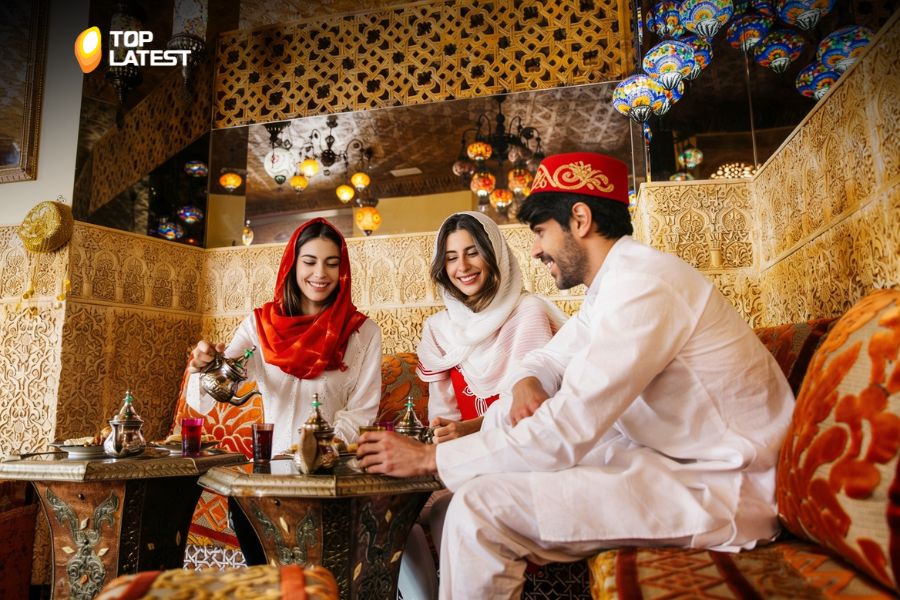
Beyond museums, culture in the UAE lives in daily rituals. The majlis, a traditional gathering space, is inscribed on the UNESCO list of Intangible Cultural Heritage. It shapes hospitality, community discussion, and social bonds across the country.
Falconry, also recognised by UNESCO, remains a source of national pride, with training centres and dedicated hospitals in Abu Dhabi and Dubai that welcome visitors. Emirati coffee, or gahwa, prepared with cardamom and served with dates, is often the first offering in any Emirati home or heritage venue.
Guided desert experiences with reputable operators, including camel rides, falconry displays, and traditional dinners, offer accessible ways to engage with these traditions without stepping outside cultural norms. Al Marmoom Heritage Festival in Dubai and the Sheikh Zayed Heritage Festival in Al Wathba near Abu Dhabi bring together saluki racing, henna artistry, souq stalls, and live poetry evenings, all of which give newcomers a natural entry point into Emirati customs.
Festivals and the Wider Cultural Calendar
The cultural calendar deepens the year-round experience. The Sharjah Biennial and Sharjah International Book Fair attract global audiences. Abu Dhabi Art and Abu Dhabi Festival showcase visual arts, classical music, and cross-cultural performance. Sikka Art Fair in Al Fahidi and Art Dubai at Madinat Jumeirah bring together regional and international galleries. During Ramadan, evening cultural programmes, iftar majlis events, and community gatherings offer a particularly warm introduction to Emirati life for new residents.
Practical Considerations for a Meaningful Visit
A few factors shape a smooth cultural experience. The cooler months from October to April are ideal for outdoor heritage sites and desert experiences. Modest dress is expected at mosques and traditional venues, and many museums offer free or discounted entry for residents and students. Booking guided tours through official platforms often adds context that self-guided visits miss. Many attractions have joined the Abu Dhabi Culture Pass and Dubai Culture app, which bundle entry to multiple institutions and highlight rotating exhibitions, workshops, and cultural evenings across the year. For readers considering a home in areas close to major cultural districts, our guide to Saadiyat Island living covers how the neighbourhood integrates museums, beaches, and residential life.
Bringing It Together
Cultural exploration across the UAE offers residents and visitors a deeper connection to the country’s story, from ancient oases and pearling ports to global museums and living traditions. Whether you have a single afternoon or a season of weekends, the seven emirates hold enough depth to reward repeat visits. Each visit tends to open new layers, whether that is a quiet corner of a heritage neighbourhood, a lesser-known museum in the northern emirates, or an evening majlis that turns strangers into familiar faces. To keep discovering neighbourhoods, lifestyle experiences, and community insights across the country, explore more on toplatest.ae or connect with local experts who can shape a cultural itinerary around your interests.
Sources
- Department of Culture and Tourism Abu Dhabi
- UNESCO World Heritage Centre
- Sharjah Government Media Bureau
- Dubai Culture and Arts Authority
- Sheikh Mohammed Centre for Cultural Understanding
Frequently Asked Questions
The most visited cultural attractions include the Louvre Abu Dhabi, Sheikh Zayed Grand Mosque, Qasr Al Watan, Museum of the Future, Al Fahidi Historical Neighbourhood, and the Heart of Sharjah. Each offers a distinct angle on Emirati identity, from global art dialogue and Islamic architecture to restored heritage quarters and future-focused exhibits. Al Ain, a UNESCO World Heritage Site, is also essential for visitors interested in the country’s oasis history and archaeological depth.
The cooler months from October to April offer the most comfortable conditions for outdoor heritage sites, desert experiences, and walking tours in restored districts. Museums remain open year-round with strong climate control, so summer visits work well for indoor attractions like the Louvre Abu Dhabi and Museum of the Future. Ramadan evenings bring a particularly rich cultural atmosphere, with iftar majlis gatherings, night markets, and community events across the emirates.
Modest attire is expected at mosques and many traditional venues. Women should cover shoulders, arms, and legs, and a headscarf is required at Sheikh Zayed Grand Mosque, where abayas are also provided free of charge. Men should wear long trousers and sleeved shirts. At heritage neighbourhoods and museums, standard modest clothing is comfortable and appropriate. Removing shoes before entering prayer halls and certain traditional homes is customary and clearly signposted for visitors.
Most UAE cultural attractions are designed with families in mind. Louvre Abu Dhabi, Museum of the Future, Etihad Museum, and Qasr Al Watan offer child-friendly guides, interactive exhibits, and family workshops. Al Fahidi Historical Neighbourhood and the Heart of Sharjah are safe, walkable, and full of small discoveries for children. Many museums provide stroller access, quiet rooms, and family ticket bundles. Guided desert and heritage village experiences also cater well to children of varying ages.
Residents can experience Emirati culture through open majlis programmes at the Sheikh Mohammed Centre for Cultural Understanding, community iftars during Ramadan, and heritage festivals held across the emirates. Falconry centres, camel racing events at Al Marmoom, and traditional dhow cruises along Dubai Creek offer hands-on immersion. Cultural cooking classes, Arabic language courses, and neighbourhood walking tours in Al Fahidi and the Heart of Sharjah help newcomers build genuine understanding of daily Emirati life and hospitality.