
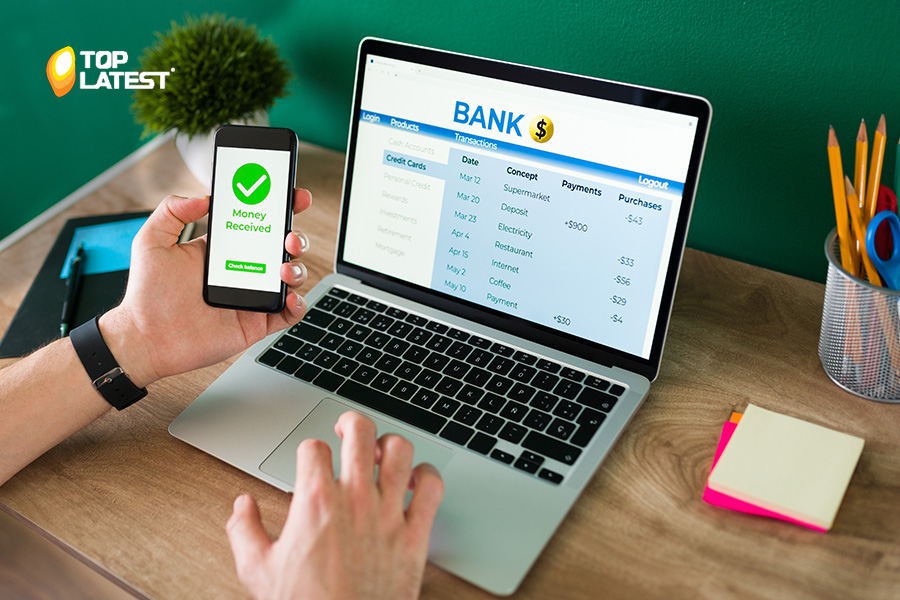
Everyday banking in the UAE looks different today than it did five years ago. A salary credit no longer sits in a single account waiting for a trip to the branch. It moves through a wallet, a split, a transfer home, a card top up, and a scheduled payment, often before the end of the same day. Fintech apps have become the quiet infrastructure behind how UAE residents manage money, from Dubai Marina to Al Ain.
For buyers, renters, and investors, understanding this layer matters. The way you pay a security deposit, settle a service charge, send rent to a landlord, or move funds between personal and investment accounts increasingly runs through fintech rails rather than cheques or counter visits. This guide walks through the fintech apps most widely used by UAE residents for everyday banking and what to keep in mind when choosing which to rely on.
How Fintech Became Central to UAE Everyday Banking
The UAE now hosts one of the most active fintech ecosystems in the region, supported by regulators including the Central Bank of the UAE, the Dubai Financial Services Authority, and the Financial Services Regulatory Authority at ADGM. According to the Central Bank of the UAE Financial Stability Report, digital payment volumes in the country have grown at a double digit pace year on year, with mobile and card based transactions now accounting for the majority of consumer payments.
Three forces have accelerated this. First, high smartphone penetration across resident segments. Second, a regulatory framework that formally licenses stored value facilities, digital banks, and payment service providers. Third, a resident base of over two hundred nationalities with constant remittance, multi currency, and cross border needs. The result is that fintech apps are no longer a convenience layer. They are often the primary interface residents use to send, spend, save, and receive money.
Fintech Apps Popular With UAE Residents for Everyday Banking
The apps below are grouped by what residents actually use them for. The most widely adopted names in each category appear first, reflecting current usage patterns across the UAE market.
1. Digital Wallets and Everyday Payments
Apple Pay and Samsung Pay
Contactless payments through Apple Pay and Samsung Pay are now standard at supermarkets, fuel stations, metro gates, and most UAE retailers. Residents link their existing debit or credit cards, and the device handles tap to pay through tokenised card details. For buyers viewing properties across Dubai and Abu Dhabi, the ability to tap for parking, coffee, or Salik top ups without carrying a physical wallet has become part of normal routine.
Google Pay
Google Pay has expanded its UAE footprint and now works with cards from most major local banks. Residents on Android devices use it for in store contactless payments, in app purchases, and online checkouts.
Careem Pay
Careem Pay sits inside the Careem super app and has moved beyond ride payments into peer to peer transfers, bill payments, and international remittances. Many UAE residents use it to split restaurant bills, pay back a flatmate for utilities, or send money home. Its tight integration with everyday use cases such as rides and food delivery keeps it in frequent rotation.
2. Digital First and Neobank Experiences
Liv.
Launched by Emirates NBD, Liv. is positioned as a lifestyle focused digital bank for younger residents. It offers an account, a card, savings pots, goal based tools, and in app budgeting without branch visits. For first time professional expats renting in areas like JVC, Al Barsha, or Reem Island, Liv. often serves as the primary salary account.
Mashreq Neo
Mashreq Neo offers fully digital onboarding and a feature set that includes multi currency accounts, instant transfers, and investment access. It is widely used by salaried professionals who want current account functionality without the overhead of a traditional branch relationship.
Wio
Wio has grown quickly as a UAE based digital bank serving both personal and small business customers. Its personal app offers accounts, savings spaces, and card controls, while Wio Business addresses freelancers and SME owners, a segment expanding alongside the UAE freelance permit framework and golden visa pathways.
ADCB Hayyak
ADCB Hayyak allows residents to open an account digitally and manage daily banking from the app. It appeals to residents who want a mainstream bank relationship with the convenience of mobile first onboarding.
3. Remittances and Cross Border Transfers
Wise
Wise is widely used by UAE residents for international transfers to markets including India, the Philippines, the United Kingdom, and Europe. Transparent fees, mid market exchange rates, and clear delivery timelines make it a core app for expats who send money home regularly or maintain accounts in their country of origin.
Western Union Digital and MoneyGram App
Both have strong resident awareness and extensive payout networks, which matters when the recipient prefers cash collection rather than a bank credit. The mobile apps allow residents to initiate transfers at any hour without visiting a counter.
Botim and e& money
Botim is widely used across the UAE for calls and messaging, and its payments feature has layered on remittances, utility payments, and card top ups through partnerships with licensed providers. e& money, operated under e& (formerly Etisalat), offers a licensed stored value wallet with remittance corridors to many major receiving countries, salary payouts for blue collar workers, and bill payment.
4. Buy Now, Pay Later and Everyday Credit
Tabby and Tamara
Tabby and Tamara are the two most recognised buy now, pay later apps in the UAE. Both let residents split retail purchases into interest free instalments at a broad network of online and offline merchants, from fashion and electronics to home furnishing. For residents furnishing a new rental in communities such as Dubai Hills Estate, Yas Island, or Al Reem Island, instalment flexibility has become a normal part of the purchase journey.
The Central Bank of the UAE has moved to bring buy now, pay later activity within its regulatory perimeter through its finance company licensing framework, which means residents using these services increasingly do so within a formal consumer protection regime.
5. Investment and Wealth Apps
Sarwa
Sarwa is a regulated digital investment platform offering globally diversified portfolios, trading in US equities, and savings features. It is popular with residents who want to put aside part of their salary into long term portfolios without opening a brokerage account abroad.
Baraka and StashAway MENA
Baraka focuses on commission free trading in US equities and has built a strong following among UAE based retail investors. StashAway MENA, regulated by the DFSA, offers algorithm driven portfolios across risk profiles. Both are used by residents who treat investing as a monthly habit rather than a one time event.
For readers thinking about where investment capital goes next, the TopLatest guide on smart investment moves in Dubai real estate offers context on how fintech enabled savings often feed into property deposits.
6. Government Linked and Everyday Utility Apps
DubaiPay and Abu Dhabi Pay
Government backed payment platforms allow residents to settle fines, utility bills, housing fees, and permits from a single app. These sit alongside private fintech apps in most residents’ routines and are often where rent related fees, Ejari related payments, and municipality charges are handled.
UAE PASS
UAE PASS is the national digital identity used across banking onboarding, government services, and increasingly across fintech apps for secure authentication. It has streamlined account opening and KYC for most of the apps covered above.
What to Keep in Mind When Choosing Fintech Apps
A few practical considerations help shape a smoother experience with these tools.
Licensing and consumer protection. The strongest signal of reliability is a clear licence from the Central Bank of the UAE, the DFSA, or the FSRA at ADGM. Licensed providers operate within defined complaint, redress, and data protection standards.
Fees and FX spreads. For remittance and multi currency apps, the headline fee is only part of the cost. The exchange rate spread often matters more. Reviewing a few transfers side by side reveals which app actually delivers better value for the corridors you use most.
Integration with your salary account. Many residents maintain a mainstream bank account for salary credit and visa linked requirements, then layer fintech apps for payments, savings, and transfers. A short review of how your chosen apps connect with your primary account helps avoid duplicated effort.
Property and lifestyle context. For buyers and renters, the practical question is whether an app meaningfully supports the recurring payments tied to living in the UAE, including rent, DEWA or SEWA bills, service charges, Salik, parking, and school fees. Apps that handle these smoothly reduce friction materially.
If you are weighing how fintech adoption shapes broader lifestyle choices, the TopLatest overview of cost of living in Dubai provides useful context on the categories where these apps are most relied upon.
How Fintech Apps Influence Property and Lifestyle Decisions
Fintech is no longer a parallel system to UAE banking. It is increasingly how daily financial life runs. For a buyer saving for a down payment, a renter managing monthly outflows, or an investor rebalancing between property and portfolio, the apps you choose shape how quickly money moves, how clearly it is tracked, and how efficiently it is converted across currencies.
Communities with younger resident bases, such as Jumeirah Village Circle, Dubai South, Al Reem Island, and Aljada in Sharjah, show particularly high fintech app usage, in part because new residents arrive already comfortable with digital first banking from their home markets. More established communities such as Downtown Dubai, Saadiyat Island, and Al Furjan show steady adoption across both digital banks and traditional bank apps.
For context on where residents in these areas are moving next, the TopLatest areas and communities guide offers a view of how neighbourhood selection often tracks with lifestyle preferences, including how residents prefer to pay and bank.
A Practical View on Everyday Fintech in the UAE
The strongest takeaway for UAE residents is that fintech has matured from a convenience into infrastructure. Choosing the right mix of apps is less about chasing novelty and more about matching tools to how you actually earn, spend, remit, and invest in the country. A salaried expat with regular remittances to India will build a different stack from a property investor splitting time between Dubai and Abu Dhabi, and both will build a different stack from a young professional starting a first job in Sharjah.
Exploring the ecosystem with that lens, licensing, fit with your salary account, fee transparency, and relevance to UAE daily life, is what separates a cluttered phone from a working financial toolkit. For readers evaluating how to align daily banking choices with longer term property, lifestyle, or investment goals in the UAE, explore more market insights on toplatest.ae or connect with a licensed financial professional for guidance specific to your profile.
Sources
- Central Bank of the UAE
- Dubai Financial Services Authority
- Financial Services Regulatory Authority, ADGM
- Telecommunications and Digital Government Regulatory Authority (TDRA)
- Dubai Land Department
Frequently Asked Questions
Apple Pay, Google Pay, Samsung Pay, and Careem Pay cover most daily contactless and in app payments across the UAE. Liv., Mashreq Neo, Wio, and ADCB Hayyak lead digital first banking. Wise, Botim, and e& money dominate remittances. Tabby and Tamara lead buy now, pay later. Sarwa, Baraka, and StashAway MENA are popular for investing. Residents typically use a combination rather than a single app, matched to salary, lifestyle, and transfer needs.
Yes, the leading fintech apps operate under licences from the Central Bank of the UAE, the Dubai Financial Services Authority, or the Financial Services Regulatory Authority at ADGM. These regimes cover payment services, stored value facilities, digital banks, and investment platforms. Licensed providers follow defined consumer protection, data privacy, and anti money laundering standards. Checking an app’s licence and regulator on its website or app store listing is the clearest signal of reliability for UAE residents.
Yes, remittance focused apps including Wise, Botim, e& money, Western Union Digital, and MoneyGram App let UAE residents transfer money internationally from their phones. These apps support major corridors to India, the Philippines, the United Kingdom, and many other markets. Residents compare fees, exchange rate spreads, and delivery timelines to pick the right app for each corridor. UAE PASS and emirates ID based verification make onboarding straightforward for most expats.
Yes, most UAE residents keep a mainstream bank account for salary credit and visa linked requirements, then layer fintech apps on top for daily payments, savings, investing, and remittances. Digital banks such as Liv., Mashreq Neo, and Wio can serve as primary accounts, while payment and wallet apps link to existing cards. This layered approach lets residents combine the stability of traditional banking with the flexibility and lower fees that fintech apps often provide.
Fintech apps streamline many recurring payments tied to UAE property, including DEWA and SEWA utility bills, Salik, service charges, parking, and school fees for family households. Government linked platforms such as DubaiPay and Abu Dhabi Pay handle housing fees, fines, and municipality charges. Digital bank apps and wallets support rent transfers, deposit payments, and standing instructions. The result is faster, more trackable payments across the property lifecycle, from move in to ongoing ownership or tenancy.